What is a 90 Degree Socket Elbow and Its Applications?
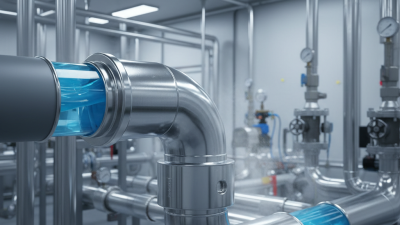
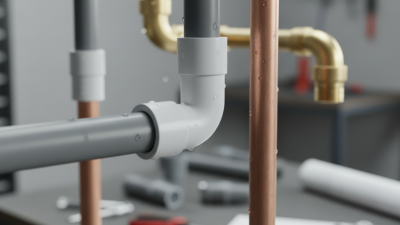
In the realm of piping and plumbing, a 90° Socket Elbow plays a crucial role. Its design allows for smooth direction changes in pipelines, enabling efficient fluid flow management. Industry expert Dr. Sarah Thompson notes, "The 90° Socket Elbow is essential for optimizing space in any piping system." This statement underscores the component's importance in various applications, from residential plumbing to industrial systems.
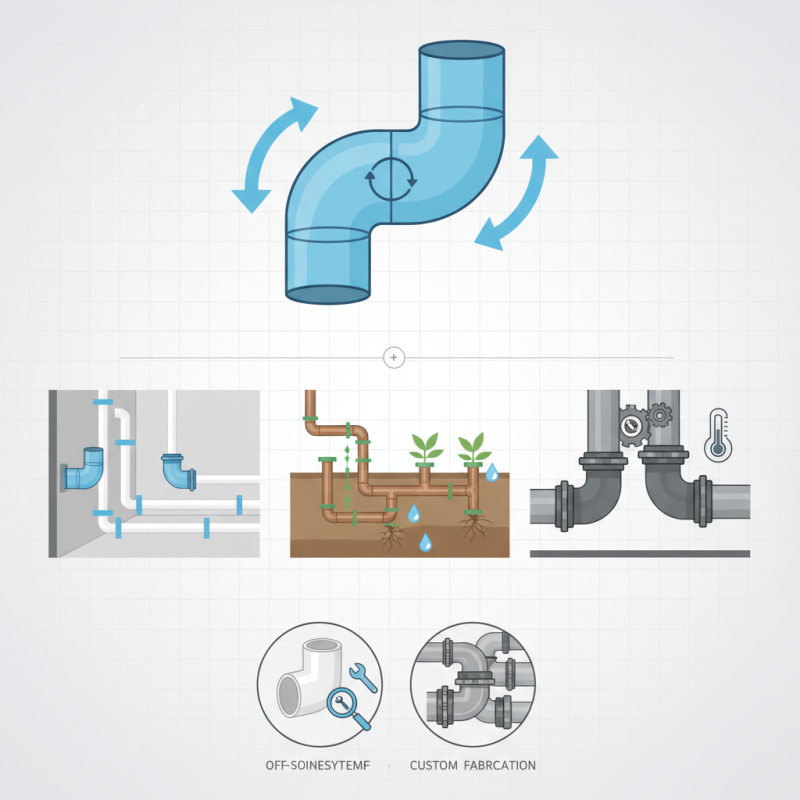
The 90° Socket Elbow is versatile. It is used in HVAC systems, drainage, and irrigation. These fittings help direct water or air where it is needed. However, choosing the right materials is vital. Not all elbows can withstand high pressure or temperature. Improper selection may lead to leaks or failures, causing costly repairs.
While many professionals rely on standard options, customization can enhance performance. Custom fittings can provide better fits in tight spaces. Yet, customization also demands careful planning and execution. Engineers must evaluate specific needs to avoid inefficiencies. Balancing standard fittings and custom solutions requires both experience and insight. Understanding the nuances of a 90° Socket Elbow is key to achieving reliable results in any project.
Definition and Overview of a 90 Degree Socket Elbow
A 90-degree socket elbow is a critical component in plumbing and piping systems. It facilitates a change in direction, allowing pipes to connect at right angles. Typically made from materials like PVC, CPVC, or metal, these fittings cater to various applications. According to recent industry reports, demand for plumbing fittings, including socket elbows, is projected to grow by approximately 5% annually through 2025.
The design of a 90-degree socket elbow ensures smooth flow and reduces turbulence in fluid transfer. This is pivotal in both residential and industrial applications. In residential settings, these fittings are commonly used in drainage systems and water supply lines. Meanwhile, industries rely on such components for more complex systems involving chemicals or other hazardous materials. However, installation errors can lead to leaks, impacting system integrity and efficiency. Regular inspections are essential for optimizing the lifespan of a 90-degree socket elbow, as wear and tear can compromise performance.
Proper usage of a 90-degree socket elbow requires specific knowledge about pressure ratings and material compatibility. Not all situations warrant a 90-degree angle; sometimes, a gradual bend may suffice. While these fittings are reliable, installers must remain vigilant about their configurations to minimize issues. Misalignment can cause significant problems, even with high-quality fittings. Regular training and updated knowledge are vital to address potential shortcomings in installation practices.
Applications of a 90 Degree Socket Elbow
Key Features and Specifications of 90 Degree Socket Elbows
A 90-degree socket elbow is a crucial fitting in piping systems. It allows for a sharp change in direction, enabling fluid flow without significant resistance. In industrial applications, it is often essential for ensuring smooth transitions and maintaining pressure.
Key features of the 90-degree socket elbow include its durability and resistance to various chemicals. Most are made from materials like PVC, CPVC, or metal alloys. According to industry sources, socket elbows can withstand pressures up to 150 PSI, depending on the material.
These fittings come in various sizes, catering to different pipe diameters. Proper sizing is vital because poorly fitting elbows can lead to leaks and other issues.
Additionally, the installation of 90-degree socket elbows requires precision. Misalignment during installation may cause excessive wear over time. It is crucial for technicians to double-check measurements. Research shows that improper assembly can lead to up to a 30% reduction in system efficiency. Awareness of these details contributes to the reliability of the entire piping system.
Common Materials Used in 90 Degree Socket Elbow Manufacturing
In the world of plumbing and piping, 90-degree socket elbows are crucial components. They allow pipes to change direction smoothly. These fittings are often used in residential and industrial applications for efficient fluid transport. When it comes to manufacturing, various materials are employed to ensure durability and performance.
Commonly used materials for 90-degree socket elbows include PVC, CPVC, and metal alloys. PVC is lightweight and resistant to corrosion, making it ideal for water systems. CPVC offers higher thermal resistance, suitable for hot water applications. On the metal side, stainless steel elbows are popular for their strength and longevity, especially in industrial settings. However, there are challenges. Metal can corrode under certain conditions, while plastic can warp if exposed to high temperatures.
Manufacturers are continuously exploring improvements, addressing these weaknesses. The choice of material often affects installation methods, maintenance, and overall system efficiency. While each material has its place, the wrong selection can lead to costly repairs. Understanding these factors is essential for anyone working with 90-degree socket elbows.
Applications in Plumbing and HVAC Systems
In plumbing and HVAC systems, a 90-degree socket elbow plays a vital role. This fitting allows for smooth directional changes in piping, facilitating efficient flow. According to industry reports, these elbows contribute significantly to reducing pressure drops in systems. A reduction of just 4-5 psi can enhance system efficiency, maximizing performance.
The practical applications are numerous. In plumbing, 90-degree elbows help connect horizontal and vertical pipes seamlessly. This is crucial in both residential and commercial installations. In HVAC systems, they help reroute air ducting with minimal turbulence, ensuring optimal airflow. Data indicates that using high-quality elbow fittings can improve system longevity by up to 20%.
However, not all installations are perfect. Some may overlook the importance of proper sizing when selecting these fittings. An undersized elbow can lead to increased friction. This directly affects the energy efficiency of a system. As professionals often note, even a small miscalculation can result in larger problems down the line. Attention to detail in these applications is essential for success.
What is a 90 Degree Socket Elbow and Its Applications?
| Dimension |
Material |
Application |
Installation Location |
Temperature Resistance |
| 1/2 inch |
PVC |
Drainage Systems |
Residential |
-15°C to 60°C |
| 3/4 inch |
Copper |
Supply Lines |
Commercial |
-40°C to 150°C |
| 1 inch |
Galvanized Steel |
HVAC Systems |
Industrial |
-20°C to 80°C |
| 2 inch |
ABS |
Ventilation |
Residential |
-15°C to 60°C |
Installation and Maintenance Best Practices for 90 Degree Socket Elbows
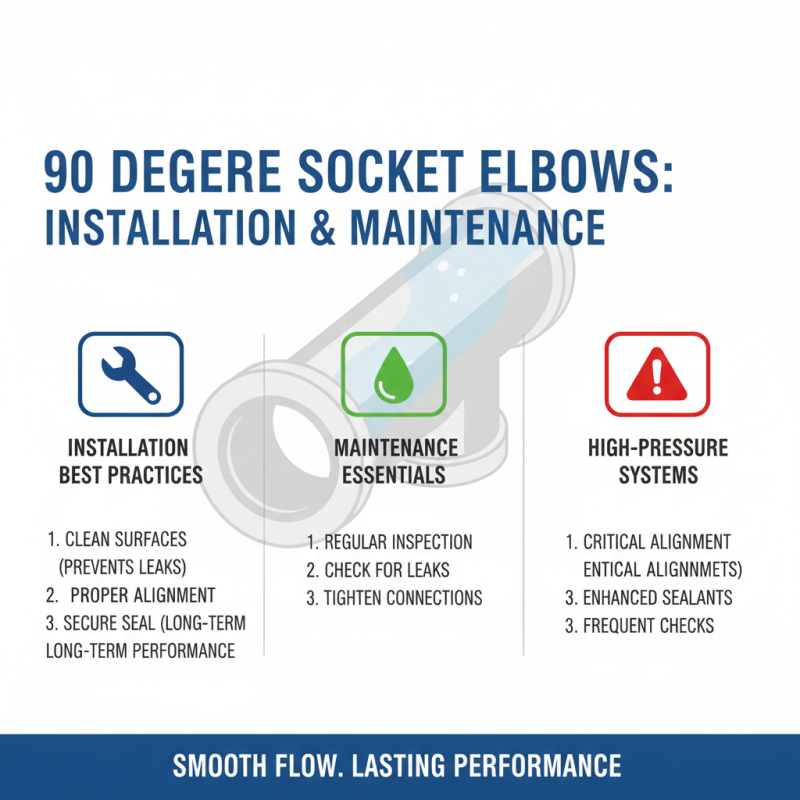
When installing a 90-degree socket elbow, attention to detail is crucial. Ensure that all surfaces are clean before fitting. Loose debris can lead to leaks. Use proper alignment to avoid stress on pipe joints. This is especially important in high-pressure systems. A secure seal guarantees long-term performance.
Regular maintenance is key to the longevity of a 90-degree socket elbow. Inspect the fittings regularly for signs of wear or corrosion. Sometimes, even the best materials can fail. Tighten any loose connections to maintain a good seal. Consider using a torque wrench for precise measurements. This will prevent overtightening, which can cause damage.
Also, remain vigilant for water damage around the elbow. Moisture accumulation can indicate a hidden issue. If leaks are detected, immediate action is necessary. Replacing a faulty elbow promptly can save time and resources in the long run. Don’t overlook these small details; they can make a big difference in system reliability.