Top 10 Benefits of Using Stainless Steel Reducing Tee in Plumbing Systems?
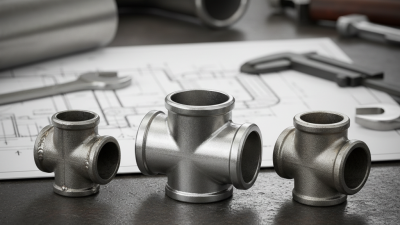
Plumbing systems are essential for modern infrastructure, and the materials used greatly impact their efficiency. Among these materials, the "Stainless Steel Reducing Tee" stands out for its unique advantages. According to the Stainless Steel Fabricators Association, stainless steel accounts for approximately 65% of commercial plumbing fittings due to its durability and resistance to corrosion. This makes it a preferred choice in various applications.
Using a Stainless Steel Reducing Tee offers numerous benefits. Its design allows for efficient diversion of water flow, which helps optimize plumbing layouts. A study from the American Society of Plumbing Engineers highlights that using quality fittings, like stainless steel tees, can reduce maintenance costs by up to 30%. However, awareness of potential weaknesses in material selection is crucial. Over time, some lower-grade stainless steel can suffer from pitting, exposing vulnerabilities.
Investing in a Stainless Steel Reducing Tee not only enhances longevity but also promotes sustainability. With increasing environmental concerns, choosing robust materials is vital. While some may question the higher upfront costs, the long-term savings are significant. Understanding both the pros and cons can guide smarter plumbing decisions.
Benefits of Corrosion Resistance in Stainless Steel Reducing Tees
Stainless steel reducing tees are essential in plumbing systems. Their high corrosion resistance significantly enhances the lifespan of these components. Unlike many other materials, stainless steel can withstand harsh environments without degrading. This feature is vital in areas prone to moisture and chemicals.
For example, in coastal regions, plumbing systems face high humidity and salt exposure. Traditional materials may corrode quickly under these conditions. In contrast, stainless steel remains robust, reducing the need for frequent replacements. This resilience also contributes to fewer leaks, which can cause extensive damage over time.
However, not all stainless steel is created equal. The alloy composition can impact its resistance to corrosion. It's crucial to choose the right type for specific applications. Regular maintenance and timely inspections still play a role in ensuring long-term performance. Investing in quality reducing tees is important, but understanding their limitations is equally vital.
Enhanced Durability of Plumbing Systems with Stainless Steel Components
Stainless steel reducing tees have become a game-changer in plumbing systems. Their enhanced durability is one of the core benefits driving their popularity. Studies show that stainless steel, with its resistance to corrosion and rust, can last up to 100 years in harsh conditions. This longevity reduces replacement frequency, lowering maintenance costs for property owners.
In addition, stainless steel components withstand extreme temperatures and pressures well. Research indicates that they maintain structural integrity under stress, making them reliable for high-demand applications. This durability minimizes leaks and system failures, which can be costly to repair. However, it's essential to acknowledge that while the upfront cost of stainless steel is higher, the long-term savings can outweigh initial investments.
Despite these advantages, not all installations utilize stainless steel. Some systems still rely on traditional materials, which are often prone to corrosion. This raises questions about effectiveness and long-term performance. As the industry evolves, it’s crucial to weigh the benefits of using stainless steel against alternative materials. The focus should be on creating robust plumbing systems that last and perform well over time.
Improved Flow Efficiency through Stainless Steel Reducing Tees
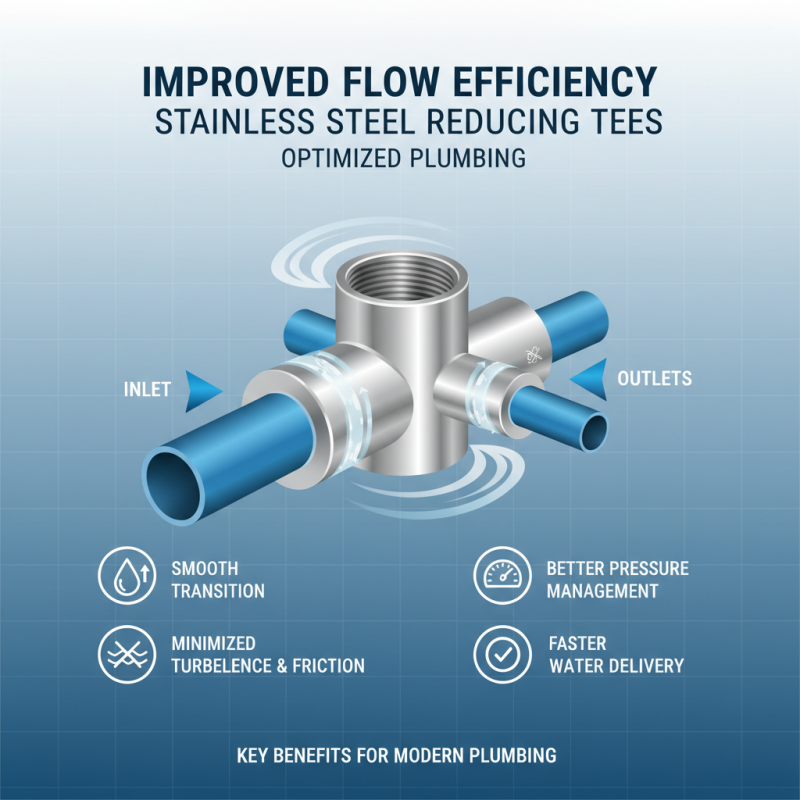
Stainless steel reducing tees are essential in modern plumbing systems. They enhance flow efficiency in ways that are hard to overlook. These fittings facilitate smooth transitions between pipes of different sizes. As water flows through, the design minimizes turbulence and friction. This results in better pressure management, allowing water to reach its destination more quickly.
Moreover, stainless steel is renowned for its durability and resistance to corrosion. Unlike plastic, it withstands harsh conditions without breaking down. This longevity means fewer repairs and replacements. However, some may overlook the initial cost of these fittings. While they can be more expensive upfront, investing in stainless steel can save money in the long run. It's an important consideration for anyone planning a plumbing project.
It's also crucial to recognize that not all plumbing systems require the same materials. Some scenarios may benefit from alternative options. Choosing the right fitting depends on the specific needs of each project. Understanding these variables can lead to more efficient plumbing solutions. It's vital to weigh the pros and cons before making a final decision.
Simplified Installation Process of Stainless Steel Reducing Tees
Installing stainless steel reducing tees can be straightforward with the right approach. These fittings offer a reliable connection, which simplifies the plumbing process. The lightweight construction makes handling easy, reducing physical strain. When selecting a reducing tee, choose sizes that fit your system well. This ensures a smooth flow and minimizes potential leaks.
**Tip:** Before installation, thoroughly clean the pipes. Any debris can lead to a poor seal. Take time to measure connections accurately. Ensuring precise cuts helps maintain alignment and stability.
Handling stainless steel requires some care. The material is prone to scratches, which can affect its integrity. Always use proper tools to avoid damage. For joints, applying a sealant may help with tight fittings. This step can enhance durability over time.
**Tip:** Keep your workspace organized. A clutter-free area boosts efficiency and safety. Consider practicing on scrap materials first. This allows you to refine your skill without pressure. Remember, every detail matters in plumbing installations.
Cost-Effectiveness Over Time with Stainless Steel in Plumbing Applications
Choosing stainless steel reducing tees for plumbing systems can lead to significant cost-effectiveness over time. These fittings resist corrosion, unlike traditional materials. This resistance means fewer repairs and replacements, saving you money in the long run. Stainless steel’s longevity often makes it the more economical option.
Maintenance is crucial when considering plumbing materials. While stainless steel can withstand harsh conditions, regular checks are still necessary. Small issues can escalate if overlooked. The initial investment may be higher than plastic or copper alternatives. However, the total cost of ownership remains lower over years of use.
Investing in stainless steel components also ensures a more reliable plumbing system. The strength of stainless steel minimizes leaks and failures. This reliability contributes to peace of mind, knowing your plumbing is in good hands. Users often appreciate these benefits after years of service. Careful planning and material choice can strengthen your plumbing infrastructure significantly.