China Top 10 90 Degree Socket Elbow Uses and Benefits Explained?
The 90° Socket Elbow is a crucial component in various piping systems, offering both functional and practical advantages. According to a report from the Global Industry Analysts, the demand for efficient plumbing solutions is expected to rise significantly, particularly in emerging markets. In industrial settings, the use of 90° Socket Elbows facilitates seamless flow transitions, reducing the risk of pressure losses. This promotes efficiency in fluid transport systems.
However, not all 90° Socket Elbows are created equal. Poor-quality fittings can lead to leaks and costly repairs. A recent study indicated that over 30% of plumbing failures stem from inadequate joint integrity. This highlights the importance of selecting high-quality materials to ensure reliability. The correct installation of these fittings also plays a vital role in optimizing performance.
Considering the diverse applications in construction, manufacturing, and home plumbing, effectively utilizing 90° Socket Elbows can enhance system functionality while minimizing downtime. As industry standards evolve, it is essential to stay informed about the latest innovations and best practices in the use of these components. Investing time in research can lead to better decision-making in the long run.
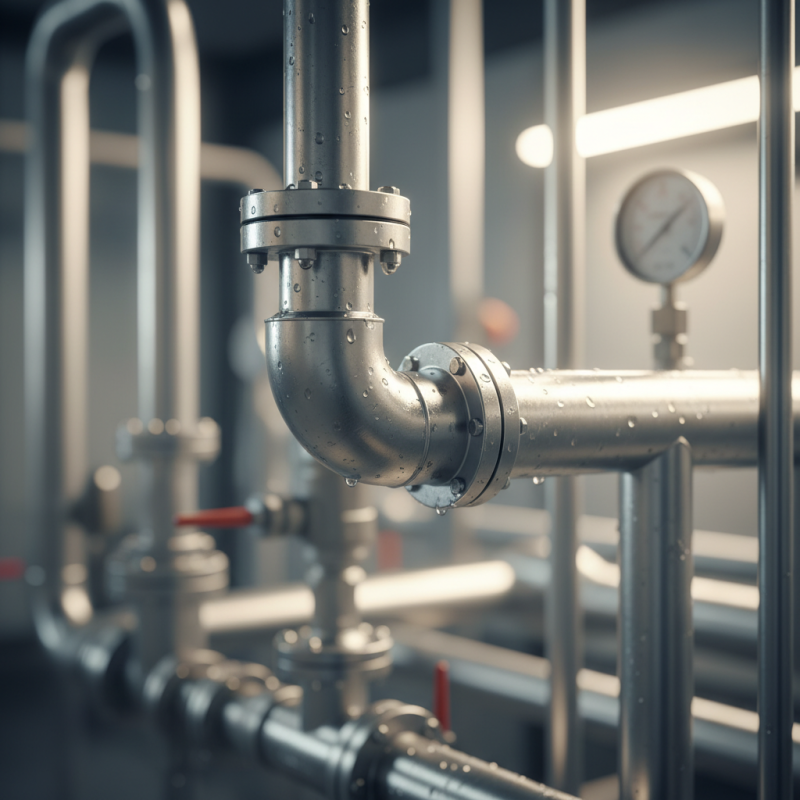
Overview of 90 Degree Socket Elbows in China
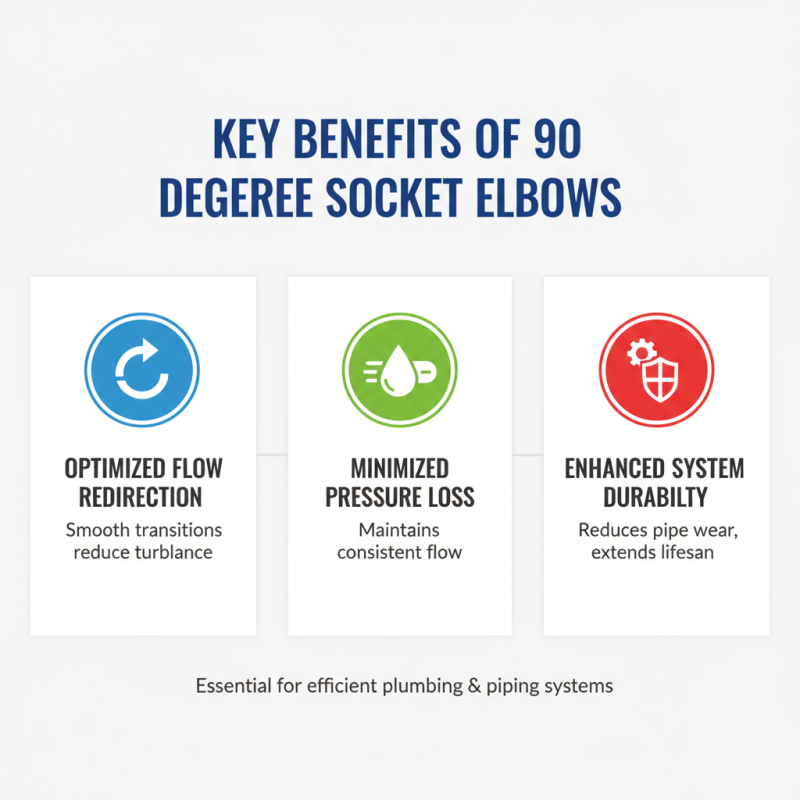
In China, 90 degree socket elbows play a crucial role in piping systems. These fittings are essential for directing the flow of liquids and gases. Their design allows for smooth transitions, minimizing pressure loss. Research indicates that efficient flow management can reduce operational costs by up to 20%.
Industry reports highlight a growing demand for durable socket elbows. Factors such as urbanization and industrial growth drive this trend. Many sectors, including construction and manufacturing, rely heavily on these components. In 2021, the market size for pipe fittings, including socket elbows, reached approximately $15 billion, indicating robust growth.
However, the quality of 90 degree socket elbows can vary significantly. Some manufacturers prioritize cost-cutting over durability, which might lead to early failures. Choosing the right supplier is vital. Engineers must assess material specifications and manufacturing processes carefully. Investing in quality fittings pays off in the long run.
Common Applications of 90 Degree Socket Elbows
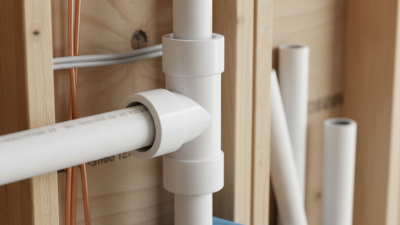
90-degree socket elbows play a crucial role in various piping systems. These fittings facilitate changes in the direction of flow with minimal resistance. They are commonly used in both residential and industrial applications. For instance, in HVAC systems, these elbows enable efficient airflow management. A report from the Global Pipe Fittings Market indicates that the demand for such fittings is projected to grow by 5.7% annually through 2026.
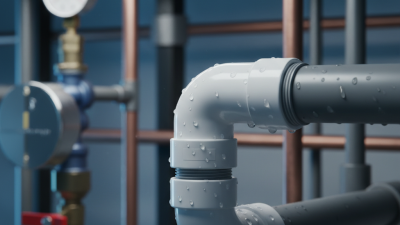
In plumbing, 90-degree socket elbows help navigate complex layouts. They allow for effective connections between pipes, ensuring leak-free systems. This reduces the risk of water damage and enhances overall system longevity. Notably, the correct installation is essential. A poorly placed elbow can lead to increased pressure and potential failures. Data suggests that improper fittings contribute to nearly 20% of plumbing issues.
Chemical and agricultural sectors also benefit significantly from these fittings. They ensure proper material flow, critical for chemical reactions and irrigation systems. Notably, a specific type of material is recommended based on fluid compatibility. This consideration is vital for maintaining system integrity. Risks arise if the wrong material is chosen, leading to costly repairs. Therefore, understanding the correct applications is crucial for engineers and contractors.
Material Types Used in 90 Degree Socket Elbows
When it comes to 90-degree socket elbows, material choice plays a crucial role. Commonly used materials include PVC, copper, and stainless steel. PVC is favored for its durability and resistance to corrosion, making it ideal for residential plumbing systems. A report from the International Plastic Pipe Association noted that PVC pipes account for over 50% of the plastic pipe market. This popularity underlines the reliability of PVC in various applications.
Copper, on the other hand, is known for its strength and excellent thermal conductivity. Its ability to resist bacteria makes it an attractive option for water supply systems. According to a study published by the Copper Development Association, copper fittings have a positive life cycle analysis, reflecting their long-term benefits in installations. However, some challenges persist. Copper can be more expensive and susceptible to theft, which can be a concern in some areas.
Stainless steel offers exceptional resistance to corrosion and high temperatures, making it suitable for industrial applications. However, it comes with a higher price tag compared to PVC and copper. Some users may hesitate to choose stainless steel due to its initial cost. Balancing the performance of each material against budget constraints is vital for making informed choices. Understanding these factors helps users optimize their systems effectively.
Maintenance Tips for 90 Degree Socket Elbows
The maintenance of 90-degree socket elbows is crucial for ensuring their optimal performance in various piping systems. Regular inspection is vital. According to industry reports, nearly 30% of leaks in plumbing systems can be traced back to poor maintenance of fittings, including elbows. These fittings often experience stress due to pressure changes. Inspections can help identify wear or corrosion early on.
Cleaning the connections regularly is also important. Build-up of debris can hinder flow. A study highlighted that a clean elbow can improve flow efficiency by up to 15%. It’s recommended to use a soft brush or cloth instead of harsh chemicals. This helps maintain the integrity of the materials.
Additionally, check for signs of flexibility or misalignment. Intense pressure can cause deformation over time. If misalignment is found, it may lead to further issues. Addressing these concerns promptly can prolong the lifespan of the fittings significantly.