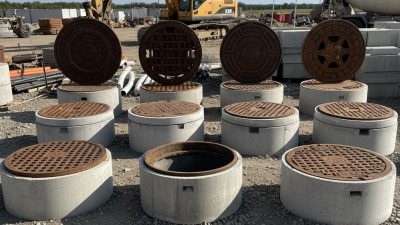
How to Choose Quick-Opening Manholes for Your Projects?
Choosing the right quick-opening manholes for your projects can be a challenging task. Industry expert Mike Anderson, who has over two decades of experience, emphasizes, "Selecting the right manhole is crucial for safe and efficient access." Quick-opening manholes are designed to offer rapid access to underground systems. This access is vital for maintenance and emergency situations.
The variety of options available often creates confusion. It's essential to consider factors such as size, materials, and opening mechanisms. Each project has unique demands that should guide your decision. For instance, a larger project might require more robust designs to ensure safety and durability. Moreover, installation and maintenance costs can vary significantly based on your choice of quick-opening manholes.
While many may overlook details like weight and mobility, they play an important role. Heavy manholes can hinder operations, while lighter alternatives may be easier to handle. Still, dependability cannot be sacrificed for convenience. Each project demands careful consideration and reflection on your specific needs. Therefore, thorough research and expert advice are indispensable when making your selection.
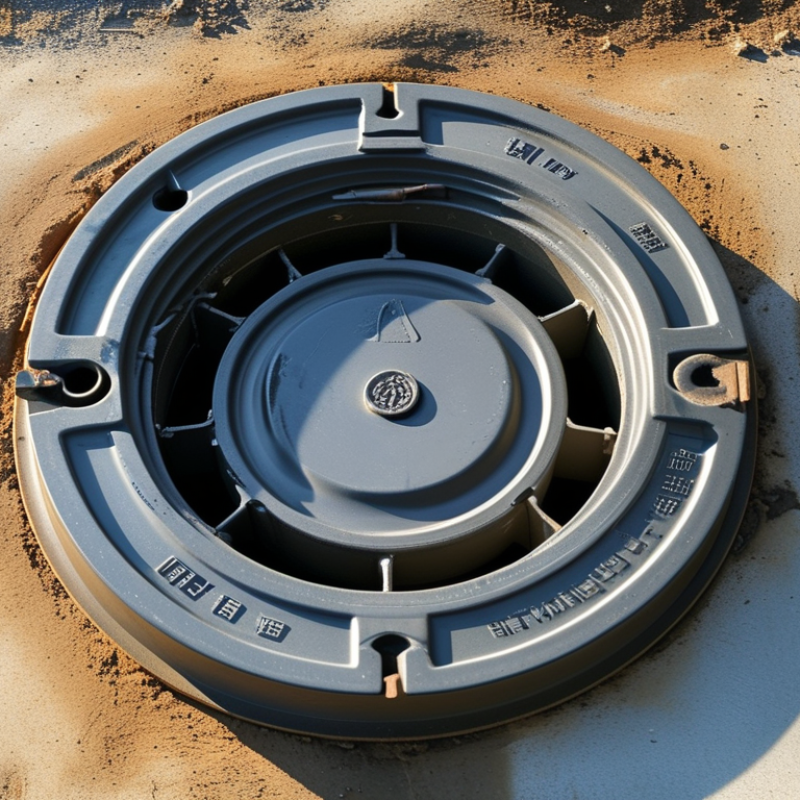
Overview of Quick-Opening Manholes and Their Importance in Projects
Quick-opening manholes have become essential in various construction and maintenance projects. Their primary function is to provide easy access to underground infrastructure. This instant accessibility can save time and effort during inspections or repairs. Traditional manholes often require more effort to open, leading to delays that can impact project timelines.
The importance of quick-opening manholes lies in their enhanced efficiency. For example, in urban areas, where traffic disruption must be minimized, these manholes allow for swift operations. They can be opened quickly, allowing technicians to perform their work without causing significant disturbances. Additionally, the design often incorporates features that ensure safety during use.
However, not all quick-opening manholes are the same. Choosing the right one involves considering factors like material, size, and installation process. While they offer many benefits, they also require an upfront investment. Project managers should weigh these factors carefully. It’s vital to select manholes that meet project needs while ensuring long-term reliability. Concerns over maintenance and durability can sometimes arise, emphasizing the importance of thorough research before making a selection.
Key Factors to Consider When Selecting Quick-Opening Manholes
Choosing a quick-opening manhole for your project involves careful consideration of several key factors. First, assess the materials used in the manhole construction. High-quality materials can enhance durability. Many industry reports indicate that concrete and thermoplastic polymers are the most preferred options. They can withstand heavy loads while preventing corrosion.
Next, understand the operational requirements of your project. Ensure that the manhole design allows for easy access and efficient maintenance. Research shows that manholes designed with ergonomic features reduce worker fatigue. Consider the standard sizes available. Many projects benefit from custom sizes to fit unique site conditions.
Finally, evaluate the installation process. Quick-opening manholes should not complicate the workflow. Industry studies highlight the importance of ease of installation, which can save significant labor costs. A complex setup might lead to delays and increased expenses. Balancing these factors can lead to more efficient project execution.
Material Choices for Quick-Opening Manholes: Strength and Durability Analysis
When selecting quick-opening manholes, material choices significantly influence strength and durability. Common options include steel, fiberglass, and concrete. Each material brings unique properties that can impact the lifespan and functionality of the manhole.
Steel manholes offer high strength and resistance to impact. However, they can corrode over time, especially in harsh environments. On the other hand, fiberglass is lightweight and resistant to chemicals, but it may not withstand heavy loads as effectively as steel. A recent industry report notes that about 30% of manhole failures are due to material degradation. Concrete may provide durability but can crack under constant pressure.
Here are some tips for selecting the right material. Consider the environment where the manhole will be installed. Evaluate load requirements to ensure structural integrity. Also, think about maintenance costs over the lifespan of the manhole.
Durability is not solely about material. Design aspects, such as seals and joints, play vital roles. Choose a reliable design that minimizes potential weak points. Actively reviewing performance data can guide better decisions. Always prioritize a balance of cost, safety, and longevity.
Cost-Benefit Analysis of Quick-Opening Manholes in Project Planning
Quick-opening manholes can enhance project efficiency in various sectors such as construction and utilities. A recent industry report indicates that using these manholes can reduce access time by up to 50%. This improvement can lead to significant labor cost savings. Moreover, quick-opening designs reduce the risk of workplace injuries during maintenance tasks. This aspect is crucial because workplace accidents can severely impact project timelines and increase costs.
The initial investment in quick-opening manholes may seem high, but a cost-benefit analysis shows they pay off over time. Some studies suggest that projects experience a potential 30% decrease in operating costs when these manholes are utilized. This figure stems from lowered labor requirements and enhanced operational efficiency.
However, the cost savings are not guaranteed. Factors such as installation complexity and maintenance practices can influence outcomes. Projects must assess site-specific conditions before making decisions. Each project presents unique challenges, including location and environmental risks. Thus, comprehensive planning and continuous evaluation are essential to maximize the benefits of quick-opening manholes.
How to Choose Quick-Opening Manholes for Your Projects? - Cost-Benefit Analysis of Quick-Opening Manholes in Project Planning
| Dimension |
Quick-Opening Manholes |
Traditional Manholes |
| Initial Cost ($) |
1200 |
800 |
| Installation Time (hours) |
4 |
6 |
| Maintenance Frequency (per year) |
1 |
3 |
| Average Lifespan (years) |
25 |
20 |
| Average Response Time (minutes) |
5 |
15 |
| Safety Rating (1-10) |
9 |
6 |
Safety Standards and Compliance for Quick-Opening Manholes Usage
When selecting quick-opening manholes, safety standards and compliance should be a top priority. According to a report by the American Society of Civil Engineers, improper manhole design can lead to serious incidents, resulting in injuries or fatalities. Ensuring compliance with OSHA and relevant local regulations is essential. These standards help in minimizing risks associated with underground access and maintenance.
Choosing manholes that meet safety criteria is crucial. Verify that they comply with ASTM specifications. This ensures they possess the strength to handle load demands, especially in high-traffic areas. Industry research shows that manholes built to resist environmental impacts tend to last longer. Look for manholes engineered with high-quality materials. This can also reduce maintenance costs over time.
Tips: Always conduct a risk assessment before installation. Evaluate the specific site conditions thoroughly. Additionally, consider the accessibility of manholes for maintenance. An overlooked aspect can lead to significant costs and delays. Regular training for maintenance personnel can further enhance safety compliance. Remember, neglecting safety can result in long-term consequences for your projects.
Comparative Analysis of Quick-Opening Manhole Features