How to Choose the Right Stainless Steel Straight Tee for Your Project?
Choosing the right Stainless Steel Straight Tee for your project can be a daunting task. The market is filled with various options, and making an informed choice is crucial. Industry expert Dr. Elaine Burgess emphasizes, "The key to a successful project is selecting the right materials from the start." Her insights highlight the importance of proper selection.
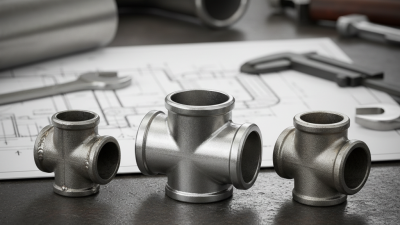
Stainless Steel Straight Tees serve a unique purpose in piping systems. They are essential for connecting different pipe sections at a straight angle. The right tee can enhance flow and improve system efficiency. However, not all Stainless Steel Straight Tees are created equal. The wrong choice can lead to costly repairs and project delays.
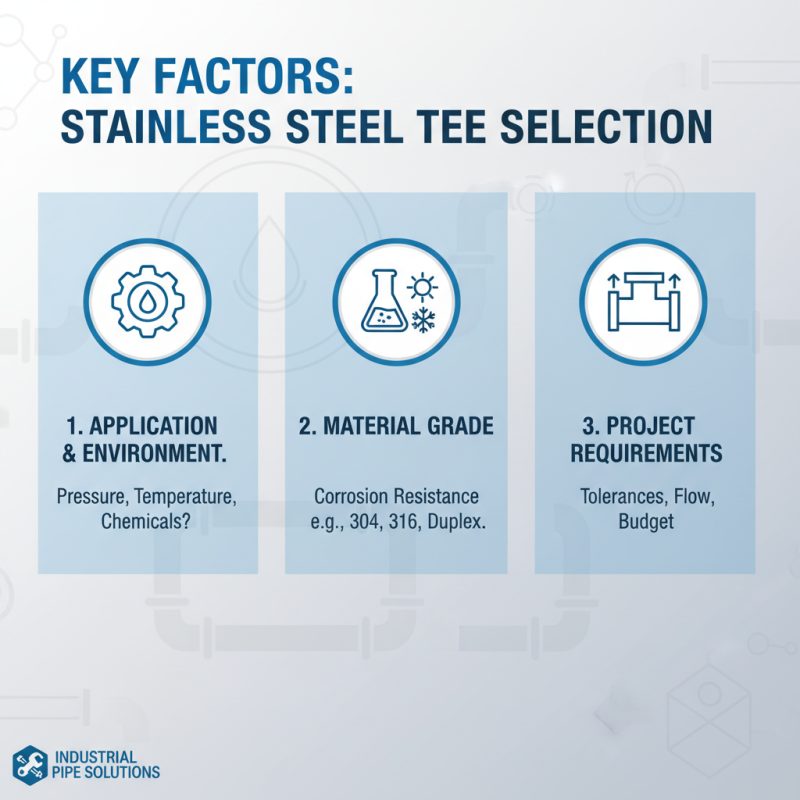
Understanding your project’s requirements is vital. Factors like pressure ratings, material grade, and corrosion resistance must be considered. Often, people overlook these details. They may choose based solely on prices or availability. In the end, those decisions can lead to frustration. Careful evaluation and consultation with experts can guide you to the best Stainless Steel Straight Tee for your specific needs.
Understanding Different Types of Stainless Steel Straight Tees
When selecting a stainless steel straight tee, understanding its types can make a significant difference. Popular options include welded and seamless tees.
Welded tees are made from two flat stainless steel plates, combined through welding. They can face issues with corrosion if the welds aren't properly treated. Seamless tees, on the other hand, are created from a single piece of steel. This provides higher strength and durability but can be more costly.
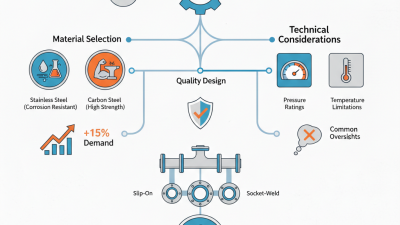
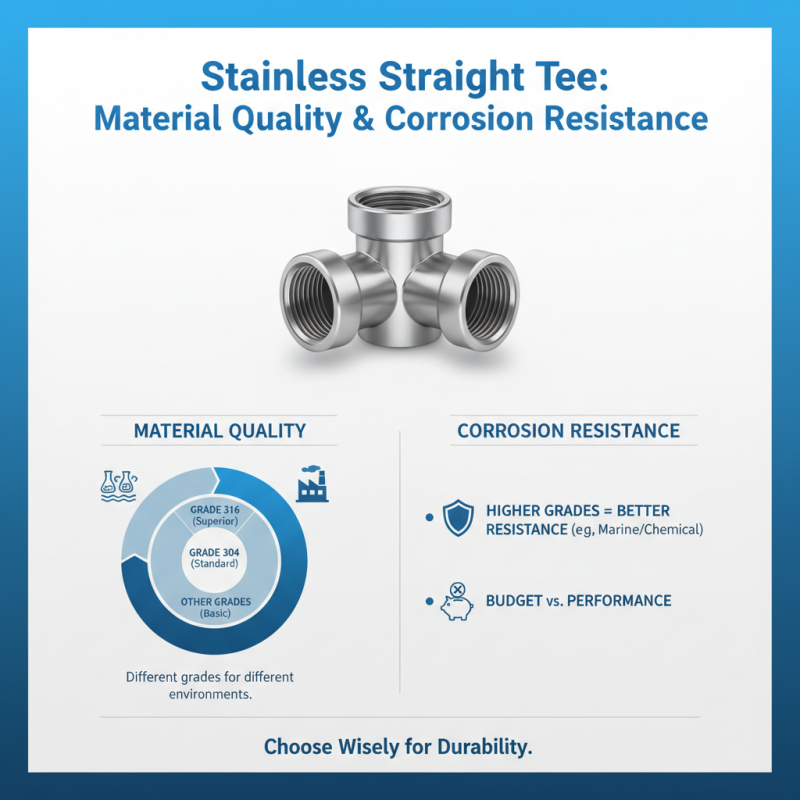
Material specifications are also crucial. The most common grade used is 304 stainless steel, known for its good corrosion resistance. However, in highly corrosive environments, 316 stainless steel is preferred due to its added molybdenum, which enhances resistance. Remember, choosing the right grade can prevent costly repairs in the long run.
Every project has unique requirements. The size and application of the tee matter. A small plumbing system may require different specifications than a large industrial setup. Misjudging this can lead to leaks or system failure. While it’s easy to rush the selection process, taking the time to understand the options can save headaches later. Always consult an expert if unsure.
Key Factors to Consider When Selecting a Stainless Steel Tee
When choosing a stainless steel straight tee, several key factors come into play. The first is the specific application. Different projects demand varying pressure tolerances and corrosion resistance. Consider where the tee will be used. Will it face extreme temperatures or harsh chemicals? Such questions guide you toward the right grade of stainless steel.
Another essential factor is the size and dimensions. Ensure that the tee fits seamlessly within the piping system. Measure the diameter and wall thickness of your pipes. Ignoring these details can lead to significant leaks or structural failures. Also, think about the installation process. Some tees might require specific fittings or tools, adding complexity to your project.
Lastly, consider the manufacturing standards. High-quality tees usually comply with rigorous industry norms. Look for certifications or specifications that guarantee reliability. However, not all products are perfect. Minor defects can occur during production. Always inspect your materials before finalizing your selection. Balancing these elements can be challenging, yet it’s crucial for the success of your project.
Assessing Material Quality and Corrosion Resistance
When selecting a stainless steel straight tee, assessing material quality and corrosion resistance is crucial. Stainless steel comes in various grades. Each grade has distinct properties that affect its performance in different environments. Higher grades, such as 316, offer superior corrosion resistance, especially in marine or chemical applications. However, these options can be pricier, and budget constraints may limit choices.
It's essential to evaluate the environmental factors your project will face. For instance, exposure to saltwater or harsh chemicals can quickly degrade lower-quality stainless steel. Testing for resistance in such conditions is vital. Pay attention to the manufacturing process as well. A poorly made tee may look good on the surface but could contain hidden flaws that lead to premature failure.
While many recommend buying based on reputation, it's wise to research specifics. Certifications and material sheets can provide insight into quality. Asking for recommendations is helpful, but personal experiences vary. Remember, despite good reviews, a part may not fit your specific needs. It’s a challenging task to balance cost and quality effectively. Understanding the material's properties will lead to more informed decisions.
Sizing and Compatibility with Piping Systems
When selecting the right stainless steel straight tee for your project, sizing and compatibility with existing piping systems are critical. A recent industry report indicates that improperly sized fittings can lead to a 30% increase in installation costs. Accurate measurements are essential. Ensure the diameter matches your piping system's specifications. Common sizes range from ½ inch to 12 inches, making it crucial to refer to precise piping dimensions.
Compatibility extends beyond diameter. Different stainless steel grades, like 304 and 316, possess unique properties that suit various applications. For instance, grade 316 has higher corrosion resistance, making it ideal for marine environments. An ASTM report highlights that stainless steel fittings can lose performance when mismatched with certain piping materials. This can result in leaks or system failures, leading to costly repairs.
In real-world applications, many professionals have encountered problems due to overlooking compatibility. A common mistake is assuming that all stainless steel materials work together. Testing for pressure ratings and thermal expansion is also vital. When in doubt, consulting with experienced engineers or industry standards can prevent future complications and enhance system reliability.
Applications and Industry Standards for Stainless Steel Tees
When selecting stainless steel tees, understanding their applications is crucial. Stainless steel tees are commonly used in various industries such as plumbing, automotive, and food processing. Their resistance to corrosion makes them ideal for transporting fluids and gases. In high-pressure environments, choosing the right tee ensures system reliability and safety.
Industry standards play a vital role in the selection process. Organizations like ASTM and ASME provide guidelines for material specifications and testing methods. Following these standards ensures that the tees will perform effectively in their intended applications. A mismatch of specifications can lead to failures. This could translate into costly project delays and safety risks.
Consider how environmental factors impact your decision. For instance, marine conditions may require different grades of stainless steel than those used in a standard commercial setting. Reflect on your project's specific needs and local regulations. It’s crucial to weigh options thoroughly to avoid any oversight. Taking the time to evaluate these details can lead to a more efficient and compliant project outcome.
How to Choose the Right Stainless Steel Straight Tee for Your Project? - Applications and Industry Standards for Stainless Steel Tees
| Application |
Industry Standard |
Material Grade |
Size Range (inch) |
Pressure Rating (PSI) |
| Oil & Gas |
ASME B16.9 |
304, 316 |
1/2 to 24 |
1500 |
| Food Processing |
3A Sanitary Standards |
304L, 316L |
1/2 to 12 |
300 |
| Chemical Processing |
API 605 |
310, 321 |
1 to 16 |
600 |
| Pharmaceuticals |
ASTM A270 |
316Ti, 304L |
1/2 to 10 |
150 |
| Marine Applications |
ASTM A312 |
316L |
1/2 to 24 |
3000 |