How to Choose the Right Stiffening Plate for Your Needs?
Choosing the right stiffening plate is crucial for ensuring structural integrity in various engineering applications. John Carter, a leading expert in materials engineering, emphasizes the significance of this selection: "The right stiffening plate can transform an ordinary structure into a durable masterpiece." This statement highlights the importance of understanding the specific requirements of each project.
Stiffening plates come in various types, materials, and dimensions. The choice must align with factors such as load requirements and environmental conditions. Engineers often face challenges in selecting the best option. A poorly chosen plate may lead to structural weaknesses or project delays.
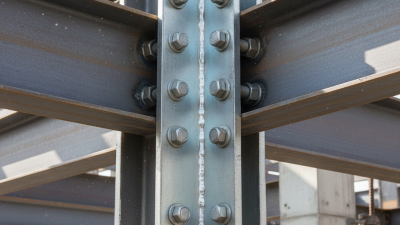
Understanding the precise role of the stiffening plate is vital. It supports loads, enhances stability, and prevents deformation. Each project presents unique conditions, making it essential to reassess options continuously. Expert recommendations and industry standards provide a valuable framework for making informed decisions. Balancing these aspects will ultimately ensure the success of the engineering project.
Understanding Stiffening Plates: Types and Materials Explained
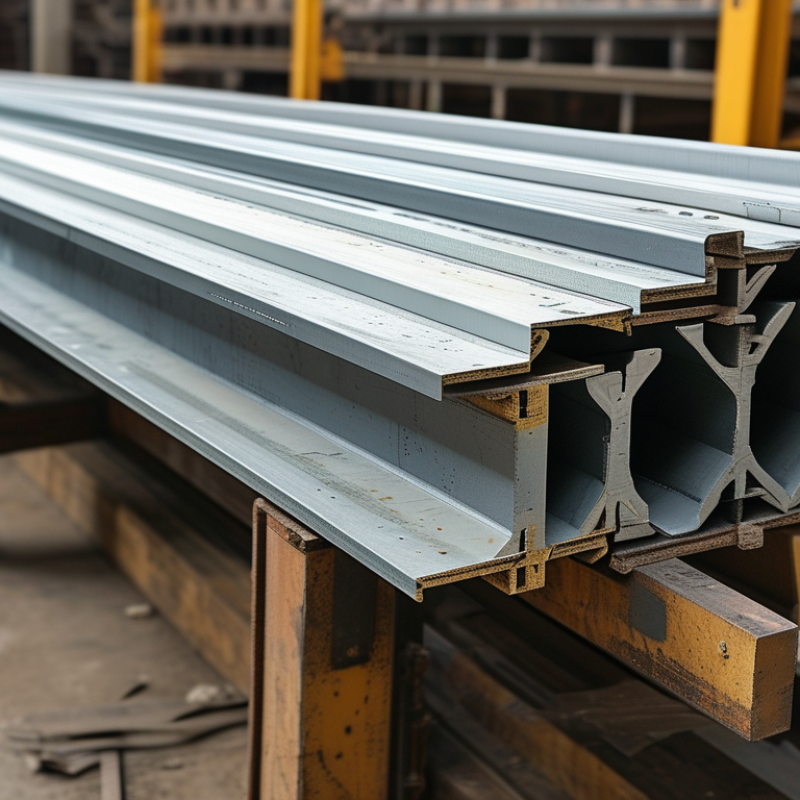
When selecting the right stiffening plate, understanding the types and materials is crucial. Stiffening plates come in various forms, including flat, ribbed, and corrugated designs. Each type serves a unique purpose in structural applications. Flat plates are often used for straightforward reinforcement, while ribbed plates can offer enhanced rigidity and load distribution. Corrugated options are lightweight yet strong, making them ideal for challenging conditions.
The materials utilized also significantly impact performance. Steel is a common choice due to its strength and durability. Aluminum, while lighter, provides adequate strength for specific applications. Composite materials are increasingly popular for their resistance to corrosion and reduced weight. According to industry reports, the demand for composite stiffening plates increased by 15% in recent years due to their versatility.
Tips: Consider the load-bearing requirements of your project. This factor determines the thickness and type of plate needed. Also, assess environmental conditions. Corrosive environments may necessitate protective coatings or corrosion-resistant materials. Testing different solutions can yield insights into performance issues.
Careful consideration of these factors ensures optimal choice without overspending. This approach avoids common pitfalls like under-specifying a plate, leading to potential structural failures. While many assume all plates are equal, variation matters. Engaging with experts can help clarify specific needs and applications.
Assessing Load Requirements: Key Factors for Plate Selection
When selecting a stiffening plate, assessing load requirements is crucial. Consider the specific weight and force the plate will bear. According to a recent industry report, improper load assessments can lead to structural failures in up to 30% of applications. Understanding the load distribution helps in choosing the right material and thickness.
For example, plates used in construction or industrial applications typically face dynamic loads. These loads can vary significantly depending on the environment. A thick steel plate may handle higher pressures, but it comes with weight penalties. Lighter materials, like aluminum, offer flexibility but support less load. It’s essential to balance these factors based on your project needs.
Engaging with engineering experts can clarify material properties. Reports indicate that 25% of projects fail due to material misjudgments. These miscalculations often stem from a lack of experience in the specific application. Relying solely on generic data may overlook unique conditions. Tailored assessments ensure optimized performance for your stiffening plate.
How to Choose the Right Stiffening Plate for Your Needs?
This bar chart illustrates the load requirements and material options when selecting a stiffening plate tailored to specific needs. The data reflects various materials and their corresponding load capacities, helping you make an informed decision.
Evaluating Environmental Conditions: Durability and Corrosion Resistance
When selecting a stiffening plate, evaluating environmental conditions is crucial. Factors like humidity, temperature, and exposure to chemicals significantly influence material performance. For instance, in coastal areas, saltwater can accelerate corrosion, affecting plate integrity. Understanding these conditions helps in choosing the right materials that can withstand their specific environments.
Durability and corrosion resistance are key considerations. Stainless steels, for example, offer excellent resistance to rust but may not perform well in acidic environments. On the other hand, treated metals can resist corrosion but might lack overall durability. Each choice has trade-offs. It’s vital to analyze where the plate will be installed, and the potential risks it faces. Relying solely on standard recommendations may lead to oversight. A nuanced understanding of your specific needs ensures a better fit for longevity.
Moreover, seeking professional opinions can refine your choices. However, experts may have varying experiences, and it’s essential to weigh their insights critically. Gathering information from multiple sources can reveal patterns or commonly overlooked aspects. Reflecting on the unique demands of your project can lead to a more informed decision when selecting a stiffening plate.
Compatibility with Existing Structures: Ensuring Proper Fit and Function
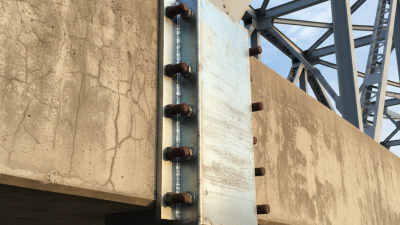
When selecting a stiffening plate, compatibility with existing structures is crucial. The right fit ensures structural integrity and functionality. A mismatch can lead to serious issues, including weak points and failure. It is essential to measure existing elements accurately. Small discrepancies can cause big problems.
Consider the material of your current structures. Different materials may behave differently under stress. A stiffening plate made of incompatible material can introduce unexpected flex or rigidity. Evaluate how the stiffening plate will interact with existing elements. Will it create stress concentrations? These factors can significantly impact performance.
Consulting with an engineer can provide valuable insights. They can help identify potential pitfalls in your choices. Their expertise can guide you towards solutions that enhance overall stability. Sometimes, the right choice means opting for a non-standard solution. Embrace the idea of flexibility in your approach. Compatibility isn't always straightforward, but ensuring the proper fit will ultimately lead to a more resilient structure.
How to Choose the Right Stiffening Plate for Your Needs? - Compatibility with Existing Structures: Ensuring Proper Fit and Function
| Stiffening Plate Type |
Material |
Thickness (mm) |
Load Capacity (kN) |
Compatibility |
| Rectangular Plate |
Steel |
10 |
50 |
Standard Structures |
| Circular Plate |
Aluminum |
8 |
30 |
Custom Fittings |
| Angle Plate |
Stainless Steel |
12 |
70 |
Reinforced Structures |
| Composite Plate |
Fiberglass |
6 |
40 |
Variable Integration |
| Custom Shape Plate |
Carbon Steel |
15 |
80 |
Specific Applications |
Cost Considerations: Balancing Quality and Budget in Plate Choice
Choosing the right stiffening plate involves careful consideration of both quality and cost. According to industry reports, prices for stiffening plates can vary significantly. Some plates may cost as low as $50, while high-quality options can reach $300 or more. This disparity can impact a project’s overall budget and profitability.
Investing in superior materials can lead to enhanced structural integrity. Reports indicate that using high-grade stiffening plates can reduce long-term maintenance costs by up to 30%. However, one must balance these benefits with the upfront costs. A cheaper plate might save money initially, but it could lead to higher repair expenses over time.
The key is finding a plate that meets specific project needs while remaining within budget. Industry experts recommend assessing lifecycles and performance expectations before making a decision. Some may lean toward cheaper options, but these choices may lead to regrets later. Regular evaluations of materials used can highlight areas where adjustments are necessary. A prudent approach can foster reliability in project outcomes while keeping costs manageable.