Why Pressure Relief Manholes Are Essential for Effective Sewer Management?
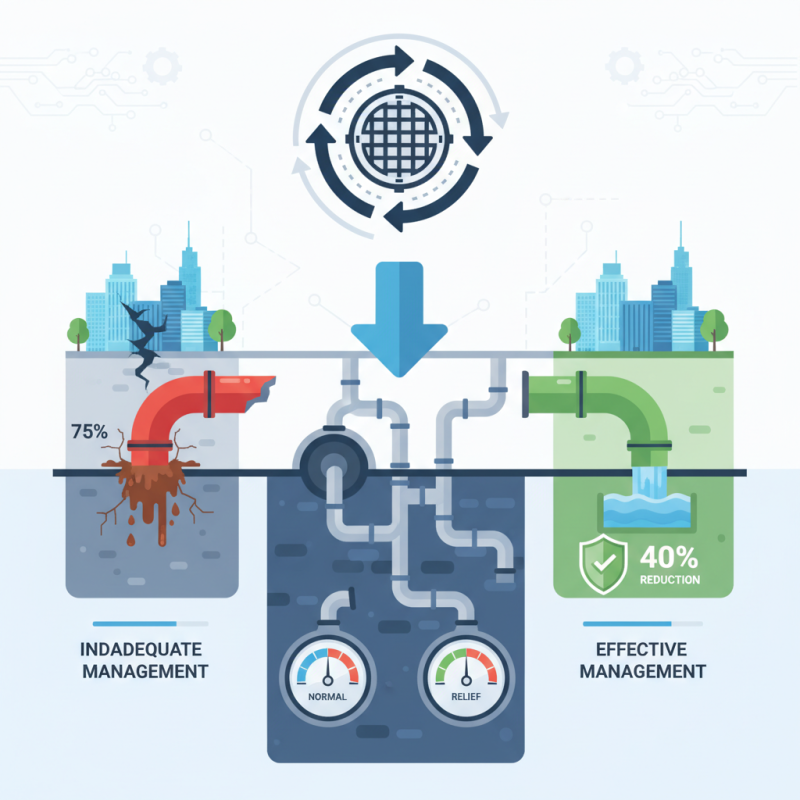
Effective sewer management is critical for urban infrastructure. Pressure Relief Manholes play a significant role in this process. They help alleviate pressure and prevent sewer overflows. According to the U.S. Environmental Protection Agency, over 75% of sewer overflows are due to inadequate management of pressure in the system. This highlights the necessity of incorporating Pressure Relief Manholes in sewer design.
A case study from a major city showed that pressure-related issues led to costly repairs and environmental damage. By integrating Pressure Relief Manholes, the city reduced overflow incidents by 40%. These structures offer a proactive approach, ensuring that sewer systems function efficiently under various conditions.
However, many municipalities still overlook the importance of Pressure Relief Manholes. Without proper installation and maintenance, designed benefits can diminish. Understanding their role is essential for planning sustainable urban environments. The challenge remains to educate stakeholders on the value of these structures. With an emphasis on long-term savings and environmental protection, the industry must recognize the significance of Pressure Relief Manholes.
Importance of Pressure Relief Manholes in Sewer Systems
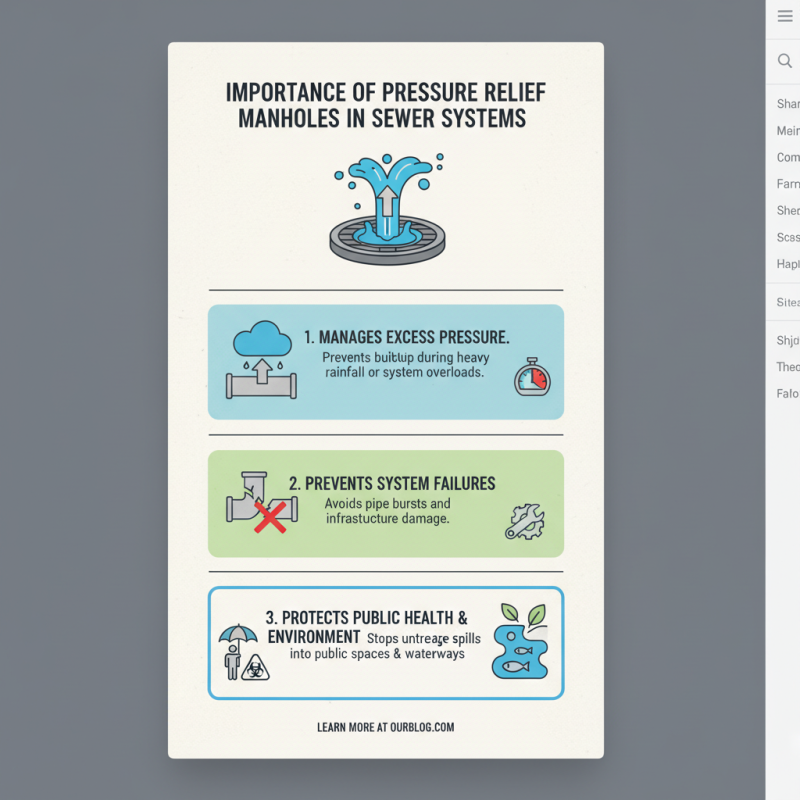
Pressure relief manholes play a vital role in sewer systems. They help manage excess pressure that builds up during heavy rainfall or system overloads. Without them, sewer systems can fail, causing serious damage. These failures can result in untreated sewage spilling into public spaces or natural waterways.
The design of pressure relief manholes allows for controlled release of pressure. This prevents pipes from bursting, which can lead to costly repairs and environmental hazards. Properly maintained manholes ensure that sewage flows smoothly. However, neglecting these units can lead to catastrophic consequences. Regular inspections are essential to address wear and tear.
In cities with frequent rainfall, the importance of pressure relief manholes cannot be overstated. Their absence can result in flooding and disruptions. Many sewer systems struggle with outdated infrastructure. Striking a balance between maintaining existing systems and upgrading them is crucial. Awareness of the role of pressure relief manholes encourages better planning and proactive management.
Understanding the Mechanism of Pressure Relief in Sewer Management
Pressure relief manholes play a critical role in sewer management by preventing potential blockages and overflows. These manholes are designed to release built-up pressure during heavy rain or unexpected surges in flow. When the sewer system becomes overwhelmed, the need for swift pressure relief becomes crucial. Without these mechanisms, backed-up sewage can lead to environmental damage and costly repairs.
Understanding how pressure relief works is vital. Each manhole features an outlet designed to allow excess flow to escape without harming the sewer structure. During a storm, the water volume can increase dramatically. These designed escape points help protect the system. However, relying solely on pressure relief manholes isn’t enough. Regular inspections and maintenance are essential. They ensure that these systems function correctly when most needed.
Despite their importance, not all systems incorporate adequate pressure management solutions. Many operators may overlook this aspect during design phases. It can lead to failures during critical moments. Investing in proper pressure relief technology is essential but requires careful planning. There is always room for improvement, even in well-designed systems. Understanding the need for pressure relief allows for better sewer management practices overall.
Benefits of Implementing Pressure Relief Manholes in Urban Areas
Pressure relief manholes play a vital role in urban sewer management. They help regulate the pressure within sewer systems. Excess pressure can lead to pipe bursts and system failures. By installing these manholes, urban planners can prevent costly repairs and disruptions.
The benefits of implementing pressure relief manholes extend beyond mere maintenance. They enhance the efficiency of waste management. When pressure is controlled, it reduces the risk of backflow. This is particularly important in densely populated areas. Backflow can contaminate drinking water sources, posing health risks. Manholes serve as safety valves, ensuring smooth wastewater flow during heavy rains.
However, the effectiveness of pressure relief manholes relies on proper design and maintenance. In some cases, there may not be enough installed in high-risk areas. Regular inspections are necessary to ensure they function correctly. Failure to manage them can lead to severe consequences, such as flooding or infrastructure damage. Balancing effective management with adequate resources is essential for urban planners.
Common Issues Addressed by Pressure Relief Manholes in Sewer Networks
Pressure relief manholes play a crucial role in maintaining effective sewer management. They help address various issues that can arise in sewer networks. One common problem is excessive pressure build-up. This can occur during heavy rainfall or system blockages. Without proper pressure relief, sewer lines may suffer damage or overflow, leading to costly repairs.
Another issue that pressure relief manholes tackle is unpleasant odors. These odors can emanate from trapped gases within the sewer system. By allowing these gases to escape safely, pressure relief manholes improve air quality in surrounding areas. They also prevent harmful gas buildup that can pose health risks.
Tips: Regular maintenance of pressure relief manholes is essential. Check for blockages or debris that may hinder their function. Installing manholes at strategic points in the network can enhance efficiency. Ensure that local regulations are followed during installation. Remember, neglecting minor issues can lead to major consequences down the line.
Standards and Best Practices for Installing Pressure Relief Manholes
Pressure relief manholes play a crucial role in effective sewer management. Proper installation of these structures adheres to specific standards and best practices. This ensures that pressure build-up is effectively managed, reducing the risk of sewer overflows and pipe damage.
When installing pressure relief manholes, it’s essential to follow local guidelines and regulations. Ensure that the design accommodates the expected flow rates and pressures. Consider consulting with engineering professionals to assess local soil and traffic conditions.
Tip: Always check the placement of the manhole. It should be accessible for maintenance but not in high-traffic areas.
Regular inspections are key. Manholes can suffer from blockages or structural damage over time. Developing a routine inspection schedule helps in identifying issues early.
Tip: Use quality materials that resist corrosion and wear. This will improve the longevity of the manholes and minimize repair costs.
Failure to adhere to best practices can lead to significant problems. It’s vital to learn from past installation errors to improve future projects. Over time, evolving methods and technologies can enhance the effectiveness of pressure relief manholes.