Understanding the Importance of Stainless Steel Straight Tee in China Top Industries?
The significance of the Stainless Steel Straight Tee in China's top industries cannot be overstated. This essential component facilitates efficient fluid and gas flow in various applications, from petrochemicals to food processing. According to a recent market report by ResearchAndMarkets, the demand for stainless steel fittings is projected to grow steadily, with the market expected to reach USD 9.5 billion by 2027.
Industry expert Dr. Zhang Wei notes, "The Stainless Steel Straight Tee is crucial for ensuring seamless connections in piping systems." This fitting not only offers durability but also prevents corrosion, which is vital in industries where hygiene and efficiency are paramount.
Despite its importance, some projects overlook the specific requirements for stainless steel components. Understanding these needs is essential for operational success. Manufacturers must focus on quality and compliance to meet the industry standards. The Stainless Steel Straight Tee is more than a mere connector; it reflects the commitment to safety and performance in industrial applications.
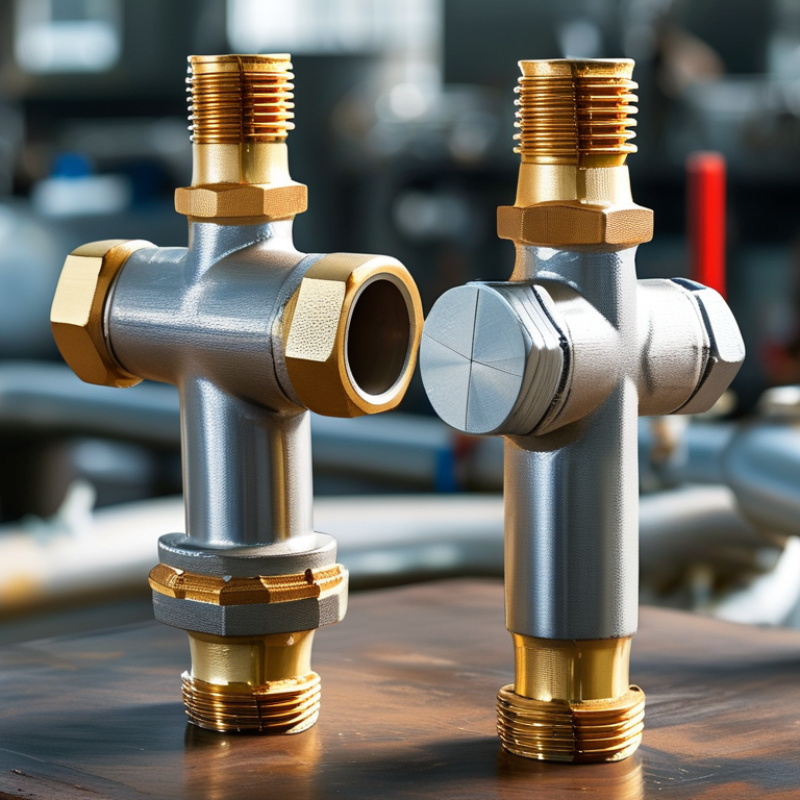
Role of Stainless Steel Straight Tees in Industrial Applications
In China’s top industries, stainless steel straight tees play a crucial role. These fittings are essential in piping systems for various applications. According to recent industry reports, the demand for stainless steel products is projected to grow by over 7% annually. This rise reflects the increasing need for durable and corrosion-resistant materials in sectors like construction, food processing, and chemical manufacturing.
The versatility of stainless steel straight tees allows for efficient fluid and gas distribution. They facilitate smooth transitions in pipelines. This is vital for maintaining system integrity. Research indicates that around 30% of industrial failures stem from inadequate fittings. Using high-quality stainless steel components can significantly reduce such risks.
However, the reliance on stainless steel raises questions about sourcing practices and environmental impact. Not all suppliers may adhere to sustainability standards. It emphasizes the need for due diligence in material selection. Industries must consider not just cost, but also the longevity and environmental footprint of these components.
Key Industries Utilizing Stainless Steel Straight Tees in China
Stainless steel straight tees are vital components in many top industries in China. They are widely used in sectors like energy, oil and gas, and chemicals. Their ability to resist corrosion makes them ideal for harsh environments. Industries rely on them for safe and efficient pipeline systems.
Several key industries utilize stainless steel straight tees. In the energy sector, they facilitate complex piping configurations. They help direct fluids where needed. This is critical for efficient operations. In the oil and gas industry, these fittings ensure the reliability of transport systems. They can handle high pressure and temperature, making them indispensable.
**Tip:** Always choose the correct size and grade of stainless steel for your project. This can significantly enhance system performance.
Another critical sector is manufacturing. Stainless steel tees support various applications, from machinery to food processing. Their durability ensures a long lifespan. This reduces the need for frequent replacements. However, it is essential to reflect on how to maintain these fittings. Regular inspections can prevent costly downtimes.
**Tip:** Keep an eye on corrosion and wear over time. Early detection can save money and resources.
Understanding the Importance of Stainless Steel Straight Tee in China Top Industries
This chart illustrates the utilization of stainless steel straight tees across key industries in China, highlighting their significance in various sectors.
Material Properties of Stainless Steel and Their Benefits
Stainless steel straight tees play a crucial role across top industries in China. Their material properties contribute significantly to their effectiveness. Stainless steel is known for its high corrosion resistance, making it an ideal choice for various environments. This resilience is particularly valuable in industries like food processing and pharmaceuticals, where hygiene is paramount.
The strength of stainless steel allows it to withstand high pressures and temperatures. This ensures durability in demanding applications. Furthermore, its smooth surface reduces the risk of contaminants. This quality also simplifies cleaning processes, enhancing overall efficiency.
Tip: When selecting stainless steel components, consider the specific grade required for your application. Different grades possess unique properties that could impact performance.
Another benefit comes from stainless steel's aesthetic appeal. Its polished finish not only looks attractive but can also signify quality. This visual aspect can be essential for brands that prioritize consumer perception.
Tip: Regular maintenance can prolong the life of stainless steel fittings. Periodic inspections help identify any wear or corrosion early on.
Overall, understanding the properties of stainless steel can significantly impact industrial success. While it is a reliable material, it's essential to regularly reassess its application and maintenance to ensure optimal performance.
Manufacturing Processes of Stainless Steel Straight Tees
The manufacturing process of stainless steel straight tees is intricate yet essential in various industries. Stainless steel is favored for its durability and corrosion resistance. The production starts with high-quality raw materials. These materials undergo careful selection to ensure optimal performance.
Once selected, the metal is sent for welding and shaping. The process involves cutting stainless steel into sections. Each section is precisely measured to fit the specifications. Operators use advanced machinery to achieve accurate cuts, ensuring that the tees fit perfectly in piping systems.
Heat treatment follows the shaping phase. This step enhances the material's strength and durability. It's not always perfect; there can be residual stresses within the metal. These imperfections require careful inspection. Manufacturers often perform non-destructive testing to identify flaws. Consistency in quality is critical for safety and performance across applications.
Stainless steel straight tees are vital in sectors like construction and petrochemicals. The intricate processes involved highlight the importance of expertise and precision in manufacturing. Each tee may have minor imperfections that engineers must account for during installation. Understanding these processes fosters a deeper appreciation for this essential component in industrial applications.
Challenges and Innovations in the Stainless Steel Industry in China
The stainless steel industry in China faces significant challenges. High production costs and fluctuating raw material prices impact profitability. The COVID-19 pandemic has disrupted supply chains, causing delays and increased lead times. According to the China Stainless Steel Association, production dropped by 6% in 2020. Many companies struggle to adapt to the new market landscape.
Innovation is crucial for survival. Advanced technologies, like automation and AI, are transforming how stainless steel is produced. The rise of green manufacturing is changing industry standards. By adopting environmentally friendly practices, companies can reduce waste and lower costs. Reports indicate that green steel production could meet 35% of global demand by 2030.
However, the path to innovation is not straightforward. Many firms lack the expertise or resources to implement new technologies. Additionally, there is a gap between research and commercial application. Data from industry analysts highlight that only 15% of firms have successfully integrated innovative processes into their production lines. This illustrates a critical challenge: how to effectively bridge this gap while navigating an increasingly competitive market.