Why Are Tank Wall Manholes Essential for Efficient Maintenance and Safety?
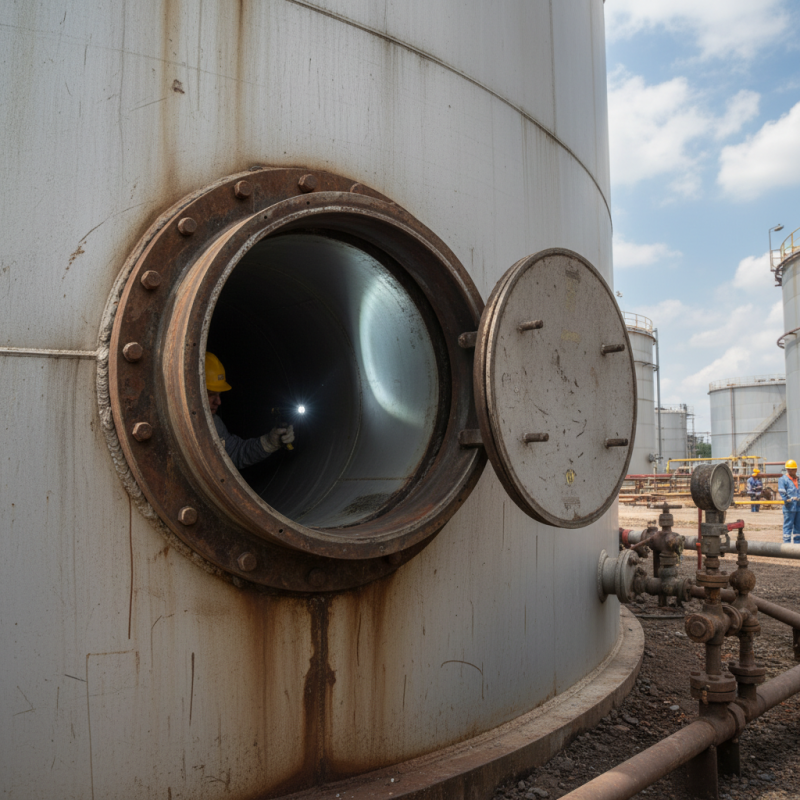
Tank Wall Manholes play a crucial role in the maintenance and safety of storage tanks. According to Dr. Emily Thompson, a leading expert in tank design and safety, "Proper access points like tank wall manholes can prevent significant operational disruptions." Manholes ensure that inspectors can easily access the tank interior, facilitating thorough inspections and maintenance.
Efficient maintenance is vital for preventing leaks and ensuring the integrity of tank systems. Tank wall manholes allow for quick access, which can reduce downtime during maintenance. While newer technologies emerge, the importance of these access points cannot be overlooked. Regular inspections through manholes help identify potential problems before they escalate.
Neglecting manhole maintenance can lead to serious safety hazards. However, many facilities still overlook this critical feature. Proper training and awareness are needed to emphasize their importance. Tank wall manholes should not be an afterthought; they are essential for operational efficiency and safety.
Importance of Tank Wall Manholes in Asset Management and Maintenance
Tank wall manholes play a vital role in asset management and maintenance. They provide essential access points for inspections and repairs. Regular maintenance is crucial for tanks to function efficiently. According to a report by the American Petroleum Institute, inadequate maintenance can lead to costly failures. These failures can result in catastrophic spills or structural integrity loss.
Routine inspections via these manholes improve safety and compliance with regulations. The U.S. Environmental Protection Agency suggests that proper access points can reduce inspection time by up to 30%. This means fewer labor hours and increased operational efficiency. However, many facilities still neglect the importance of these access points. Neglected inspections can lead to unforeseen risks.
Incorporating tank wall manholes into a facility’s design ensures that maintenance protocols are followed. They help mitigate risks and prevent costly downtimes. A study by the National Association of Corrosion Engineers indicates that properly maintained tanks can extend asset life by 20%. This clearly highlights the importance of manholes in effective asset management.
Impact of Tank Wall Manholes on Safety and Compliance Regulations
Tank wall manholes play a critical role in ensuring safety and compliance with regulations. These access points allow for routine inspections and maintenance, which are essential for identifying potential issues before they escalate. According to the American Society of Mechanical Engineers, improper maintenance can lead to serious accidents, costing the industry millions. Regular access through manholes helps mitigate these risks.
Compliance with safety regulations is non-negotiable in the management of storage tanks. The U.S. Environmental Protection Agency emphasizes that facilities must adhere to stringent standards regarding accessibility. Failing to provide adequate access can result in hefty fines. A study found that over 30% of tank-related incidents stem from inadequate maintenance, highlighting the importance of well-placed manholes.
Moreover, the design and placement of these manholes can significantly impact operational efficiency. Tanks that lack adequate access points often require more downtime for maintenance. This not only affects productivity but can also lead to unsafe conditions. Addressing these concerns is vital in today’s industry, where safety and efficiency are paramount. The presence of tank wall manholes is not just a regulatory requirement; it is a proactive measure towards fostering a safer workplace.
Key Design Features of Manholes for Optimal Maintenance Access
Tank wall manholes play a crucial role in maintenance and safety. These openings allow workers easy access to the interiors of storage tanks. Maintenance tasks, such as inspections and cleaning, can be performed with minimal disruption. Proper design features make these manholes even more effective.
Key design elements include an adequately sized opening. If the manhole is too small, accessing tight spaces becomes problematic. A larger, well-placed opening can facilitate safe entry for equipment and personnel. The introduction of safety features, such as non-slip surfaces and secure ladders, is vital. These help reduce accidents during maintenance operations.
Regular inspections and maintenance are essential. Manholes need to be checked for damage and functionality. Neglecting their condition can lead to costly issues. The materials used for manhole construction should endure harsh environments. Corrosion-resistant options provide longevity. However, relying solely on materials may overlook human factors, such as the need for regular training on safe entry practices. Balancing structural integrity with human safety creates a comprehensive maintenance strategy.
Why Are Tank Wall Manholes Essential for Efficient Maintenance and Safety? - Key Design Features of Manholes for Optimal Maintenance Access
| Feature |
Description |
Benefits |
| Access Size |
Manholes are designed with a sufficient diameter to allow for easy entry and exit during maintenance activities. |
Promotes efficient inspections and repairs, reducing downtime. |
| Material Selection |
Constructed with durable materials like reinforced concrete or steel to withstand environmental stresses. |
Increases longevity and reduces maintenance frequency. |
| Safety Features |
Incorporates safety ladders and anti-slip surfaces for worker safety during access. |
Minimizes risk of accidents and injuries, enhancing workplace safety. |
| Sealing Mechanism |
Equipped with effective sealing to prevent contaminants from entering the tank. |
Protects tank contents and enhances overall environmental safety. |
| Ventilation |
Design includes ventilation ports to manage pressure and gas emissions. |
Improves air quality and reduces risks associated with volatile gases. |
Industry Standards and Best Practices for Tank Manhole Installation
Tank wall manholes serve a critical role in maintenance and safety. Following industry standards during installation is crucial. The API (American Petroleum Institute) reports that proper manhole sizes enhance access for inspection. This design promotes effective cleaning and repairs. Regular maintenance can reduce the risk of leaks and spills, which is paramount in tank management.
Experts suggest that adherence to best practices can improve tank longevity. For instance, the AWWA (American Water Works Association) notes that well-installed manholes can extend the life of tanks by five to ten years. However, a lack of standardization raises concerns. Many installations fail to meet basic safety requirements, leading to potential hazards.
Inadequate access points can complicate repairs and increase operational costs.
The importance of skilled labor during installation cannot be overstated. Trained professionals bring invaluable insights. Their expertise can mitigate common errors, such as improper sealing or placement. Ongoing training is essential for personnel involved in manhole installation. Investing in education is an investment in safety and efficiency.
Regular audits of installations ensure compliance with evolving standards. Keeping up with these changes can be a challenge for many organizations.