90 Tips for Choosing the Right 90 Degree Socket Elbow for Your Projects?
Choosing the right 90° socket elbow for your project can be challenging. There are numerous options available, each with specific features. Selecting the best fit requires a solid understanding of your project's requirements. A 90° socket elbow can significantly impact the functionality of your plumbing or HVAC system.
You might think that a simple elbow will suffice. Yet, various materials and sizes are available, each tailored for distinct applications. It's crucial to consider factors like the pressure rating and environmental conditions. A poorly chosen 90° socket elbow can lead to leaks or failure.
As you navigate this decision, reflect on your project’s unique needs. Are you prioritizing durability or flexibility? Have you accounted for the type of connections you’ll be using? Engaging in this thought process empowers you. It helps ensure the 90° socket elbow you choose serves its intended purpose efficiently, providing both reliability and performance.

Understanding the Types of 90 Degree Socket Elbows Available in the Market
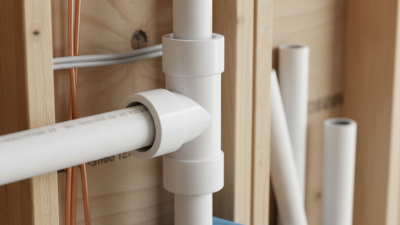
When selecting a 90-degree socket elbow, understanding the types available is crucial. These fittings come in various materials and designs. Common materials include PVC, metal, and CPVC. Each offers unique benefits depending on the application. For instance, PVC is lightweight and corrosion-resistant, making it suitable for plumbing. Metal options, such as brass, provide strength and durability, ideal for high-pressure systems.
It's essential to consider the specific needs of your project. The diameter of the elbow should match your piping system. Additionally, think about the temperature and pressure ratings. Not all elbows withstand high temperatures or pressures equally. Some are designed for residential use, while others cater to industrial requirements. Finding the right fit saves time and prevents leaks during installation.
One area often overlooked is installation difficulty. Some designs may look straightforward but can pose challenges. Ensure you have the right tools and techniques for a proper fit. Failure to do so may result in future repairs. Reflecting on these aspects can help in making an informed choice. Choosing the right 90-degree socket elbow can significantly impact project success.
Types of 90 Degree Socket Elbows Used in Plumbing Projects
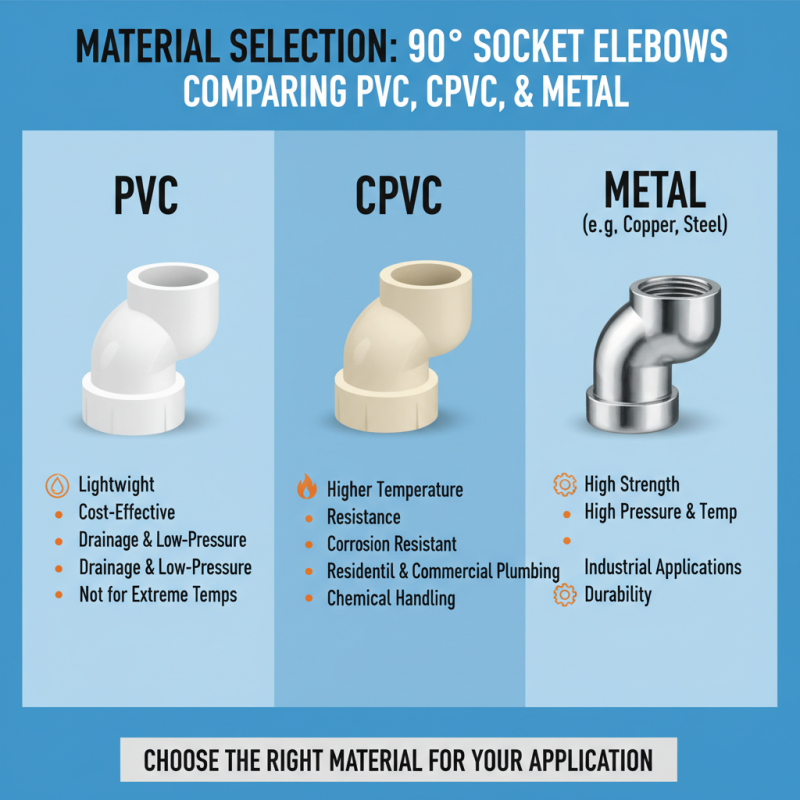
Material Selection: Comparing PVC, CPVC, and Metal Socket Elbows
When selecting a 90-degree socket elbow, material choice is crucial. PVC, CPVC, and metal options each have unique properties. PVC elbows are lightweight and cost-effective. They are excellent for drainage systems and low-pressure applications. However, they may not withstand extreme temperatures.
CPVC, an upgraded version of PVC, offers better heat resistance. It is suitable for hot water applications. CPVC can handle higher pressure than standard PVC. On the downside, it is more expensive and less flexible. It's essential to weigh the benefits against your project's requirements.
Metal socket elbows provide strength and durability. They excel in high-pressure systems but can be heavier and pricier. Corrosion is a factor to consider with metal materials. Choosing the right elbow involves understanding the environment where it will be used. Reflecting on the specific needs of your project can lead to better choices. Be honest about what your installation truly demands.
Key Factors in Sizing: How to Measure for Accurate Fitment of Elbows
Choosing the right 90-degree socket elbow for your plumbing or HVAC projects begins with proper measurement. Accurate fitment is crucial. A snug connection minimizes leaks and ensures long-lasting performance. Start by measuring the outer diameter of the pipe you’ll be using. Use a caliper or a measuring tape for precision. Mark the measurement clearly to avoid confusion later.
Consider the material of your elbows. Different projects often require various materials, such as PVC or copper. Each material has its own set of specifications. Think about factors like temperature tolerance and pressure ratings as they directly affect the elbow's functionality. It’s also important to account for any potential expansions or contractions in your project’s environment.
Sometimes, confusion arises with the angle of the elbow. Remember that not all 90-degree elbows are created equal. Some may have slight variations in their angles. Measuring twice before purchasing helps avoid mistakes. Take into consideration how your project may evolve over time. Anticipating future adjustments can save you from unnecessary future costs.
Performance Characteristics: Flow Rate and Pressure Ratings Explained
When selecting a 90-degree socket elbow, understanding performance characteristics is crucial. Flow rate significantly affects project efficiency. Higher flow rates ensure swift movement of materials. However, too high of a rate can lead to turbulence, impairing system performance. Assessing the required flow rate for your specific application helps in making informed decisions.
Pressure ratings also play an important role. Each material has a specific maximum pressure it can withstand. Exceeding this limit can cause failures or leaks. It’s worth noting that many users underestimate this factor. Without proper assessment, you might end up with an elbow that cannot handle the necessary pressure.
Always consider the specific requirements of your project. Common mistakes include choosing components based solely on availability or price. This might save money initially but can lead to durability issues. Doing additional research and consulting with experts can enhance your understanding. In complex systems, the correct elbow will improve long-term performance and reliability. Avoid shortcuts that compromise quality for cost.
90 Tips for Choosing the Right 90 Degree Socket Elbow for Your Projects
| Material |
Flow Rate (GPM) |
Pressure Rating (PSI) |
Temperature Range (°F) |
Application |
| PVC |
10 |
150 |
32 - 140 |
Water Supply |
| Copper |
15 |
300 |
32 - 400 |
Heating Systems |
| Stainless Steel |
20 |
1500 |
-50 - 800 |
Chemical Processing |
| Brass |
12 |
800 |
32 - 250 |
Water and Gas |
| Aluminum |
25 |
600 |
-40 - 500 |
HVAC Systems |
Installation Techniques: Best Practices for Securing 90 Degree Socket Elbows
When it comes to installing 90-degree socket elbows, precision is key. According to a 2022 industry report, approximately 30% of plumbing failures stem from improper fittings. To avoid these issues, ensure that the elbow fits snugly. Use pipe measurements before cutting and ensure a clean, burr-free edge. A good fit can reduce the risk of leaks.
Sealants and adhesives play a crucial role in securing these fittings. Research shows that using high-quality sealants can enhance the longevity of piping systems by up to 20%. Apply the adhesive generously, but avoid overusing it. This can lead to excessive pressure on joints, which might compromise their integrity.
Finally, take your time with the installation. Hurrying can lead to mistakes, such as misalignment or excess adhesive application. Consider post-installation checks, as they can identify potential issues early. Regular inspections can also prevent future complications, ensuring your projects run smoothly.