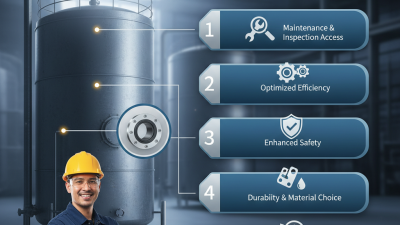

The Socket Welding Pipe Table is essential in various industries, including oil and gas. According to a recent report by MarketsandMarkets, the global market for piping systems is projected to grow to USD 10 billion by 2025. This growth emphasizes the need for reliable tools like the Socket Welding Pipe Table.
Weld quality is crucial. It impacts safety and performance significantly. A well-designed Socket Welding Pipe Table aids precise alignment and fit-up, reducing defects. However, not all tables meet industry standards. Users should consider features that enhance productivity and ensure quality.
Many professionals overlook the importance of material selection and table stability. A sturdy foundation prevents wobbling, which can lead to misalignment during the welding process. It’s a reminder that investing in high-quality equipment is not just beneficial; it's necessary for success in demanding applications. Regular assessment of equipment is vital for maintaining optimal efficiency.
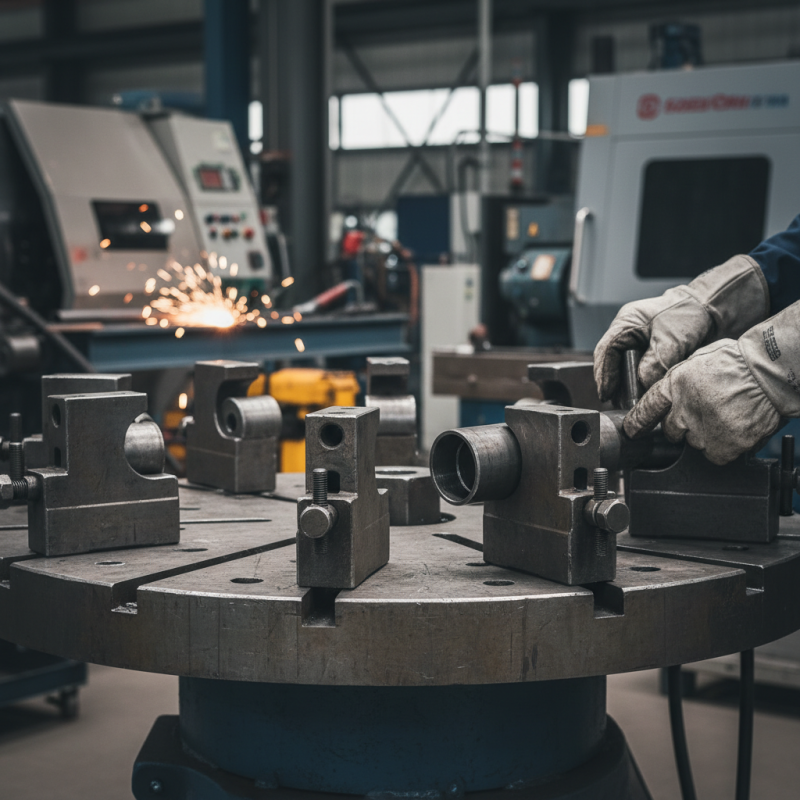
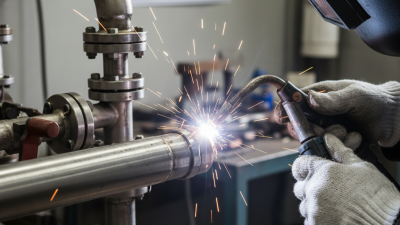
Socket welding is a vital technique in pipe systems. It creates strong, leak-resistant joints, ensuring reliability. Reports by the American Society of Mechanical Engineers indicate that socket welding is often preferred in industries where space is limited. This technique is widely used in water lines and chemical processes.
When performing socket welding, the fit of the pipe must be precise. Any misalignment can lead to weak joints or failure. A comprehensive study found that improper installation could cause up to 30% of system failures. Thus, attention to detail is crucial.
Tips: Ensure the pipe ends are clean before welding. This prevents contamination and improves the joint quality. Use a proper fixture to maintain alignment. Regular inspections can also help identify issues early, reducing repair costs. Socket welding requires skill and care. Mistakes can be costly, so training for welders cannot be neglected.
Understanding these aspects of socket welding helps enhance operational efficiency. A sound grasp of welding temperature and time is also essential. Inadequate heat can lead to incomplete melting. Remember, good practices in socket welding establish a solid foundation for any piping system.
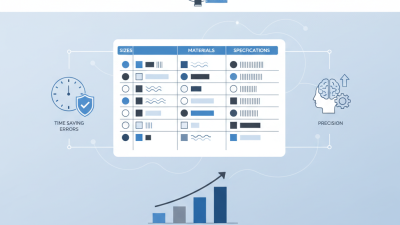
Socket welding is a crucial joining method in piping systems. It offers several key advantages over traditional welding techniques. One significant benefit is its ease of installation. The process requires less time compared to other joining methods. This efficiency can lead to reduced labor costs and faster project completions.
Moreover, socket welding allows for strong, leak-proof joints. The design enables a smooth flow within pipes. This is particularly beneficial in high-pressure systems. The welds tend to be more uniform, which enhances the overall integrity of the system. However, achieving perfect alignment during assembly can be challenging. Misalignment may cause stress on the joints over time.
Another point to consider is the versatility of socket welding. It accommodates various pipe sizes and materials. However, different standards may apply, and adherence to these is crucial. Failing to meet specifications can lead to failures. Thus, while socket welding offers many advantages, attention to detail is essential for success.
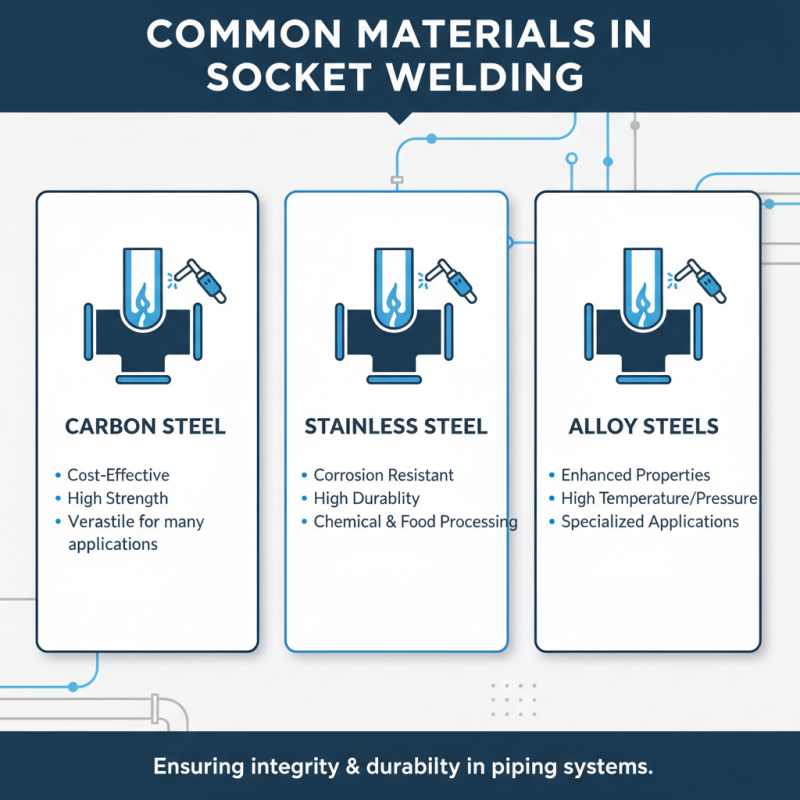
Socket welding is widely used in piping systems. The success of this technique largely depends on the materials employed. Various materials ensure the integrity and durability of socket-welded joints.
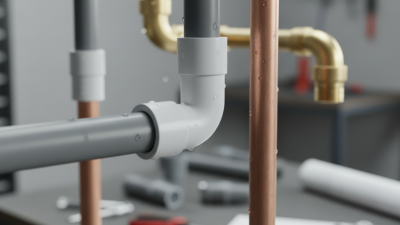
Commonly, stainless steel is favored for its resistance to corrosion. It is strong and tough, making it suitable for high-pressure applications. Carbon steel is another popular choice. It provides excellent strength and is relatively cost-effective. However, it lacks corrosion resistance. This can lead to issues over time, especially in harsh environments.
There are also instances of using high-density polyethylene (HDPE). This material is lightweight and flexible. It can handle certain chemicals effectively. But it is not always the best choice for high-temperature applications. Each material comes with its advantages and drawbacks. Selecting the right one is essential. It requires careful consideration of the application environment and potential challenges.
Socket welding is a reliable joining method commonly used in various industries. Understanding the industry standards and specifications for socket welding is crucial. According to the American Society of Mechanical Engineers (ASME), socket welding must adhere to ASME B16.11. This standard outlines dimensions, tolerances, and testing requirements necessary to ensure quality and safety.
One key aspect is the dimensional tolerance mandated by ASME. For instance, the outer diameter of the pipe and socket should have specific measurements. The gap between the pipe and socket must not exceed 1/16 inch. Accurate fits are essential, as improper fits can lead to failures. Additionally, the International Organization for Standardization (ISO) has its standards that may differ slightly. Discrepancies can confuse manufacturers and engineers.
Testing is another challenge. Many companies face issues with ensuring that welds meet the required standards, such as those set by the American Welding Society (AWS). Visual inspection may not reveal underlying problems like incomplete fusion. This indicates a need for more rigorous testing techniques like radiographic testing. Reflections on these aspects can highlight the continual need for better training and procedures in the socket welding process.
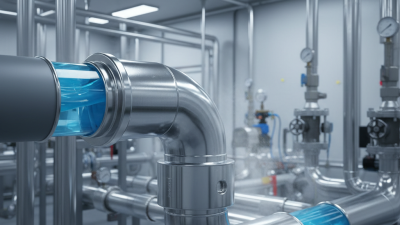
Maintaining socket welded pipes is crucial for longevity and efficiency. Regular inspection is essential. Look for signs of wear, corrosion, and leaks. Often, these pipes are hidden within walls or beneath floors. A thorough check can prevent significant issues later on.
Cleaning is another vital aspect. Accumulated dirt and debris can lead to blockages. Simple cleaning tools can effectively remove obstructions. It’s surprising how much residue builds up over time. Periodic maintenance can mitigate these risks.
Keep an eye on the environment. Temperature changes and humidity can affect pipe integrity. Insulating pipes can shield them from extreme conditions. Yet, many overlook this detail. Awareness and routine checks can greatly enhance the lifespan of socket welded pipes. Don't let a simple oversight lead to big repairs.
| Feature | Description | Benefits | Common Materials | Maintenance Tips |
|---|---|---|---|---|
| 1. Seamless Design | No joints in the welding process. | Reduces leak potential, enhances durability. | Stainless Steel, Carbon Steel | Inspect regularly for signs of wear. |
| 2. High Pressure Resistance | Sustains high levels of pressure. | Ideal for high-stress applications. | Alloy Steel, PVC | Check pressure ratings periodically. |
| 3. Thermal Stability | Maintains integrity under temperature fluctuations. | Prevents system failure in extreme conditions. | Copper, Titanium | Monitor temperature-sensitive areas. |
| 4. Corrosion Resistance | Wrinkling and rusting are minimized. | Longer service life, reduced maintenance cost. | Stainless Steel, HDPE | Clean regularly to avoid trapped moisture. |
| 5. Easy Installation | Quick and simple welding process. | Saves time and labor costs on installation. | Aluminum, PEX | Ensure proper alignment before welding. |
| 6. Compact Design | Space-saving pipework layout. | Maximizes available installation space. | Polypropylene, Fiberglass | Review layout designs periodically. |
| 7. Versatile Use | Applicable across various industries. | Suitable for both high-pressure and low-pressure systems. | Various metals and plastics | Adapt custom plans based on requirements. |
| 8. Reduced Leak Points | Fewer connections mean fewer potential leaks. | Enhanced reliability in critical systems. | Steel, Polymer-based | Perform regular leak detection tests. |
| 9. Cost-Effectiveness | Lower installation and maintenance costs. | Budget-friendly solutions for projects. | Copper, CPVC | Calculate ROI for maintenance schedules. |
| 10. Aesthetic Appeal | Neat and tidy installations are possible. | Enhances the overall look of installations. | Stainless Steel, Chrome Plated | Keep visible areas clean and organized. |