Top 5 Stainless Steel Reducing Tees You Must Buy Now?
In the world of plumbing and construction, the selection of reliable components is critical. One standout option is the Stainless Steel Reducing Tee. This fitting not only optimizes space but also enhances overall system efficiency. According to industry reports, these tees offer superior corrosion resistance and durability, making them a preferred choice for many professionals.
The global market for stainless steel products has seen significant growth, with a projected CAGR of 6.4% from 2021 to 2026. This rise is fueled by increased demand for robust materials in various sectors. While many options are available, it is essential to choose the right Stainless Steel Reducing Tee to meet specific needs. Quality variations exist, and not all products perform equally under pressure or temperature.
Challenges can arise when integrating these fittings into existing systems. Some may find installation tricky. Understanding these imperfections in the market is crucial. It ensures that the chosen Stainless Steel Reducing Tee provides the best balance between performance and cost. Overall, acknowledging the nuances of these fittings can lead to more informed purchasing decisions.
Understanding Stainless Steel Reducing Tees: An Overview
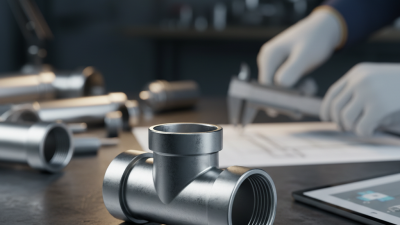
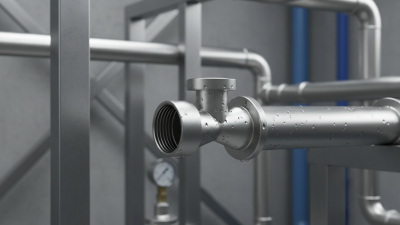
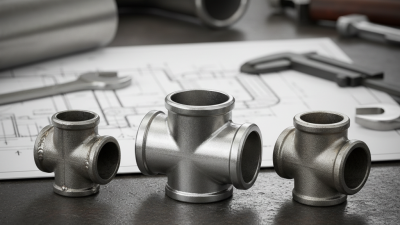
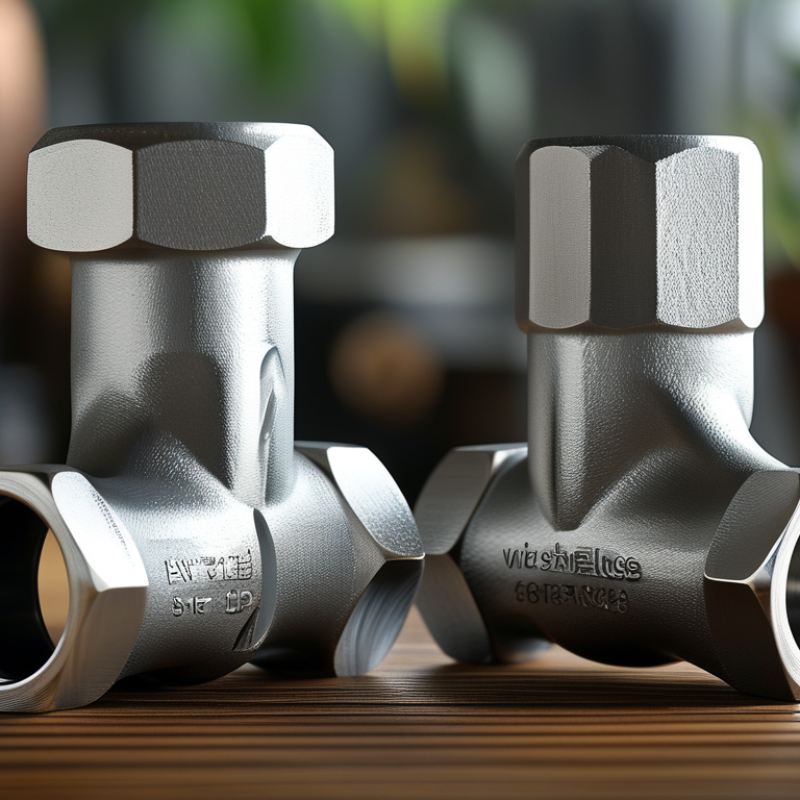
Stainless steel reducing tees are essential components in piping systems. They allow for the connection of pipes of different diameters. This flexibility makes them vital in various industries, such as oil and gas, water treatment, and chemical manufacturing.
According to a recent Market Research Report, the stainless steel fittings market is projected to grow by 5% annually from 2023 to 2028. This growth reflects rising demand for durable and corrosion-resistant materials. A notable advantage of stainless steel is its ability to withstand extreme temperatures and pressures. However, users often overlook the importance of choosing the right size and pressure rating. Mismatched fittings can lead to leaks or system failures over time.
Furthermore, stainless steel reducing tees come in various grades, impacting both performance and cost. Grade 304 and 316 are among the most popular. While 304 offers good corrosion resistance, 316 provides enhanced durability in harsher environments. Understanding these nuances can be complex, yet crucial for making informed purchasing decisions. Ensuring the right fit is not just about performance but longevity, which is often underestimated in the initial stages of project planning.
Top 5 Stainless Steel Reducing Tees You Must Buy Now
| Item |
Material |
Size (inches) |
Pressure Rating (PSI) |
Price (USD) |
| Reducing Tee A |
Stainless Steel 304 |
1 x 1/2 x 1 |
150 |
$12.50 |
| Reducing Tee B |
Stainless Steel 316 |
2 x 1 x 2 |
300 |
$18.75 |
| Reducing Tee C |
Stainless Steel 304 |
3 x 1/2 x 3 |
200 |
$22.00 |
| Reducing Tee D |
Stainless Steel 316L |
4 x 2 x 4 |
600 |
$29.99 |
| Reducing Tee E |
Stainless Steel 304 |
2 x 1/2 x 2 |
150 |
$15.00 |
Key Features to Look for in Reducing Tees
When selecting stainless steel reducing tees, several key features are crucial for ensuring optimal performance. The material grade plays a significant role in durability and corrosion resistance. According to industry studies, 304 and 316 grades are among the most widely used for reducing tees. These grades withstand high temperatures and various chemicals, making them suitable for many applications.
Another important aspect is the size and pressure rating. Most applications have specific requirements regarding flow rate and pressure. Ensure that the reducing tee you choose matches these specifications. An incorrectly sized tee can lead to leaks or system failures, resulting in costly repairs. Industry experts recommend using fittings that comply with ANSI/ASME standards to ensure reliability.
Weld quality is also critical. High-quality welds prevent leaks and maintain structural integrity under pressure. A study from the American Society of Mechanical Engineers found that poor welding could reduce a fitting’s lifespan significantly. Users should examine the welds visually and, when possible, opt for fittings that have been subjected to pressure testing. Remember, even the best materials can fail if not properly constructed.
Top 5 Stainless Steel Reducing Tees: A Detailed Review
When choosing stainless steel reducing tees,
durability and resistance to corrosion are key factors. These fittings are essential in plumbing and piping systems.
They connect different pipe sizes, ensuring a smooth transition.
Quality materials matter significantly.
Higher-grade stainless steel provides better performance and longevity.
In the market, many options exist, each with varying specifications and certifications.
It’s wise to check for industry certifications
before making a purchase. For instance, look for compliance with standards like
ASTM. Not all products advertise this information clearly.
Some may even mislead buyers about their durability.
Details can make a substantial difference.
Pay attention to the finish and design of each reducing tee.
A well-polished surface can enhance visual appeal and prevent debris buildup.
However, some fittings may not provide this level of detail, leading to maintenance challenges.
Ensuring a perfect fit between sizes is crucial to avoid leaks. Many users overlook this, causing long-term issues.
Choosing wisely requires research and diligence
to avoid common pitfalls.
Comparative Analysis: How to Choose the Right Reducing Tee
When selecting a stainless steel reducing tee, the material's quality is crucial. Stainless steel offers excellent corrosion resistance and durability. This is important for applications involving water, chemicals, or high temperatures. Look for tees made from high-grade steel, which ensures longevity and performance.
Tips: Always consider the environment where the tee will be used. High-grade stainless steel is best for harsh conditions. Also, ensure that the size and dimensions match your piping needs. An improper fit can lead to leaks or pressure loss.
Consider the flow characteristics of the tees. A smooth interior surface enhances fluid flow. This reduces turbulence, which can cause wear over time. Visualizing the flow in your system can help in making a more informed choice.
Remember that installation matters too. A poorly installed tee can lead to significant issues. Always prioritize proper installation techniques and seals to secure the joints. Investing time in correctly fitting your reducing tee will pay off in the long run.
Comparative Analysis of Top 5 Stainless Steel Reducing Tees
Benefits of Using Stainless Steel Reducing Tees in Plumbing Systems
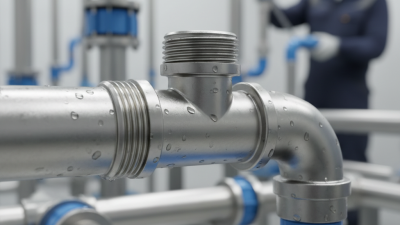
Stainless steel reducing tees are essential components in plumbing systems. They provide flexibility in pipe design by allowing different pipe sizes to be connected seamlessly. This ability is crucial for optimizing water flow and pressure within a system. A study by the Plumbing Manufacturers International revealed that improper connections can cause a 10-30% waste of water, emphasizing the role of reducing tees in efficiency.
Using stainless steel in reducing tees adds to the durability of plumbing systems. Stainless steel resists corrosion and handles high temperatures well, making it ideal for various environments. In fact, research shows that stainless steel can last over 50 years in a typical plumbing system. However, not all stainless steels are created equal. Some grades may not perform under extreme pressure, leading to leakage.
Installation of these tees requires expertise. A poorly installed reducing tee can lead to failures. According to the American Society of Mechanical Engineers, 20% of plumbing failures stem from improper fittings. Ensuring correct sizing and alignment is critical. Investing in the right materials and skilled labor can mitigate these risks and enhance system performance.