Top 10 Welding Flanges for Global Buyers to Consider
In the world of manufacturing, choosing the right components is crucial. Welding flanges are essential for creating strong, leak-proof connections. Industry expert, John Smith, emphasizes, "Selecting quality welding flanges can vastly improve the integrity of your systems." His insight highlights the importance of making informed decisions.
Welding flanges come in various materials and standards. Global buyers face many choices, making it challenging to identify which flanges best suit their needs. Each type offers unique advantages and potential drawbacks. Some flanges may not perform well under extreme conditions. Understanding these factors is vital.
As industries evolve, reliability in welding flanges becomes paramount. Companies often overlook specifications in their haste. Failing to research can lead to costly mistakes. Buyers should assess their specific applications to ensure that the flanges they choose will stand the test of time. With careful consideration, selecting the right welding flanges can enhance overall system performance.
Overview of Welding Flanges and Their Importance in Manufacturing
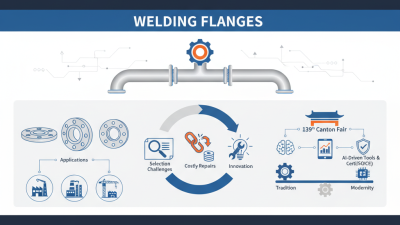
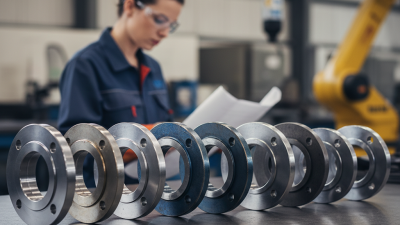
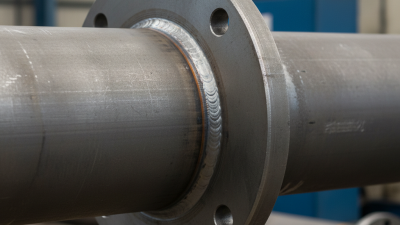
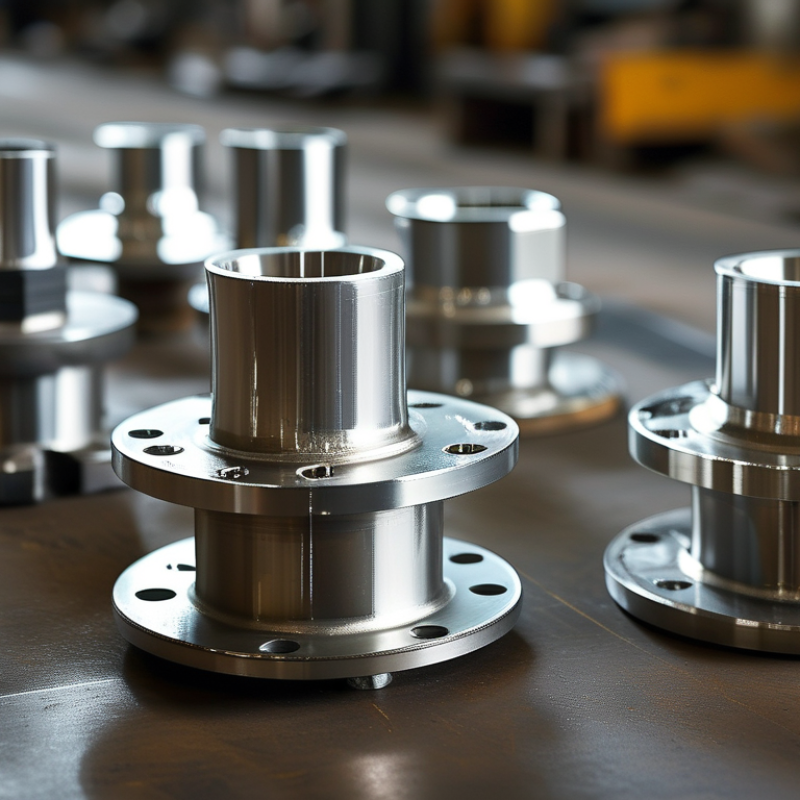
Welding flanges play a crucial role in various manufacturing processes. They serve as connectors between pipes, valves, and other systems. Their primary function is to provide a reliable and leak-proof joint. Flanges offer flexibility for assembly and disassembly, which is vital in maintenance. They also withstand high pressures, ensuring the integrity of the overall structure.
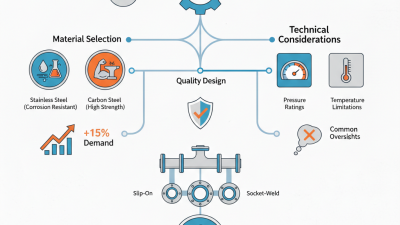
Understanding the significance of materials in flange manufacturing is essential. Different applications demand specific materials, such as stainless steel or carbon steel. The choice affects durability and performance in extreme conditions. Flanges must also be designed to meet industry standards to ensure compatibility and safety in various environments.
While many manufacturers aim for perfection, flaws can occur in production. Small defects might lead to significant issues over time. Regular inspections and quality assurance are necessary. Engaging suppliers with robust experience in welding technology is vital. It enhances trust in the products being used. Flanges may seem simple, but their impact on operational efficiency is profound.
Key Factors to Consider When Choosing Welding Flanges
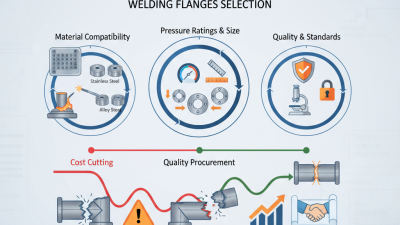
When selecting welding flanges, several key factors must be considered. Material choice is paramount. Different flanges use various metals, like steel, aluminum, or brass. Each material has unique properties affecting strength, weight, and corrosion resistance. Think about the specific application environment before choosing.
Another crucial factor is flange size and pressure rating. The size should match the piping system requirements. Flanges must also meet pressure standards to ensure safety and performance. This means checking the flange's pressure class and ensuring compatibility with your project.
Don't overlook the importance of manufacturing standards. Flanges should comply with industry regulations for quality and safety. This ensures reliability and performance during welding operations. Also, consider sourcing from reputable suppliers. Reliable sources often guarantee better quality control and customer support. Ultimately, making informed choices about welding flanges can significantly impact project success.
Top 10 Welding Flanges: Features and Applications
When exploring the world of welding flanges, understanding their features and applications is crucial. Common types include slip-on, blind, and threaded flanges, each serving unique purposes. Slip-on flanges are easier to align and weld but might not provide the highest pressure ratings. In contrast, blind flanges are sealing tools that cover piping ends, ideal for maintenance tasks. Threaded flanges are beneficial when welding is not an option, offering easy assembly.
Tips for selecting the right flange: consider the pressure and temperature of your applications. Ensure compatibility with the pipe material you're using. Keep in mind that the wrong choice can lead to leaks or failures. Do not overlook the importance of proper installation. Even the best flanges can fail if improperly aligned.
Another aspect to ponder is the surface finish of the flange. A rough finish may lead to poor sealing, while a smooth finish ensures a good fit. The choice of gasket material is equally important. It's the bond between the flange and the pipe. Evaluate the environmental conditions the joint will face, such as temperature fluctuations or corrosive environments. Knowing these factors will guide you to make an informed decision on suitable welding flanges.
Top 10 Welding Flanges for Global Buyers to Consider - Features and Applications
| Welding Flange Type |
Material |
Size Range |
Pressure Rating |
Applications |
| Slip-On Flange |
Carbon Steel |
1" - 24" |
150 - 600# |
Pipelines, Industrial Equipment |
| Socket Weld Flange |
Stainless Steel |
1/2" - 8" |
150 - 3000# |
High Pressure Systems |
| Blind Flange |
Alloy Steel |
2" - 36" |
150 - 1500# |
Closing Off Pipelines |
| Lap Joint Flange |
Carbon Steel |
1" - 12" |
150 - 300# |
Temporary Pipelines |
| Threaded Flange |
Stainless Steel |
1/2" - 6" |
150 - 600# |
Lightweight Mechanisms |
| Orifice Flange |
Carbon Steel |
2" - 30" |
150 - 300# |
Flow Measurement |
| Ring Type Joint Flange |
Alloy Steel |
2" - 24" |
150 - 1500# |
High-Pressure Systems |
| Weld Neck Flange |
Stainless Steel |
1" - 48" |
150 - 2500# |
Heavy Duty Pipelines |
| Projection Flange |
Carbon Steel |
1" - 12" |
150 - 300# |
Easy Assembly |
| Long Welding Neck Flange |
Alloy Steel |
2" - 24" |
150 - 3000# |
Marine and Construction |
Comparison of Materials Used in Welding Flanges
When selecting welding flanges, material choice is crucial. Common materials include carbon steel, stainless steel, and alloy steel. Each type has unique properties affecting performance and longevity.
Carbon steel flanges are strong and affordable but prone to corrosion. They are ideal for low-cost applications where environmental conditions are mild.
Stainless steel flanges excel in corrosion resistance. They resist rust and maintain structural integrity in harsh conditions. Their high strength and durability make them suitable for diverse applications. However, they tend to be more expensive than carbon steel options.
Alloy steel flanges combine strength and resistance. They are often used in high-pressure situations and extreme temperatures.
Choosing the right material can be challenging. Buyers must consider the specific environment and pressure levels. Sometimes, the cheapest option may not be the best choice. It's essential to evaluate costs versus long-term durability.
Flanges can deteriorate quickly in unsuitable conditions. This careful consideration helps avoid future replacements and additional costs.
Global Market Trends and Pricing for Welding Flanges
Welding flanges play a crucial role in manufacturing and construction. The global market for these components has shown dynamic growth. Factors like industry demand and evolving technologies influence pricing trends. As industries rebound post-pandemic, the demand for high-quality flanges surges.
Pricing for welding flanges varies significantly based on materials and specifications. Stainless steel and carbon steel flanges are popular due to their durability. However, fluctuating metal prices can impact overall costs. Buyers must be aware of sourcing challenges that can arise from geopolitical tensions.
Understanding market trends is essential for effective procurement. Many buyers are opting for custom solutions that fit their unique project needs. This practice may lead to higher upfront costs, but can save money in the long run. By closely monitoring industry developments, buyers can secure favorable pricing and ensure timely delivery of welding flanges.