



News
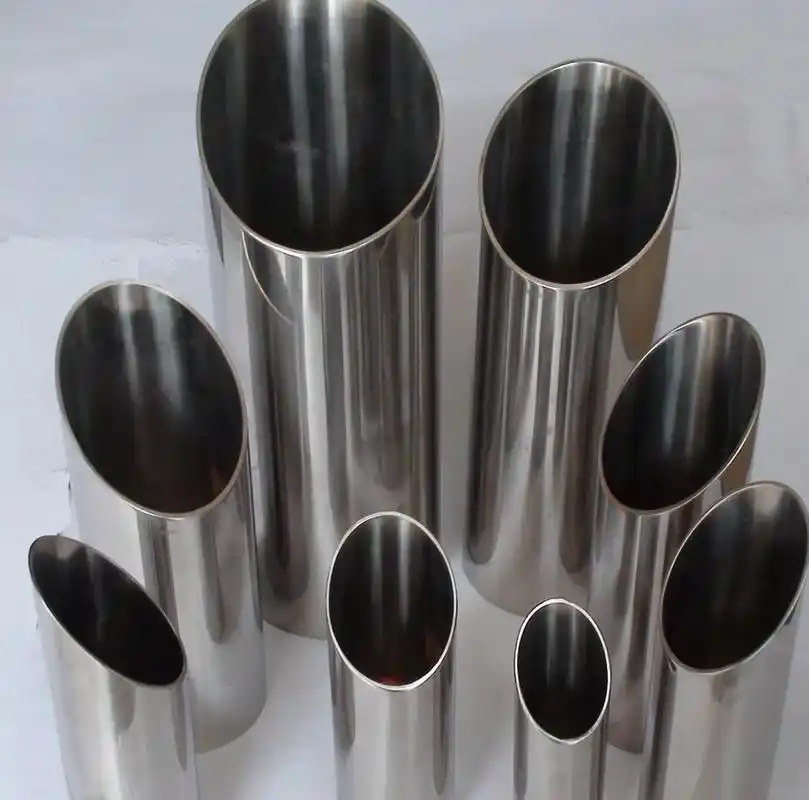
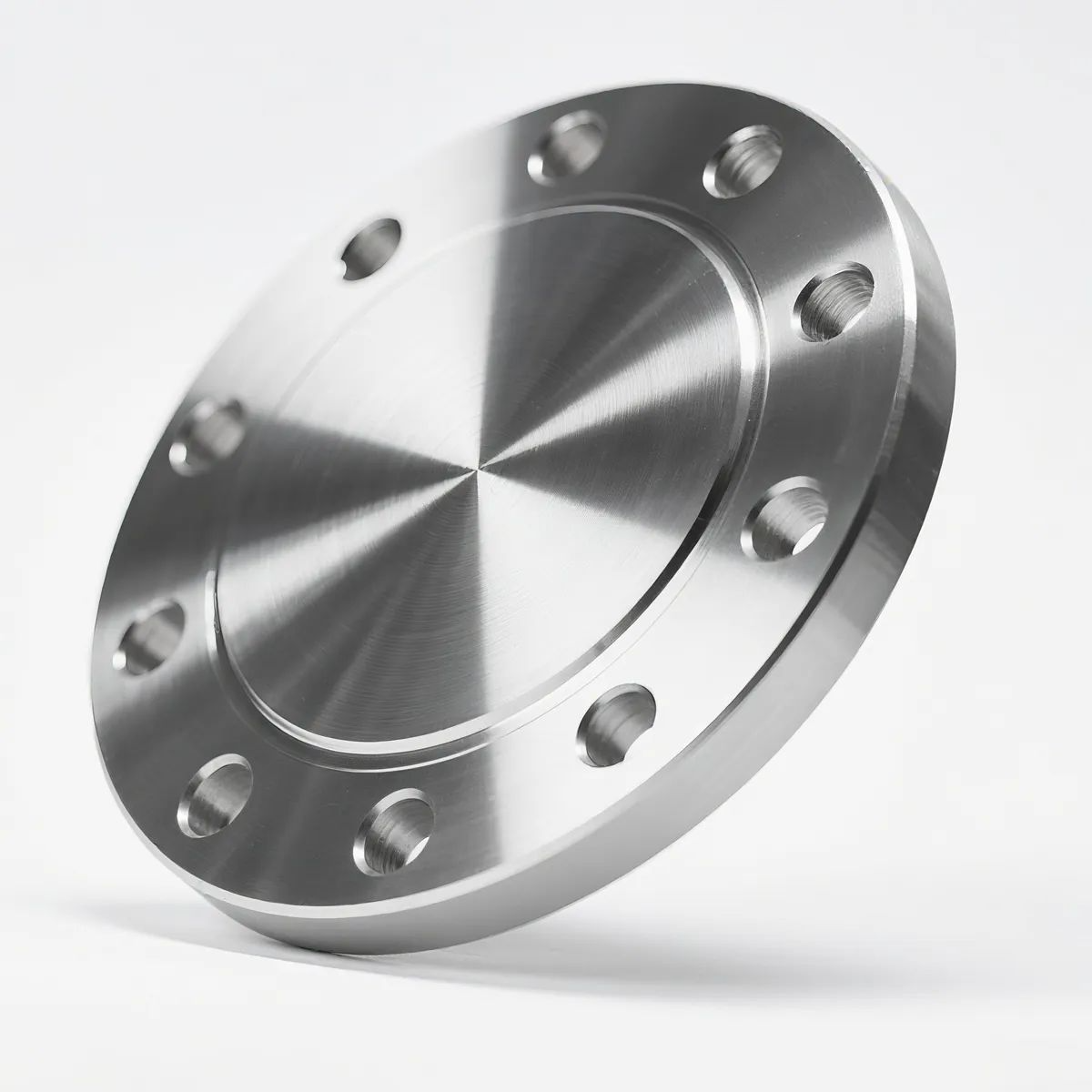
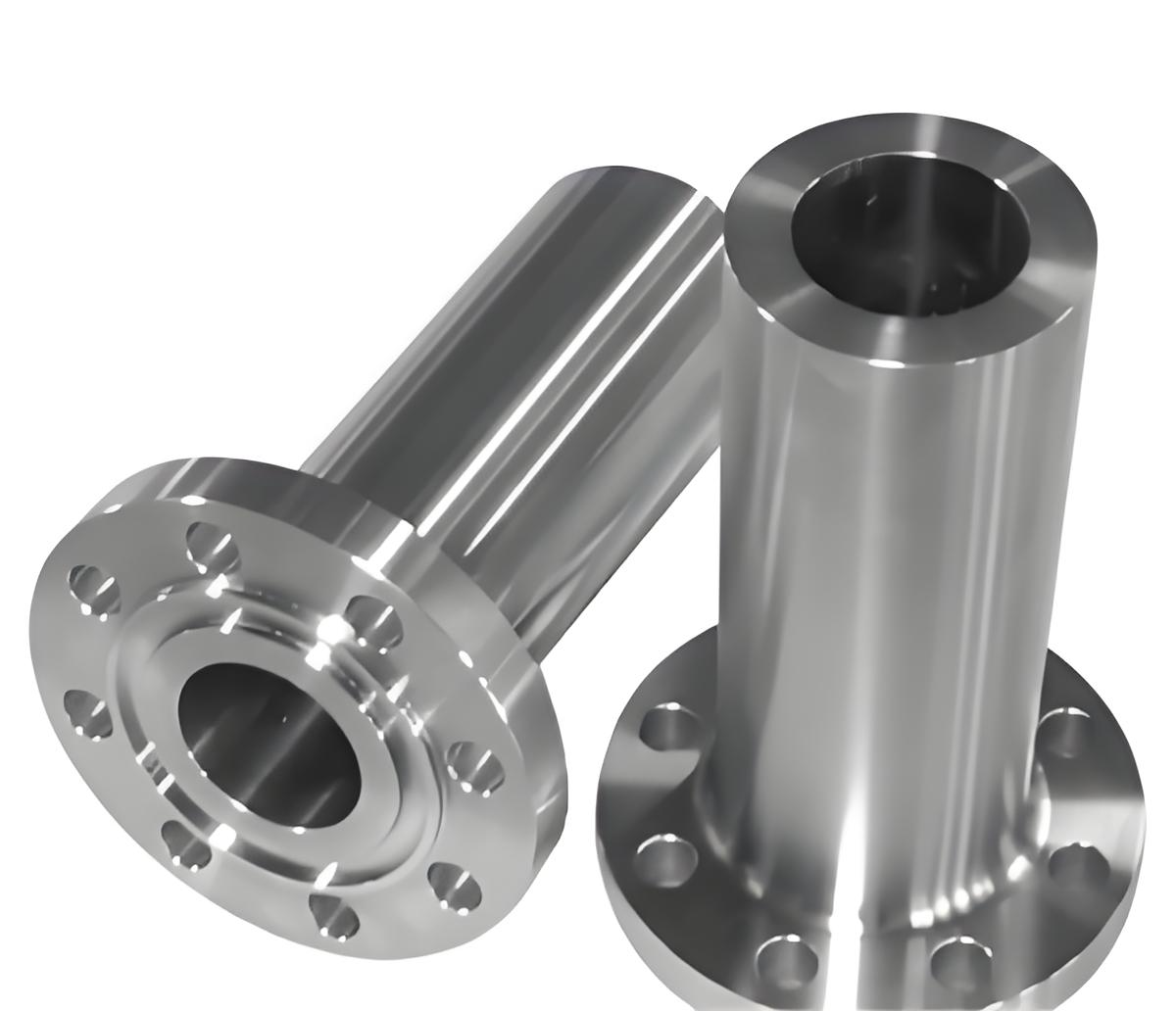
Why Choosing the Right Flange Is a Multi-Million-Dollar Decision: Lessons from Real-World Failures and Successes
Shanghai, 7 December 2025 – A single flange failure can cost anywhere from US$2 million to over US$500 million in direct losses, downtime, and environmental penalties. In an industry where margins are tight and safety is non-negotiable, selecting the correct flange is no longer a routine procurement task — it is a critical engineering and commercial decision.
Recent high-profile incidents continue to prove the point:
- 2023 North Sea FPSO incident – A single 24-inch Class 900 RTJ flange on an export gas line suffered stress corrosion cracking due to the wrong gasket (non-H₂S-resistant spiral-wound). The resulting leak forced a 47-day shutdown. Total cost: US$180 million (Wood Mackenzie estimate).
- 2024 Texas refinery fire – Incorrect use of ASME B16.5 Class 300 RF flanges (instead of Class 600) on a 450 °C hydrocracker line caused gasket blowout and flash fire. Direct damage and lost production: US$320 million (insurance claim data).
- 2022 LNG terminal in Europe – Mismatched EN 1092-1 PN100 vs. ASME B16.5 Class 600 bolt hole patterns delayed commissioning by 4 months and added €42 million in variation orders.
Conversely, companies that invest in proper flange selection routinely achieve 30-year zero-leak records and millions in saved maintenance.
Key Selection Parameters Backed by Numbers
- Pressure Rating & Safety Margin API 6A and ASME B16.34 require a minimum 1.5× safety factor on maximum allowable working pressure. In practice, major EPCs (Technip, Fluor, Saipem) now specify 2.0× margin for hydrogen and cyclic services after the 2021–2024 wave of fatigue failures.
- Sealing Face & Leak Rate Requirements
- Shell DEP 31.38.01.11 and TotalEnergies GS EP PVV 612 now mandate ISO 15848-1 Class AH (≤ 10⁻⁶ mg·s⁻¹·m⁻¹) or API 622 + API 624 qualification for fugitive emission control.
- In 2024, flanges meeting TA-Luft/VDI 2440 reduced VOC emissions by 98 % compared to standard RF spiral-wound gaskets on a German petrochemical complex (BASF public report).
- Material Selection – Real Corrosion Data
- In wet H₂S service, NACE MR0175/ISO 15156 limits Carbon Steel flanges to 22 HRC max. Yet 37 % of 2023 Middle East failures were traced to unmarked Chinese-origin A105 flanges exceeding 26 HRC (Aramco root-cause analysis).
- Duplex 2205 and super duplex 2507 flanges in seawater cooling systems show < 0.02 mm/year pitting rate vs. 0.8–1.2 mm/year for 316L (Equinor 15-year North Sea data).
- Standard Compatibility Nightmare A 2024 Middle East LNG project lost US$27 million when 1,200 pieces of ASME B16.47 Series A flanges were delivered instead of the specified Series B — bolt circle diameter difference of 50–120 mm made them unusable.
- Bolt & Gasket System Integrity
- 68 % of flange leaks in high-temperature services are caused by bolt relaxation (Boltight global survey 2023).
- Switching from ASTM A193 B7 to B16 or Inconel 718 bolts with controlled hydraulic tensioning increased time-between-overhaul from 4 to 12 years on a Saudi Aramco gas plant (SPE paper 214587-MS, 2024).
Emerging Demands Driven by Energy Transition
- Hydrogen projects (HyDeal, NEOM Green Hydrogen): 100 % of new 700–1000 barg lines specify Compact Flanges (NORSOK L-005, Vector SPO) or Grayloc/Taper-Lok connectors — 60 % weight reduction and zero reported leaks in 15 years of subsea service.
- Carbon Capture & Storage: 65 % of 2024–2025 CCS projects require flanges certified to ASME VIII Div. 2 fatigue analysis and API 6FB fire test.
- Offshore wind export cables: Subsea flanges now routinely rated to 5000 m water depth and 413 barg (TechnipFMC data).
Expert Recommendations That Save Money
- Perform pipe stress analysis (Caesar II/AutoPIPE) to calculate actual flange moment loads — never rely on “rule-of-thumb” equivalent pressure.
- Specify third-party witnessed Type Approval Tests (ISO 15848, API 6A PR2, Shell TAT) instead of mill certificates alone.
- Mandate hydraulic bolt tensioning with ±5 % accuracy and residual bolt stress monitoring via ultrasonics.
- Include a “Flange Management Procedure” in every project specification — companies that do so reduce flange-related delays by 85 % (McDermott internal study 2024).
As one veteran BP project manager put it: “A US$800 flange that fails can wipe out US$100 million in NPV. A US$8,000 engineered flange that never leaks will pay for itself a thousand times over.”
In today’s high-stakes industrial environment, the cheapest flange is almost never the lowest-cost flange. Choose wisely — your balance sheet and your safety record depend on it.