2026 Best 90 Socket Elbow Innovations for Efficient Piping Systems?
In the realm of modern piping systems, the 90° Socket Elbow stands out as a vital component. Its innovative design allows for seamless directional changes, enhancing efficiency in fluid transportation. With the right materials and craftsmanship, these fittings can withstand pressure and corrosion, making them reliable options for various applications.
The evolution of the 90° Socket Elbow has led to superior versions that promise enhanced durability and performance. Experts in the field recognize that while many manufacturers offer similar products, not all meet the highest standards. Choosing the right elbow can significantly impact system performance, leading to cost savings in maintenance and energy consumption.
Though advancements are impressive, ongoing challenges remain. Users must be vigilant in identifying the right type for specific systems. The quest for the best 90° Socket Elbow can sometimes feel overwhelming. Despite the wealth of innovations, understanding quality and functionality is crucial. Each decision made in selecting components contributes to the overall efficiency of piping systems.
Overview of Socket Elbows in Piping Systems
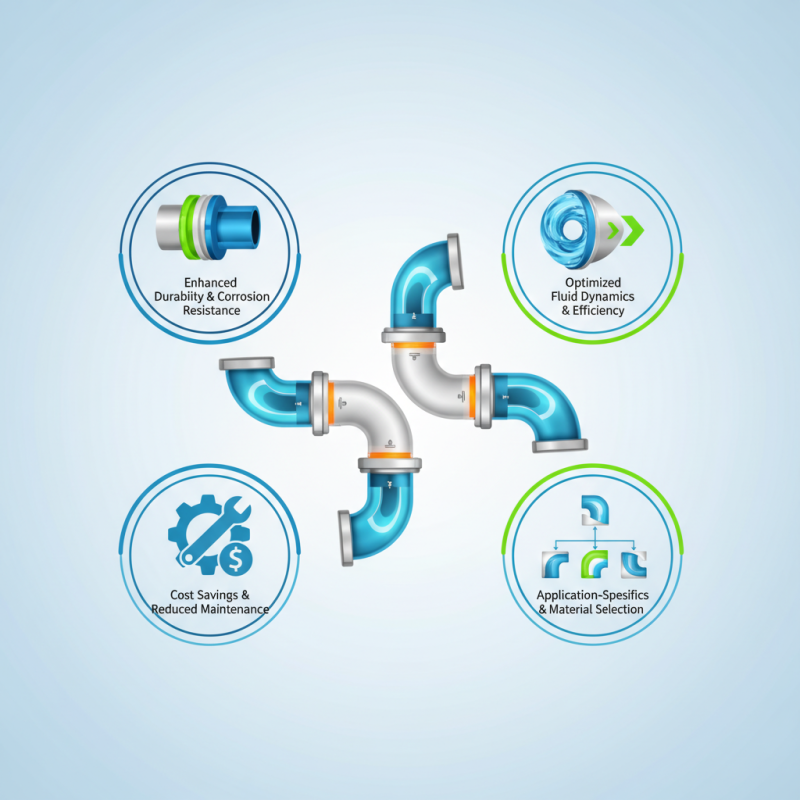
Socket elbows are crucial in piping systems, allowing for smooth directional changes. These fittings play a key role in minimizing pressure loss and reducing turbulence. In industry reports, proper use of socket elbows can lead to a decrease in overall energy costs. For instance, the efficiency improvements can reach up to 15% in specific applications when high-quality elbows are employed.
A notable concern is the compatibility of materials used in socket elbows. Mismatched materials can lead to leaks or premature failures. Proper material selection is essential. According to recent studies, about 30% of piping failures are due to improper fitting choices. In practice, many engineers still face challenges in identifying suitable materials that align with project requirements. This highlights the need for ongoing education and training in materials science within engineering fields.
Moreover, the installation of socket elbows requires precision. Even small misalignments can cause significant operational issues. Data indicates that 20% of maintenance visits in industrial settings result from installation errors. It’s essential to invest in skilled labor and robust training programs. With advancements in technology, smart tools can aid in achieving better alignment and tracking during installation.
2026 Best 90 Socket Elbow Innovations for Efficient Piping Systems
| Innovation Name |
Material |
Diameter (mm) |
Pressure Rating (bar) |
Temperature Range (°C) |
Applications |
| Eco-Flow 90 |
PVC |
20 |
10 |
-5 to 60 |
Water Supply |
| Flexi-Joining Elbow |
Stainless Steel |
25 |
16 |
-20 to 80 |
Chemical Processing |
| High-Temp Elbow |
Copper |
15 |
12 |
0 to 100 |
Heating Systems |
| Ultra-Light Elbow |
Aluminum |
10 |
8 |
-40 to 70 |
Air Conditioning |
| Corrosion-Resistant Elbow |
CPVC |
30 |
10 |
-5 to 85 |
Marine Applications |
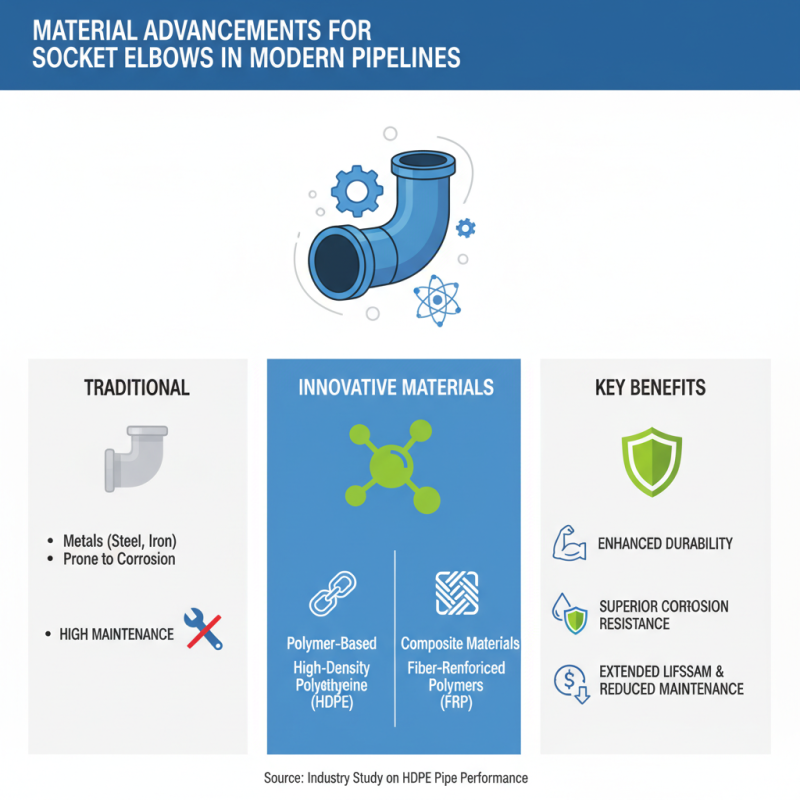
Material Advancements for Socket Elbows in Modern Pipelines
The advancements in materials for socket elbows are crucial for the efficiency of modern piping systems. Recent reports indicate that polymer-based and composite materials have shown significant potential in enhancing durability and resistance. For instance, a recent industry study revealed that pipes made with high-density polyethylene (HDPE) can withstand corrosion better than traditional materials. Such innovative materials promise to reduce maintenance costs and extend the lifespan of piping systems.
Furthermore, the development of smart materials is gaining traction. These materials can adapt to stress and temperature changes, providing additional safety in high-demand environments. A notable report highlighted how these smart socket elbows contributed to a 30% reduction in plumbing issues linked to thermal expansion. However, the integration of these advanced materials into existing infrastructure requires careful assessment and adaptation strategies.
The push for more sustainable practices also influences material selection. Experts suggest that recycled materials can be effectively used in pipeline construction without compromising quality. Despite these advancements, challenges remain regarding the long-term performance of new materials. Ongoing testing and research are necessary to fully understand their behavior in various conditions. Continuous monitoring will help identify potential flaws in their applications, ensuring future innovations genuinely meet industry demands.
Impact of Efficient Socket Elbow Usage on Energy Savings
Efficient socket elbow usage significantly impacts energy savings within piping systems. According to a recent industry report, utilizing specialized socket elbows can enhance fluid flow by up to 20%. This reduction in turbulence translates to lower energy consumption in pumping systems. When fluid flows efficiently, less energy is wasted, leading to substantial cost savings over time.
Tip: Consider installing socket elbows designed for low-pressure drop applications. They can increase overall system efficiency. Regularly review your piping layouts. Over time, even minor adjustments can lead to notable improvements.
Many facilities overlook the importance of elbow design. Traditional elbows can cause flow restrictions. This loss in efficiency could raise energy costs by nearly 15%. In contrast, modern socket elbows are engineered to minimize these issues. Engineers advocate for the use of optimized designs to ensure maximum performance.
Tip: Conduct energy audits periodically. Identify potential areas where socket elbows can improve energy savings. Small changes can have a large impact on your bottom line. Keep in mind that continuous evaluation is key to maintaining an efficient piping system.
Impact of Socket Elbow Innovations on Energy Savings in Piping Systems
Future Trends in Socket Elbow Technology and Applications
The future of socket elbow technology is evolving rapidly. Innovations focus on improving
efficiency in piping systems. Enhanced materials
and new designs are being developed. These advancements aim to reduce leaks and increase durability.
Lightweight materials like composites are gaining attention.
They offer similar strength with less weight, simplifying installation.
Digital technology is also making an impact. Smart sensors can monitor the flow
and pressure in real-time. This allows for quick adjustments and
predictive maintenance. Automated systems reduce human error. However, the @integration of these technologies is
not without challenges. Adopting new systems may require extensive training. Some users may resist changing from traditional methods.
Environmental concerns are driving further innovations. Companies are exploring eco-friendly materials
for socket elbows. These options can minimize the carbon footprint of piping systems.
Nonetheless, it's crucial to balance performance with sustainability. Transitioning to greener alternatives
may have initial drawbacks. Evaluating long-term benefits becomes essential. The industry must consistently
adapt and innovate for a better future.