
In 2026, global buyers are examining Tank Wall Manholes with greater care. These access points support inspection, cleaning, maintenance, and emergency response. They also influence tank hygiene, structural integrity, and long-term operating costs.
“An access manhole is never just a hole in the tank wall,” says Dr. Elena Marovic, a tank-access engineering specialist. “Its seal, geometry, and installation determine how safely the vessel can be inspected.” Her observation reflects a practical truth. Small design choices matter.
This guide explores the leading Tank Wall Manholes for international purchasing teams. It compares stainless steel grades, carbon steel options, flange designs, cover thickness, gasket materials, and surface finishes. It also considers pressure ratings, temperature limits, corrosion exposure, and cleaning requirements. Food, beverage, chemical, water, and industrial tanks need different solutions.
Look closely at the details. A polished interior may reduce residue collection. A reinforced neck can improve wall stability. A poorly selected gasket may soften, crack, or leak after repeated cleaning cycles. That mistake is expensive.
Certification and traceability deserve equal attention. Buyers should request material certificates, dimensional drawings, welding records, inspection data, and installation guidance. Regional standards may differ, so technical verification remains essential. Product photographs alone are not enough.
Some purchasing decisions still focus too heavily on price. That approach can fail. However, no single manhole design suits every tank, and even expert recommendations require review against actual service conditions. Wall thickness, access frequency, internal pressure, and maintenance practices should guide the final choice.
Reliable sourcing begins with evidence. It ends with a manhole that workers can trust.
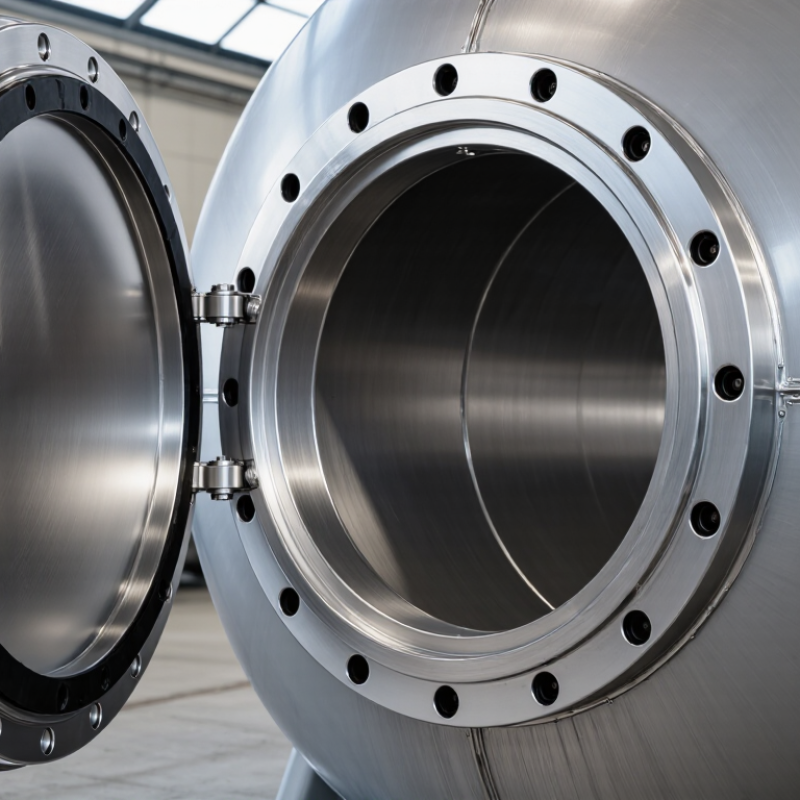
A tank wall manhole is a framed, sealed opening installed through a storage tank shell. It allows personnel to inspect, clean, repair, or remove internal equipment. Unlike a roof opening, it supports side access when the tank is partially filled or space is restricted. Its cover, gasket, hinges, and fasteners must match the stored medium, pressure conditions, and tank material.
The application range is broad. Water tanks use manholes for sediment removal and coating inspections. Chemical tanks require corrosion-resistant materials and carefully selected seals. Food and beverage vessels need smooth, cleanable surfaces that reduce product traps. The International Energy Agency’s Oil 2024 report projects oil demand near 105.4 million barrels per day by 2030. That demand keeps access design important across fuel storage and transfer facilities. Small details matter.
Agricultural storage also depends on safe internal access. The UN World Water Development Report 2024 notes that agriculture represents about 70% of global freshwater withdrawals. This helps explain the continued need for maintainable irrigation and process-water tanks. Buyers should verify opening diameter, shell reinforcement, bolt pattern, pressure rating, and inspection access before ordering. API 650 and API 653 provide widely used guidance for tank construction and inspection. However, standards do not replace site engineering. A specification can look complete and still overlook ladder clearance, gasket aging, or local climate exposure. That is where practical review matters.
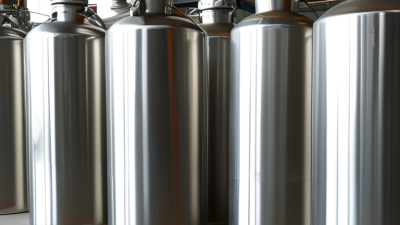
Tank wall manholes now favor safer access, better sealing, and easier inspection.
Flush-mounted designs suit flat tank walls and reduce external projections. Hinged covers support frequent maintenance and need less handling space.
Bolted covers remain practical for larger openings, especially where operators require controlled removal.
Roof manholes provide vertical access, but wall units are often safer during ground-level inspections. API 650 and EN 14015 remain key references for atmospheric storage tank design. Their requirements influence opening reinforcement, pressure limits, and fabrication quality.
Material selection depends on the stored medium, temperature, and cleaning routine.
Carbon steel offers strong value for general water, oil, and non-aggressive liquids. Stainless steel, especially 316L, better resists chlorides and repeated washing.
Duplex stainless steel can reduce thickness, but fabrication control becomes more demanding. FRP may suit certain corrosive environments, though impact resistance needs careful review.
AMPP’s IMPACT study estimated global corrosion costs near 3.4% of global GDP, showing why coating and gasket choices deserve attention. The 2024 World Steel in Figures report recorded about 1.9 billion tonnes of crude steel production in 2023, supporting broad carbon-steel availability worldwide.
Still, low price can mislead. I would question any specification that ignores gasket aging, drainage, or local lifting limits.
Small details matter.
Tank wall manholes are working safety equipment, not simple steel openings. Their design affects operator access, pressure control, cleaning, and long-term tank integrity. Global buyers should confirm the tank’s operating pressure, temperature, stored medium, and access frequency before comparing products.
A secure manhole needs a rigid cover, evenly loaded fasteners, and a gasket suited to the process fluid. Gasket compression matters. Too little compression can cause leakage, while excessive force may damage the sealing surface. Hinges, lifting arms, and handles should support safe movement without exposing workers to pinch points. Rounded edges and stable platforms also reduce handling injuries.
Small details matter.
Materials should match corrosion risks and cleaning chemicals. Welds require suitable inspection records, and pressure-rated assemblies need documented testing. Buyers should request dimensional drawings, material certificates, gasket data, and traceable inspection reports. Local regulations may also require specific relief, access, or sanitary provisions. One global specification rarely fits every installation.
Field checks often find mismatched bolt lengths or poorly aligned covers. These issues may appear minor, but they can reduce sealing reliability. Installation instructions should state torque values, gasket replacement intervals, and inspection steps. It is also wise to verify compatibility with the existing nozzle and reinforcement pad. A technically strong manhole can still fail when site measurements are incomplete.
Comparing tank wall manholes requires more than checking diameter and price. Start with the tank’s service conditions. Record the stored medium, design pressure, temperature range, and cleaning method. A 600 mm opening may suit routine inspection, while larger equipment requires more clearance. Measure the tank wall before selecting a frame. Small dimensional errors can create costly site modifications.
Material selection should match corrosion exposure and operating temperature. Carbon steel may serve dry, controlled environments, but stainless steel is often considered for aggressive or hygienic services. Check plate thickness, reinforcement details, weld quality, and surface treatment. Ask for material certificates and inspection records. Traceability matters.
Gasket performance deserves close attention. Confirm compatibility with the stored medium and the expected temperature cycle. Bolt layout should allow even compression without awkward tool access. Hinges, lifting aids, and internal guards can reduce handling risks during maintenance. Verify whether the cover opens inward or outward, especially where internal pressure may change.
I have seen projects compare only purchase prices, then overlook freight dimensions, spare gaskets, and installation labor. Review drawings, tolerances, and test procedures with the fabricator. Confirm applicable project standards and local engineering requirements before approval. Some assumptions will be wrong. Recheck them.
Clean access matters. So does drainage. Surface finish, dead spaces, and washdown access can affect long-term reliability, particularly in food, water, and chemical facilities. Request photographs of completed welds and a realistic maintenance sequence, not only polished product data.
For 2026 tank wall manholes, installation quality starts with load control, not appearance. Follow the tank designer’s drawings and applicable API 650 or AWWA D100 requirements. Check shell reinforcement, weld sequencing, gasket compression, and internal coating continuity. A misaligned cover can create leakage within months. Small detail, large consequence.
Maintenance should combine visual checks with measured evidence. Inspect hinges, bolting, flange faces, corrosion, coating blisters, and gasket hardness during every planned outage. Record torque values, wall thickness readings, and repair dates. The U.S. EPA’s 2024 Clean Watersheds Needs Survey estimates $630.1 billion in national wastewater infrastructure needs through 2041. That figure supports lifecycle planning, not cheap replacement decisions. API 653 inspection practices can help structure tank integrity reviews, although local engineering judgment remains essential.
Supplier evaluation needs more than a polished catalog. Request material certificates, weld procedures, pressure-test records, coating data, dimensional drawings, and traceable inspection reports. Confirm experience with the stored medium, design temperature, access clearance, and confined-space controls. ISO 9001 certification is useful, but it does not prove manhole performance. Ask for field references and failure-response times. I would also inspect sample hardware personally. Documents can look perfect. They sometimes are not.