
Inquiry
Leave Your Message

How to Choose a 90° Socket Elbow in 2026?

Choosing a 90°Socket Elbow in 2026 requires more than matching pipe diameter and connection type. Industrial projects now demand documented performance, traceable materials, and dependable installation results. Grand View Research reports continued growth in the global pipe fittings market, driven by oil and gas, chemical processing, water treatment, and building infrastructure. These sectors expose fittings to pressure, vibration, corrosion, and repeated temperature changes.

Standards provide the safer starting point. ASME B16.11 defines key requirements for forged socket-welding and threaded fittings, including dimensions, pressure ratings, and testing expectations. ASTM A105 remains widely referenced for forged carbon-steel components, while ASTM A182 covers many stainless-steel and alloy-steel applications. However, a standard alone does not guarantee suitability. Check the actual material certificate, heat number, wall thickness, pressure class, and manufacturer quality records.

Small details matter. A 2-inch elbow may look identical across suppliers, yet bore accuracy and socket depth can affect welding quality. The fitting should align without forcing the pipe. Its surface should show no cracks, deep laps, or rough machining marks. Corrosive service may require stainless steel, duplex steel, or a protective specification. High-temperature service needs careful review of strength loss and gasket compatibility.

A neat catalogue image can mislead. It has happened.

This guide explains how to compare a 90°Socket Elbow by material, schedule, pressure rating, standards, end connection, application risk, and supplier reliability. It also questions a common assumption: the lowest purchase price is rarely the lowest total cost. Industry reports offer useful direction, but project drawings, operating data, and qualified engineering review must control the final decision.
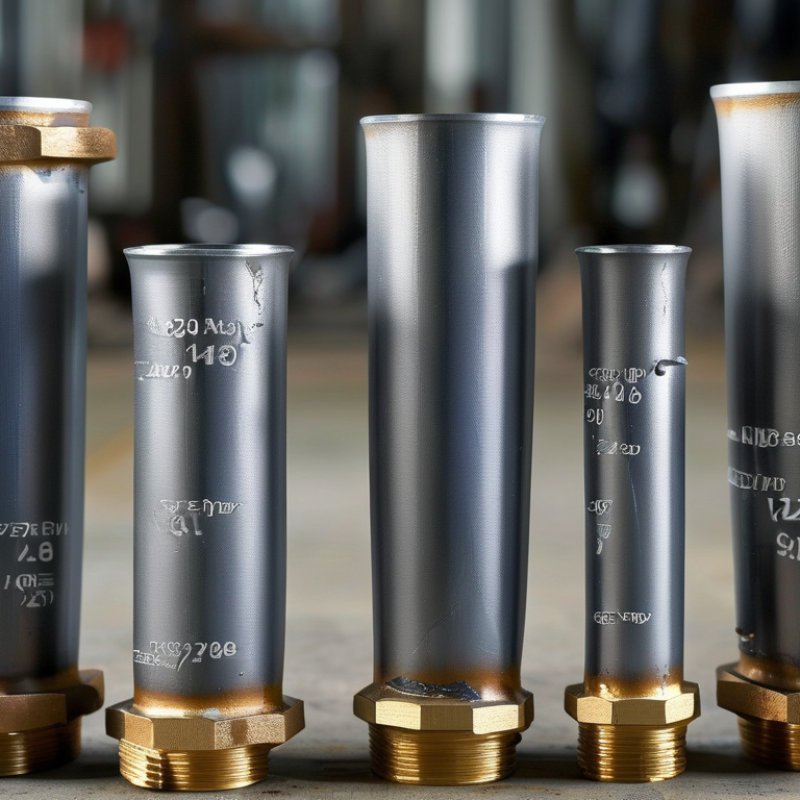
How to Choose a 90° Socket Elbow in 2026?

Define the Role and Basic Types of a 90° Socket Elbow

A 90° socket elbow redirects a pipe run through a right angle while keeping the joint compact. Its socket opening receives the pipe, and a weld secures the connection around the outside edge. This design suits tight layouts, instrument lines, utility piping, and process systems where alignment matters. It is not merely a corner fitting. The elbow also affects flow, access, inspection, and maintenance space.

The basic type is the equal socket elbow, with matching inlet and outlet sizes. It works well when the line diameter stays constant. A reducing socket elbow changes size at the turn. Use it only when the reduction matches the system design, not because it looks convenient. Some projects specify long-radius or short-radius geometry. Long-radius versions generally soften the turn and may reduce turbulence. Short-radius versions save space but can increase local flow disturbance. Material choices include carbon steel, stainless steel, and alloy steel. Selection depends on temperature, pressure, corrosion exposure, and joining procedure.

A common site lesson: compact is not always better. Before choosing one in 2026, verify the pipe outside diameter, wall thickness, pressure class, and applicable standard. Check socket depth and weld clearance against the installation drawing. Reliable inspection includes material certificates, dimensional checks, and visual examination of the finished weld. Poor alignment can create stress later. Do not ignore access for welding tools or future inspection. The best choice is sometimes less compact.
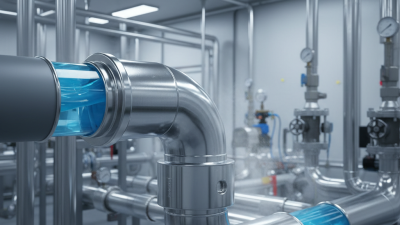
How to Choose a 90° Socket Elbow in 2026?

Define the role and basic types of a 90° socket elbow by matching the fitting to the pipe’s nominal size, outside diameter, pressure class and service conditions.

Role

A 90° socket elbow changes the direction of a pipe run by a right angle. The pipe is inserted into the fitting socket and joined by a fillet weld.

Basic Types

Common configurations include standard 90° elbows, reducing 90° elbows for different pipe sizes, and street elbows with one male threaded end.

Selection Rule

Select the nominal pipe size first, then confirm the matching outside diameter, pressure class, material, wall thickness, temperature and corrosion requirements.

The chart uses standard nominal pipe sizes and corresponding outside diameters commonly used for socket-weld fitting selection. Confirm final fitting dimensions and pressure ratings against the applicable piping and fitting standards.

Match the Elbow Material to Pressure, Temperature, and Fluid Conditions

Choosing a 90° socket elbow in 2026 starts with the fluid, not the fitting’s appearance. In field inspections, I have seen identical elbows perform differently in hot water and chemical service. Material selection controls corrosion resistance, pressure strength, and service life. It also affects welding practice and inspection requirements. A cheap fitting can become expensive after one unnoticed leak.

For clean water, carbon steel may suit moderate temperatures and protected systems. Stainless steel is often safer when moisture, oxygen, or mild chemicals create corrosion risks. High-temperature steam may require alloy steel with verified creep and pressure performance. Plastic elbows can work in selected low-temperature applications, but heat can reduce their pressure rating quickly. Check the manufacturer’s temperature derating data.

Pressure deserves equal attention. Do not select an elbow only by nominal pipe size. Confirm the pressure class, wall thickness, socket dimensions, and design temperature. Fluid velocity also matters, especially where erosion can thin the bend. Aggressive acids, chlorides, and hydrocarbons need a compatibility review. Ask for material certificates and applicable dimensional standards. I would also examine the weld area carefully, because poor fit-up can defeat excellent material. That detail is easy to underestimate. When conditions are uncertain, test data and a qualified engineer’s review are more reliable than a familiar material choice.

How to Choose a 90° Socket Elbow in 2026? — Match the Elbow Material to Pressure, Temperature, and Fluid Conditions

Elbow Material Common ASTM / ASME Material Specification Typical Temperature Range* Pressure-Class Suitability Suitable Fluid Conditions Main Selection Considerations
Carbon Steel ASTM A105 / ASME SA105 Approximately −29°C to 425°C
(−20°F to 800°F), depending on grade and code limits
Commonly used for ASME B16.11 Class 3000, 6000, and 9000 systems when the design temperature and allowable stress are suitable Water, air, steam, natural gas, hydraulic oil, and general non-corrosive hydrocarbons Economical and strong; protect against external corrosion and avoid wet, acidic, or chloride-rich services unless a suitable lining or corrosion allowance is provided
Low-Temperature Carbon Steel ASTM A350 LF2 / ASME SA350 LF2 Approximately −46°C to 425°C
(−51°F to 800°F), subject to design-code limits
Suitable for high-pressure socket-weld piping where low-temperature impact toughness is required; verify the selected Class 3000, 6000, or 9000 rating Cold hydrocarbon service, outdoor pipelines, low-temperature water, and gas systems Choose when ordinary carbon steel may become brittle at low temperature; confirm impact-test requirements and minimum design metal temperature
Austenitic Stainless Steel 304/304L ASTM A182 F304/F304L / ASME SA182 Approximately −196°C to 538°C
(−321°F to 1,000°F), with pressure derating at elevated temperature
Available for common high-pressure socket-weld classes; allowable pressure depends on temperature, wall thickness, and applicable code Clean water, air, cryogenic gases, mild chemicals, food-processing fluids, and many oxidizing environments Good general corrosion resistance; not the first choice for high-chloride environments or severe pitting conditions
Austenitic Stainless Steel 316/316L ASTM A182 F316/F316L / ASME SA182 Approximately −196°C to 538°C
(−321°F to 1,000°F), with pressure derating at elevated temperature
Suitable for high-pressure socket-weld systems when the selected pressure class and temperature rating are confirmed by calculation Salt-containing water, chemical solutions, pharmaceutical fluids, process water, and moderately corrosive hydrocarbons Molybdenum improves resistance to chlorides and pitting compared with 304/304L; severe chloride and crevice conditions still require engineering review
Chrome-Moly Alloy Steel ASTM A182 F11 or F22 / ASME SA182 Approximately −29°C to 593°C
(−20°F to 1,100°F), subject to grade and code limits
Commonly selected for high-temperature Class 3000, 6000, or 9000 piping after allowable-stress verification High-temperature steam, boiler feedwater, refinery service, and power-generation piping Better creep and elevated-temperature strength than carbon steel; welding requires qualified procedures and appropriate preheat, heat treatment, and inspection
Nickel Alloy ASTM B564 nickel-alloy forgings, grade selected for the service Often suitable from cryogenic temperatures to above 600°C
(1,112°F), depending on alloy and design code
Used for demanding high-pressure and high-temperature applications; pressure capability must be calculated for the exact alloy and temperature Strong acids, caustic solutions, seawater, sour service, high-temperature chemicals, and severe corrosion environments Provides specialized corrosion or heat resistance but has higher cost; select the alloy based on the exact chemical composition, concentration, and contaminants
Duplex Stainless Steel ASTM A182 F51 or F60 / ASME SA182 Approximately −50°C to 300°C
(−58°F to 572°F) for many services; avoid damaging exposure to excessive heat
Suitable for high-pressure socket-weld piping where high strength and chloride resistance are required Seawater, brine, offshore fluids, chloride-bearing process water, and selected sour-service applications High strength and strong resistance to chloride stress-corrosion cracking; welding and heat input must be carefully controlled
Titanium ASTM B381 titanium forgings, grade selected for the service Approximately −196°C to 315°C
(−321°F to 599°F), depending on grade and environment
Can be used in high-pressure systems when the exact grade, wall thickness, temperature, and code allowables are verified Seawater, wet chlorine-containing fluids, oxidizing chemicals, and selected high-purity process fluids Excellent resistance to seawater and many oxidizing media; avoid unsuitable reducing acids and check galvanic compatibility with adjoining metals
Selection note: Temperature ranges are typical guidance values, not guaranteed pressure-temperature ratings. Confirm the allowable pressure at the design temperature using the applicable piping code, such as ASME B16.11 and ASME B16.5, together with the material standard, wall thickness, corrosion allowance, weld procedure, and fluid-specific requirements. Socket-weld elbows should also be checked for bore size, branch geometry, inspection requirements, vibration, thermal cycling, and minimum design temperature.

Select the Correct Size, Schedule, and Socket Connection Standard

How to Choose a 90° Socket Elbow in 2026?

Choosing a 90° socket elbow starts with the pipe size, not the fitting appearance. Match the nominal pipe size, such as NPS 2 or DN50, with the project drawings. Then verify the actual outside diameter and socket bore. Small differences can create poor insertion depth or excessive welding gaps. Measure twice.

Schedule selection requires more care. Schedule 40, 80, and 160 describe pipe wall thickness, but they do not alone define the elbow’s pressure rating. Check operating pressure, temperature, corrosion allowance, and material compatibility. A thicker schedule may improve strength, yet it can increase cost and reduce internal flow. Do not automatically choose the heaviest option.

The socket connection standard must match the piping specification. ASME B16.11 is commonly used for forged socket-welding fittings, including dimensional and pressure requirements. Confirm whether the project requires Class 3000, 6000, or 9000 fittings. Check socket depth, bore alignment, end squareness, and heat-treatment records. Material certificates and inspection reports add useful reliability. One detail is often overlooked: the pipe and elbow may follow different material standards. Review both before welding. A qualified technician should also confirm the joint gap and procedure, because assumptions made during installation can become expensive repairs.

Compare Installation Methods, Flow Effects, and Space Requirements

How to Choose a 90° Socket Elbow in 2026?

A 90° socket elbow changes both installation access and fluid behavior. Socket-weld installation creates a compact joint with no external threads. It suits clean, permanent systems. Threaded installation is easier to inspect and replace, but it needs more clearance around the fitting. ASME B16.9 dimensional guidance shows that fitting geometry directly affects center-to-end space. Measure the pipe axis, not only the elbow body.

Flow loss deserves equal attention. The ASHRAE Handbook—Fundamentals lists local-loss coefficients for fittings, with sharp 90° turns generally creating more turbulence than long-radius designs. In practical sizing, a standard elbow may produce a loss coefficient near 0.3 to 1.0. Tight bends can exceed that range. Hydraulic Institute guidance also warns against placing elbows too close to pump inlets. Uneven velocity may increase vibration and measurement error. I would not select the smallest elbow automatically. It saves space, but the energy penalty can remain for years.

Tips: Check wrench access before installation. Leave room for insulation and future inspection. Compare the elbow’s internal radius, not its outside shape. Use the manufacturer’s tested loss data when available. If data is missing, treat the estimate as uncertain. That small gap matters. Allow straight pipe before sensitive flow meters. A compact layout looks efficient, yet it may be difficult to repair.

Verify Quality, Compatibility, Certification, and Long-Term Reliability

How to Choose a 90° Socket Elbow in 2026?

A 90° socket elbow must match the pipe system, not merely look well finished. Confirm nominal size, wall schedule, socket depth, material grade, and pressure-temperature rating. ASME B16.11 defines dimensional requirements for forged socket-weld fittings, but buyers should still compare drawings with actual inspection records. Small dimensional errors can create poor weld penetration or hidden stress.

Check the heat number on the fitting against its material test report. Look for chemical composition, tensile strength, yield strength, and heat-treatment results. ISO Survey 2022 recorded 1,265,216 ISO 9001 certificates worldwide, yet certification alone does not prove every batch is consistent. Ask for traceability, inspection plans, and non-destructive testing records. A polished certificate can still hide a poor fit.

Long-term reliability depends on service conditions. Match stainless, carbon steel, or alloy material with fluid chemistry, temperature, and corrosion exposure. The NACE IMPACT study estimated global corrosion costs at 3.4% of global GDP, showing why material selection deserves serious attention. Inspectors should also verify threads, weld areas, surface defects, and protective packaging. Do not ignore storage. Moisture can damage an otherwise compliant fitting before installation. One practical weakness remains: many purchasing checks stop at documents, while field performance depends on installation quality, alignment, and controlled welding.