Top 10 Benefits of Using 90 Degree Socket Elbow in Projects?
The use of a 90° Socket Elbow in various projects offers multiple advantages. This versatile plumbing fitting plays a crucial role in directing fluid flow. It allows for sharp turns in piping systems, which is essential in tight spaces. The design helps reduce pressure loss, making it a favorite among professionals.
Choosing the right materials for these fittings is vital. A reliable 90° Socket Elbow minimizes the risk of leaks and ensures longevity. It is essential to consider the compatibility with different pipe materials. This piece not only enhances functionality but also improves the overall efficiency of the system.
While the 90° Socket Elbow brings many benefits, one must be cautious. Poor installation can negate its advantages. Regular maintenance is necessary to fully enjoy its benefits. Mistakes in using this fitting can lead to inefficiencies. Reflecting on one’s approach to installation and maintenance is key in maximizing the potential of a 90° Socket Elbow.
Benefits of 90 Degree Socket Elbow in Plumbing Projects
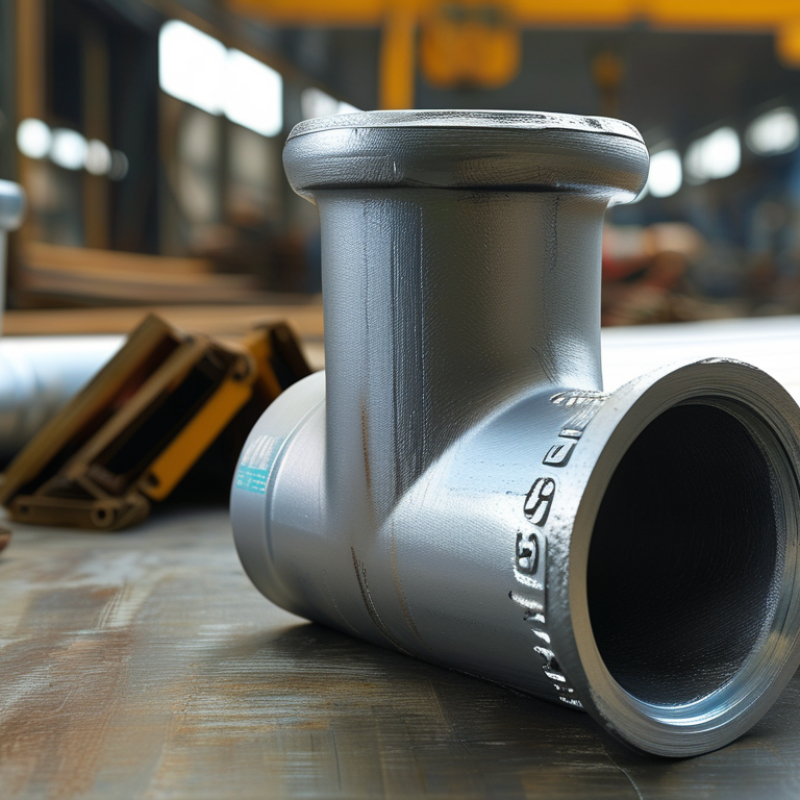
When it comes to plumbing projects, the use of a 90-degree socket elbow offers significant advantages that can enhance both functionality and efficiency. This fitting allows for smooth directional changes in piping systems, reducing the risk of clogs and blockages. The design facilitates water flow, ensuring that pressure remains consistent throughout the entire system. Additionally, a 90-degree elbow can simplify installations in tight spaces, making it easier to navigate complex plumbing layouts.
Another important benefit is the ease of assembly. Installers find that connecting a 90-degree socket elbow to various piping materials can be straightforward. This fitting typically accommodates different pipe types with ease, allowing for quick adjustments without extensive modifications. However, improper installation can lead to leaks. Attention to detail during setup is crucial for long-lasting connections.
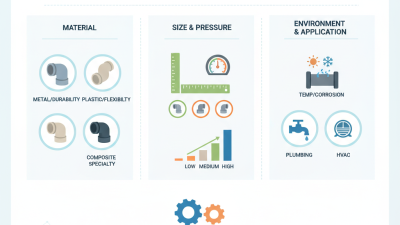
The durability of a 90-degree socket elbow also merits mention. Constructed from high-quality materials, these fittings resist corrosion and wear over time. This longevity can be a major plus for homeowners, as it reduces the need for frequent repairs or replacements. However, it’s essential to choose the right material for specific environments to maximize performance. While the benefits of using a 90-degree socket elbow in plumbing are clear, ensuring proper connection and material selection is vital to avoiding future issues.
Top 10 Benefits of Using 90 Degree Socket Elbow in Plumbing Projects
Effectiveness in Space Optimization and Design Flexibility
When it comes to optimizing space in design projects, 90-degree socket elbows offer significant advantages. Their unique shape allows for seamless connections and directional changes in piping systems. This is particularly useful in confined areas where straight-line designs can be impractical. Using these elbows can lead to better layout efficiency, ensuring that every inch of space is utilized effectively.
Another considerable benefit is the design flexibility they bring. When working on complex systems, it's often necessary to bend and redirect lines. The 90-degree elbow enables a smooth transition, reducing the risk of blockages. This flexibility not only enhances functionality but can also result in aesthetic improvements. Architects and engineers appreciate how they can integrate these elements into tight spaces without compromising the overall look.
However, careful considerations must be made regarding installation. Misalignment could lead to inefficiencies. It is crucial to ensure that each connection is secure and properly angled. A small oversight can create significant issues later. Evaluating the overall system design is essential to maximize the benefits of these fittings.
Enhanced Flow Efficiency and Reduced Pressure Loss
Using a 90-degree socket elbow in piping projects significantly enhances flow efficiency. The design allows fluid to change direction smoothly, which minimizes turbulence. This results in reduced pressure loss throughout the system. Less pressure loss means better performance and energy usage, especially in larger installations.
However, it is essential to consider proper installation. Incorrect angles can lead to complications. A poorly installed elbow can cause more turbulence, negating the advantages of its smooth design. Moreover, regular maintenance checks are important to ensure there are no leaks or buildup that could hinder flow efficiency.
It's also key to match the elbow size with the piping system. Using the wrong size affects flow rates. Inconsistent sizes create bottlenecks, leading to pressure spikes. Regularly assess project specifications to determine the best fit for the elbow. A little attention to detail can bring significant improvements in overall project outcomes.
Durability and Material Strength for Long-Term Use
When it comes to project efficiency, using a 90-degree socket elbow can significantly impact durability and material strength. Many industrial reports highlight that these components can withstand substantial pressure and stress. For instance, materials like PVC and CPVC offer excellent resistance to corrosion and temperature fluctuations, making them suitable for long-term use. Studies indicate that proper selection of these materials can enhance the lifespan of plumbing systems by up to 30%.
Durability plays a crucial role in project success. High-quality socket elbows can endure impacts and are less prone to cracking. Industry data shows that when subjected to extreme temperatures, these fittings maintain their integrity, unlike lower-grade materials. Additionally, the resistance to UV radiation found in certain materials also contributes to their extended service life. Reliable installations reduce maintenance costs and downtime, which can be critical in commercial applications.
However, the transition to higher-grade materials requires careful consideration. Overspending on premium components may not always yield proportional benefits. It's important to assess the specific project requirements and environmental conditions to ensure that the investment aligns with actual needs. Balancing material strength with cost-effectiveness is key for successful project management.
Top 10 Benefits of Using 90 Degree Socket Elbow in Projects
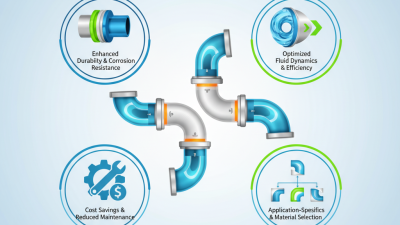
| Benefit |
Description |
| Durability |
90 degree socket elbows are made from materials that withstand heavy stress and environmental factors, ensuring they last over time. |
| Material Strength |
Constructed from high-strength materials, they can support various applications without deformation. |
| Efficiency |
The design allows for seamless transitions in piping, reducing friction and increasing flow efficiency. |
| Versatility |
Applicable in various industries including plumbing, HVAC, and automotive, adapting to different project needs. |
| Corrosion Resistance |
Special coatings and materials help resist corrosion, extending the lifespan of the installation. |
| Cost-Effective |
Reduces maintenance and replacement costs due to their longevity and reliability. |
| Ease of Installation |
Simple design makes them easy to install, saving time during project execution. |
| Space Saving |
Helps optimize installation space by allowing tight turns with minimal footprint. |
| Temperature Resistance |
Designed to handle a wide range of temperatures, making them suitable for various environments. |
Cost-Effectiveness in Installation and Maintenance
The use of 90-degree socket elbows in various projects offers notable cost-effectiveness. These components allow efficient redirection of pipes or ducts, minimizing the need for extensive alterations in your design. In turn, this can lead to lower labor costs since installation often requires less time. Additionally, fewer materials may be necessary. When projects adhere to budgets, clients appreciate the savings achieved through smart choices.
Maintenance is another vital aspect regarding cost-effectiveness. The design of a 90-degree elbow helps prevent blockages and wear in the connected systems. By choosing durable materials, these fittings can last longer and reduce the frequency of repairs. However, it’s essential to consider that poor installation or material misalignment can lead to leaks and complications. Regular inspections and occasional replacements might arise, but the overall savings from fewer major repairs remain significant.
Designers and engineers must constantly evaluate the trade-offs involved. While these fittings optimize space and costs, the initial investment should also be calculated carefully. Balancing upfront expenses with long-term savings ensures sustainable success. It is crucial to weigh these aspects attentively for effective project delivery. Investing in the right components today can pay dividends in the future.