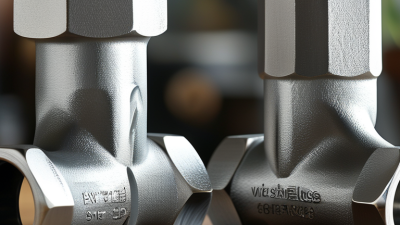
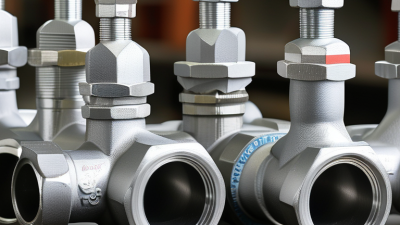
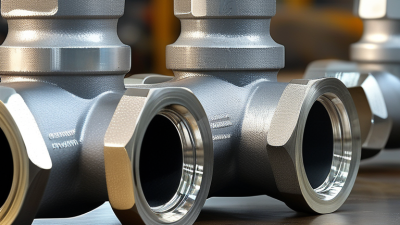
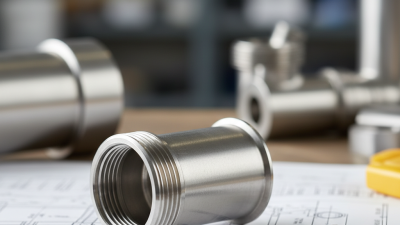
Top Quality Stainless Steel Reducing Tee for Global Buyers?
In the evolving landscape of industrial plumbing and piping, the demand for high-quality components like the Stainless Steel Reducing Tee is on the rise. According to a report by Market Research Future, the global stainless steel pipe market is projected to reach $80 billion by 2025. This surge highlights the growing reliance on durable materials in various industries, such as construction and manufacturing.
Industry expert John Simmons, CEO of Steel Innovations, emphasizes the significance of using top-grade stainless steel in these products. He stated, "Investing in high-quality components ensures longevity and efficiency." The Stainless Steel Reducing Tee stands out for its ability to connect pipes of different diameters seamlessly, making it essential for efficient design in systems.
However, not all products on the market meet these quality standards. Buyers must navigate a landscape where subpar materials can lead to costly repairs and failures. Thus, understanding the intricacies of the Stainless Steel Reducing Tee, including its certifications and specifications, becomes crucial for optimal selection.
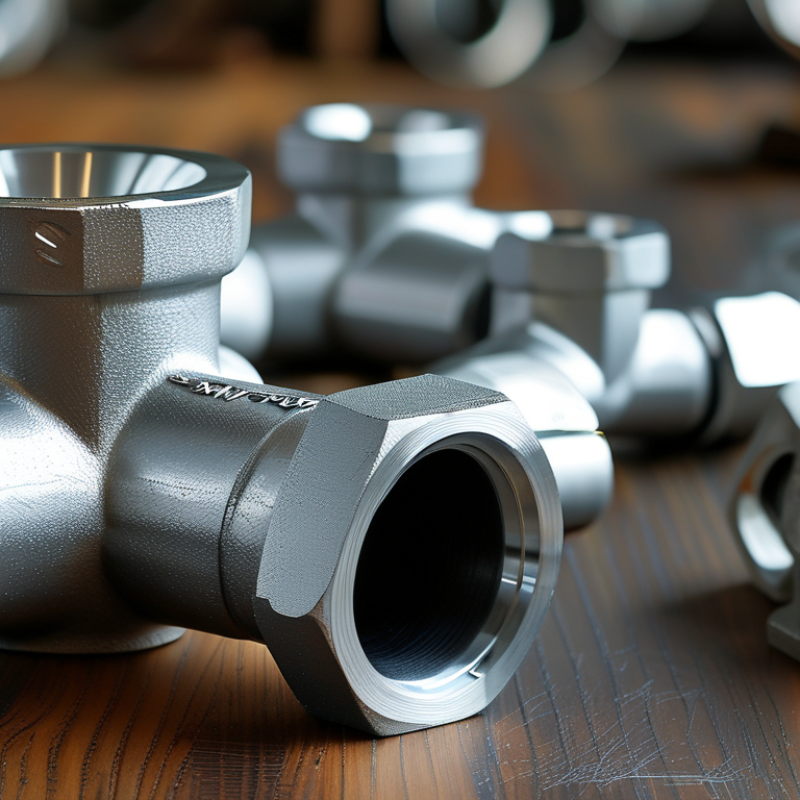
Top Quality Stainless Steel Reducing Tee: An Overview of Specifications
When considering a stainless steel reducing tee, specifications are crucial. These fittings typically come in various grades, with 304 and 316 being the most common. The selection often depends on the application environment. 304 stainless steel is suitable for moderate corrosion resistance, while 316 offers enhanced durability in hostile environments, particularly marine settings.
According to a market research report by Grand View Research, the global stainless steel pipe and fitting market was valued at approximately $20 billion in 2022. The demand for reducing tees is escalating. This growth is driven by industries such as oil and gas, construction, and manufacturing. Each of these sectors requires precise pipe fittings to ensure system efficiency.
However, quality can vary significantly among suppliers. Some manufacturers may overlook vital specifications such as wall thickness and pressure ratings. It's essential to verify compliance with industry standards. A well-made reducing tee will not only last longer but also prevent costly leaks and failures. Understanding the specific requirements of your project helps mitigate risks associated with inferior products.
Key Applications of Stainless Steel Reducing Tees in Various Industries
Stainless steel reducing tees play a vital role across various industries. In oil and gas, for instance, these fittings help manage fluid flow efficiently. According to a recent market report, the global stainless steel pipe fittings market is projected to reach USD 8.2 billion by 2025. This indicates a growing demand for quality components like reducing tees.
In the food and beverage sector, hygiene is crucial. Stainless steel’s corrosion resistance makes reducing tees a preferred choice. These fittings ensure that products remain uncontaminated during processing. Industry experts emphasize that reducing tees help minimize system pressure drops. This saves energy and enhances production efficiency.
However, the procurement process can be challenging. Sourcing quality reducing tees requires expertise. Not all suppliers meet the same standards. Variability in manufacturing can compromise performance. Buyers need to verify certifications and material quality. Ensuring compliance with industry standards may require extra diligence. Investing time in supplier relationships is essential for long-term benefits.
Material Standards and Grades for Stainless Steel Reducing Tees
Stainless steel reducing tees are critical in piping systems. They connect pipes of different diameters, ensuring efficient flow. Understanding the materials used in these tees is essential for global buyers.
When evaluating stainless steel reducing tees, material standards play a key role. Common grades include 304 and 316. Grade 304 is often used for its good corrosion resistance in mild environments. However, it may not perform well in harsh conditions. On the other hand, grade 316 offers better resistance to saltwater and chemicals.
Buyers should consider the specific application requirements. Each grade has unique properties that affect durability and performance. Getting the correct grade can prevent costly failures. Sometimes, it is beneficial to consult industry experts. They can provide insights and help choose the optimal material. Ultimately, understanding these details is vital for making informed purchasing decisions.
Market Trends and Demand Analysis for Stainless Steel Fittings
The market for stainless steel fittings, particularly reducing tees, has seen dynamic changes in recent years. Increased global construction activities have driven demand. Industries such as oil & gas, water treatment, and HVAC have underscored the necessity for high-quality components. As construction trends evolve, the need for durable and resilient materials remains crucial. Buyers must adapt to these market fluctuations and understand their specific requirements.
When selecting stainless steel fittings, pay attention to material grades. Different grades offer various levels of corrosion resistance and strength. Consider the environment where the fittings will be used. High-temperature systems may require different materials than standard applications. Additionally, the manufacturing processes significantly influence the quality of reducing tees. Optimal welding techniques enhance structural integrity, so value suppliers who prioritize these methods.
Ensure to evaluate suppliers' certifications and quality control measures. Genuine expertise in stainless steel manufacturing leads to better decisions. Engage with industry forums or webinars to stay informed about advancements and best practices. Yet, it's vital to reflect on how your choices impact the environment and the community. Sustainable sourcing can contribute positively to society while meeting your production needs.
Quality Control Measures in the Manufacturing of Reducing Tees
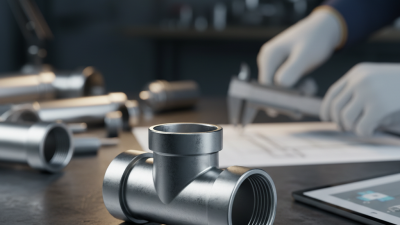
Quality control is crucial in manufacturing reducing tees. Each stage of production demands rigorous assessment to ensure product integrity. From raw materials to final assembly, every detail counts. Steel grades must meet strict standards. Subpar materials can weaken the final product and lead to failures.
Manufacturers employ various techniques to monitor quality. Visual inspections happen frequently throughout the process. Automated systems often track measurements. While technology aids inspection, human judgment is irreplaceable. Workers must be trained to recognize defects that machines may miss. However, relying solely on automation can lead to oversight.
Feedback loops are necessary for continuous improvement. Manufacturers must analyze failures to enhance processes. Even common issues can reveal deeper flaws in production. It’s essential to foster a culture of accountability and trust among teams. Mistakes should be seen as opportunities to learn, not reasons for punishment. This reflective approach keeps quality at the forefront of reducing tee production.