Top 10 Applications of Stainless Steel Reducing Tee in Various Industries
In various industries, the Stainless Steel Reducing Tee plays a crucial role. This component connects pipes of different diameters, ensuring efficient fluid transportation. According to a report by the International Stainless Steel Forum (ISSF), stainless steel usage has increased 4% annually over the past decade, reflecting its rising importance in construction, automotive, and oil sectors. The versatility of Stainless Steel Reducing Tees enhances the safety and performance of plumbing and piping systems.
Moreover, stainless steel has a corrosion resistance rate of over 80%, as noted by the Nickel Institute. This quality greatly prolongs the lifespan of fittings like the Stainless Steel Reducing Tee. However, not all applications maximize its potential. Some installations overlook proper sealing and alignment, leading to leaks and system failures. Industry professionals must address these issues through better training and practices. As businesses strive for higher efficiency, understanding the optimal use of Stainless Steel Reducing Tees becomes essential for success. The importance of innovation in this area cannot be underestimated, as proper application can lead to significant cost savings.
Overview of Stainless Steel Reducing Tee and Its Importance
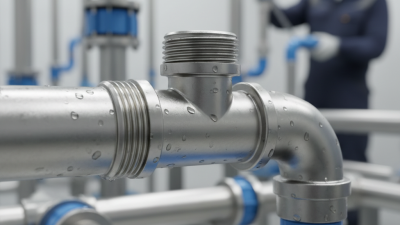
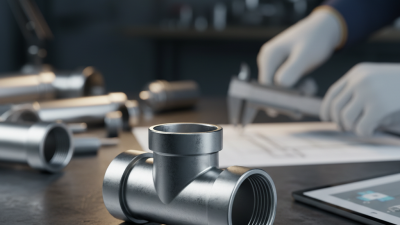
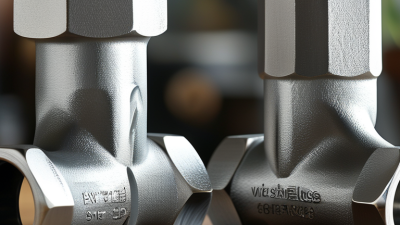
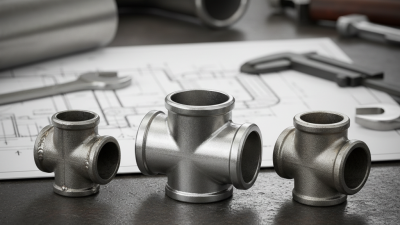
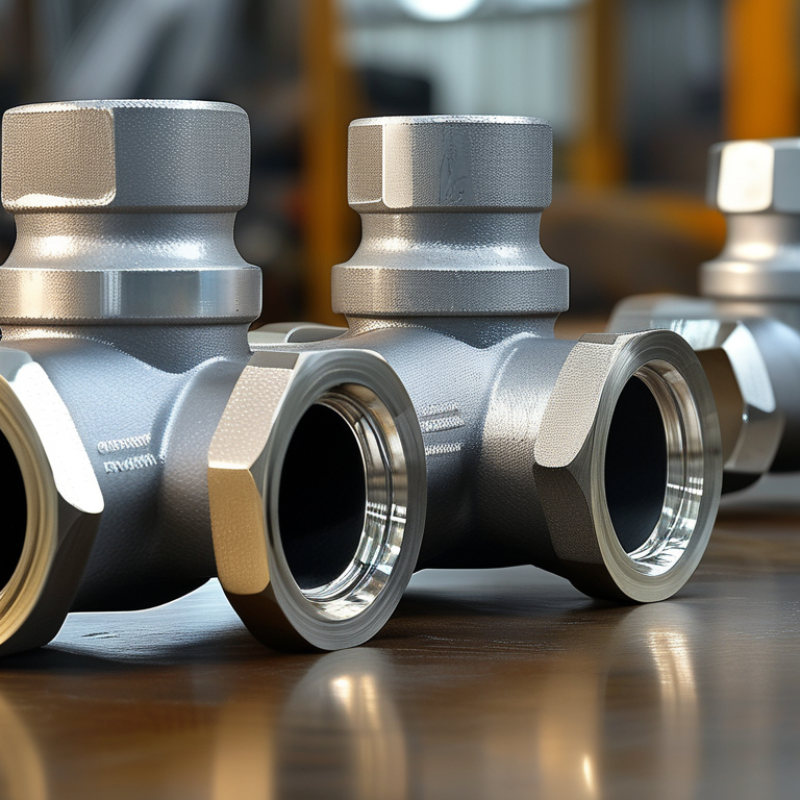
Stainless steel reducing tees are essential fittings in many industries. They play a critical role in piping systems by allowing seamless transitions between different pipe sizes. These components ensure efficient fluid flow and help maintain pressure within systems. Their durability and resistance to corrosion make them particularly valuable in harsh environments.
In sectors like oil and gas, the integrity of piping systems is vital. A small leak can lead to significant safety risks and costly downtimes. Stainless steel reducing tees provide reliable connections, ensuring systems operate smoothly and efficiently. Their use extends into food processing, where hygiene standards are paramount. These tees are easy to clean and do not harbor bacteria, ensuring compliance with health regulations.
However, proper installation and maintenance are crucial. Inadequate fitting can lead to leaks, compromising safety and efficiency. Training for technicians is essential, yet not always prioritized. Regular inspections can help identify potential issues early on. This focus on improvement can prevent failures and enhance the longevity of the equipment. Thus, the importance of stainless steel reducing tees cannot be understated in various industry applications.
Key Industries Utilizing Stainless Steel Reducing Tee
Stainless steel reducing tees are vital components in various sectors. They play a crucial role in the oil and gas industry, especially in pipeline systems. These tees allow for the efficient branching of pipelines, minimizing flow restrictions. According to recent industry studies, the global demand for stainless steel fittings is projected to reach approximately 5 billion USD by 2025. This growth underscores their importance in modern infrastructure.
The chemical processing industry also greatly benefits from stainless steel reducing tees. They are used in high-pressure and corrosive environments, where material durability is non-negotiable. Reports indicate that nearly 30% of stainless steel is utilized in chemical applications. The high resistance to corrosion and excellent mechanical properties of stainless steel make these tees an ideal option.
Tips: Always consider the specific requirements of your project. Material selection can impact system efficiency. Regular inspections are key to maintaining longevity and performance. Testing for compatibility with your fluids is crucial to avoid failures. These factors contribute to the reliability of your systems, ultimately leading to cost savings.
Applications in Plumbing and Water Supply Systems
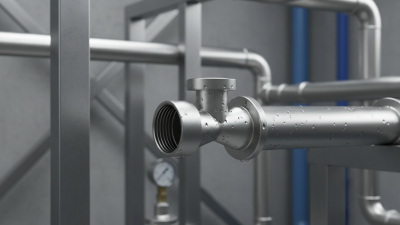
Stainless steel reducing tees are crucial in plumbing and water supply systems. They help connect pipes of different diameters. This connection is vital for maintaining efficient flow rates and pressure. According to the Plumbing and Mechanical Services Industry Association, improper connections can lead to 30% efficiency losses in water management systems.
Using stainless steel provides durability and resistance to corrosion. In aggressive water environments, these benefits are significant. Research shows that stainless steel can resist corrosion up to twice as long as other materials. This longevity can translate into lower maintenance costs. However, many industries still overlook the importance of quality fittings.
One challenge is the cost barrier associated with stainless steel products. Some industries prefer cheaper alternatives, jeopardizing system integrity. Insufficient upfront investment can lead to larger expenses down the line. This reality often leads to a cycle of underestimating the importance of material choice. It's a gap that requires more industry awareness and education.
Top 10 Applications of Stainless Steel Reducing Tee in Plumbing and Water Supply Systems
This chart illustrates the diverse applications of stainless steel reducing tees across various plumbing and water supply systems. The data reflects the utilization percentage of reducing tees within different industry sectors.
Role in Chemical Processing and Manufacturing
Stainless steel reducing tees play a pivotal role in the chemical processing and manufacturing industries. These components are crucial for efficiently redirecting fluid flow in complex piping systems. Their resistance to corrosion and high temperatures makes them ideal for handling aggressive chemicals and extreme conditions. According to a recent report by the Global Stainless Steel Market, the demand for stainless steel products in chemical manufacturing is projected to grow by 5% annually over the next five years.
In chemical processing, reducing tees are often employed in applications such as mixing, splitting, and diverting flows. Their ability to maintain structural integrity even under high pressure is vital. For instance, in petrochemical plants, these fittings ensure safe transportation of fuels and other volatile substances. The right choice of material can significantly improve efficiency and reduce downtime in manufacturing processes.
**Tip:** Always assess the chemical compatibility of stainless steel grades with your specific applications. Not all stainless steels perform equally in all environments.
When employing reducing tees, it’s essential to account for potential weak points in the system. Improper installation or subpar material selection can lead to costly leaks or failures. Industry experts recommend regular inspections and maintenance to identify issues early on.
**Tip:** Consider investing in training for your maintenance team. Knowledgeable staff can help mitigate risks associated with malfunctions.
Top 10 Applications of Stainless Steel Reducing Tee in Various Industries - Role in Chemical Processing and Manufacturing
| Application Area |
Industry |
Key Benefits |
Typical Size Range (inches) |
| Fluid Distribution |
Chemical Processing |
Efficient Flow Management |
1/2 - 6 |
| Water Treatment Systems |
Water and Wastewater |
Corrosion Resistance |
1 - 4 |
| Gas Distribution |
Oil and Gas |
Durability and Strength |
1/2 - 12 |
| Steam and Condensate Management |
Power Generation |
High-Temperature Performance |
1/2 - 8 |
| Chemical Mixing |
Pharmaceutical |
Hygienic Properties |
1 - 6 |
| Hydraulic Systems |
Manufacturing |
Reliable Performance |
1/2 - 4 |
| Cooling Systems |
HVAC |
Temperature Control |
1 - 10 |
| Pressure Vessel Applications |
Food Processing |
Safety and Compliance |
2 - 10 |
| Piping Systems |
Construction |
Versatile Applications |
1/2 - 12 |
| Chemical Transfer |
Mining |
Chemical Resistance |
1 - 6 |
Contribution to Oil and Gas Exploration and Distribution
The oil and gas industry heavily relies on stainless steel reducing tees for its operations. These fittings play a crucial role in efficiently connecting pipes of different diameters. They help in maintaining the integrity of high-pressure systems. The robust nature of stainless steel ensures longevity and resistance to corrosion, which is vital in harsh environments.
In oil exploration, reducing tees are used in various formations, ensuring secure flow paths. Their design allows the seamless transition between different pipe sizes, enhancing productivity. However, installation can be tricky. Proper alignment and welding techniques must be employed to prevent leaks. Over time, wear and tear can compromise connections, signaling the need for regular maintenance.
Moreover, the transition from traditional steel to stainless steel brings challenges. While the latter offers superior durability, it can pose issues during initial setup phases. Technicians need training to handle stainless steel components effectively. The installation process must be critically evaluated. Without proper protocols, these fittings can underperform, affecting overall operational efficiency. Ultimately, careful consideration is necessary to maximize the benefits of stainless steel reducing tees in the oil and gas sector.