Top 5 Tips for Choosing Stainless Steel Reducing Tee?
Choosing the right Stainless Steel Reducing Tee is crucial for any piping project. Expert engineer Julia Marks emphasizes, "A well-selected tee can prevent future pipeline issues." With countless options available, making an informed decision is essential.
Quality, durability, and compatibility are key factors to consider. Stainless Steel Reducing Tees are known for their corrosion resistance, making them ideal for a variety of applications. However, not all tees are created equal. Understanding specifications can be daunting, yet essential for long-term performance.
In this evolving industry, mistakes can cost time and money. Many overlook details like size compatibility or pressure ratings. Reflecting on these aspects can lead to better choices. By applying expert suggestions, you enhance the efficacy of your piping system.
Understanding the Functionality of Stainless Steel Reducing Tees in Piping Systems
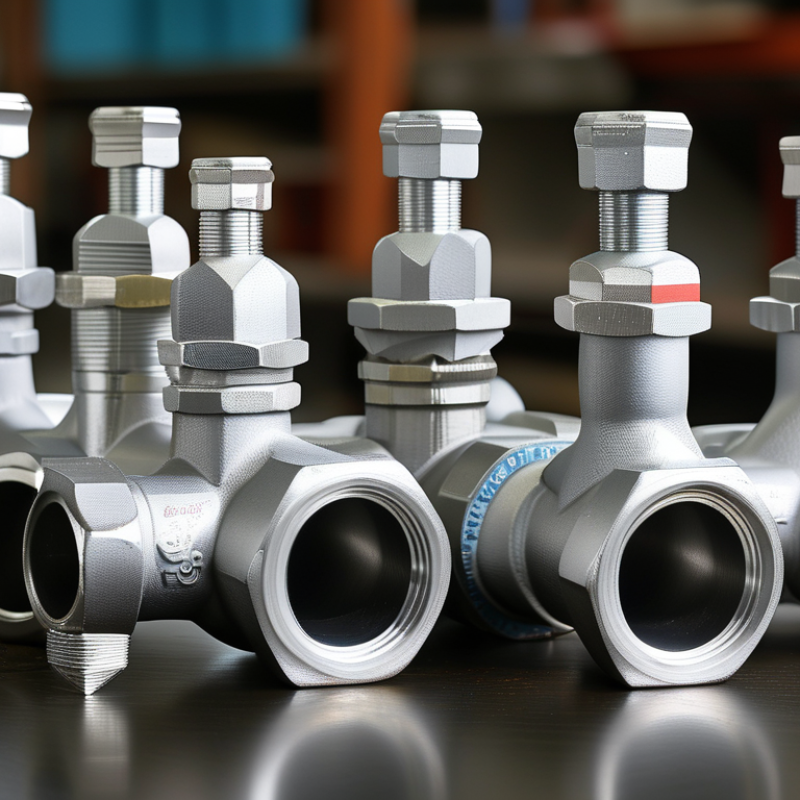
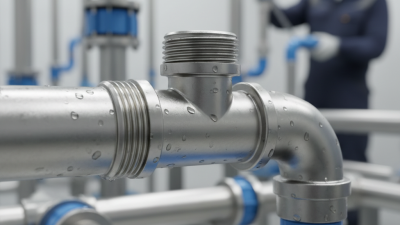
Stainless steel reducing tees play a vital role in piping systems. They connect pipes of different diameters, ensuring fluid flow remains efficient. These fittings are particularly useful in complex systems where space is limited. When selecting a reducing tee, understanding its functionality is crucial. Proper flow dynamics can prevent pressure drops, which are common in inefficient designs.
Choosing the right size is not always straightforward. A mismatch can lead to turbulence or blockage. It's essential to calculate the flow requirements accurately. Consider the pipe materials as well. Stainless steel provides durability and corrosion resistance, but that doesn't mean all grades are equal. Certain environments may require specific types to ensure longevity.
While aesthetics might seem less important, they can influence practical decisions. Some may overlook the impact of rough surfaces or sharp edges. These features can affect flow rates. Regular assessments of installed tees help identify wear or performance issues. Learning from previous choices can lead to better outcomes in future projects.
Key Material Properties of Stainless Steel for Durability and Performance
When considering stainless steel reducing tees, understanding key material properties is essential for durability and performance. Stainless steel resists corrosion, provides strength, and ensures longevity, making it a top choice in various applications. According to the International Stainless Steel Forum, high corrosion resistance is one of the standout features, especially in environments exposed to moisture and chemicals.
Choosing the right stainless steel grade is critical. AISI 304 and 316 are commonly used. AISI 316 offers enhanced protection against chlorides, making it ideal for marine applications. Moreover, high tensile strength ensures that the fitting can withstand high pressure situations. The material’s ability to handle temperature extremes also bolsters its reliability. Users should consider the specific environment in which the reducing tee will operate.
Tip: Always check the manufacturer's certifications. This ensures the material's integrity. A certified product often meets industry standards.
Another tip: Assess your application’s needs carefully. Will it be exposed to harsh weather or chemicals? Such factors determine the appropriate stainless steel grade to choose. Remember, not every stainless steel is equal. Prioritize both quality and the specific traits your project demands for optimal performance.
Evaluating Sizing Considerations for Effective Fluid Flow in Reducing Tees
When choosing a stainless steel reducing tee, sizing concerns are vital for supporting fluid flow. The diameter differences between the inlet and outlet significantly impact how smoothly fluids move. A properly sized reducing tee ensures that the pressure drop remains minimal. If the tee is too small, it can create turbulence. This turbulence may lead to energy loss and inefficiencies in the system.
Fluid dynamics should guide your sizing decisions. Consider the flow rate and the type of fluid. For example, thicker liquids require more space. A common error is choosing a tee based solely on nominal pipe size, overlooking actual flow needs. It's crucial to evaluate both the viscosity and temperature of the fluid. Higher temperatures can affect fluid behavior, necessitating a reevaluation of your sizing.
Moreover, be mindful of installation conditions. Space constraints may limit your options, yet compromising on size can lead to larger issues down the road. Regular maintenance and observation of fluid flow can help catch sizing issues early. Understanding how these details fit together is key to long-term efficiency and reliability.
Industry Standards and Certifications Relevant to Stainless Steel Reducing Tees
When selecting a stainless steel reducing tee, understanding industry standards is crucial. Look for certifications that verify the material's quality and safety. Common standards include ASTM, ASME, and ISO guidelines. These certifications ensure the product meets specific mechanical and chemical properties.
It's essential to check if the reducing tee complies with local and international regulations. This compliance guarantees reliability in various applications. Many manufacturers undergo rigorous testing to earn these certifications. However, not all products on the market adhere to these standards. Researching and verifying suppliers can save time and resources.
Moreover, consider the grade of stainless steel used. Different grades have different corrosion resistance and durability. For example, 304 stainless steel is common but may not suit all environments. Real-life applications often reveal unexpected challenges. Decisions based solely on cost may lead to failures down the line. Trust in material specifications can mitigate risks significantly. Always ensure your choices reflect both quality and compliance.
Top 5 Tips for Choosing Stainless Steel Reducing Tee
| Tip |
Detail |
Industry Standards |
Certifications |
| 1. Material Quality |
Choose high-grade stainless steel for durability. |
ASTM A312, ASTM A403 |
ISO 9001 |
| 2. Size Compatibility |
Ensure the reducing tee fits the piping system precisely. |
ANSI/ASME B16.9 |
PED (Pressure Equipment Directive) |
| 3. Corrosion Resistance |
Select stainless steel with good corrosion resistance ratings. |
ASTM A240 |
NACE MR0175 |
| 4. Pressure Rating |
Ensure the tee can withstand the pressure of the application. |
ASME B31.1, ASME B31.3 |
CE Marking |
| 5. Manufacturing Process |
Consider the fabrication and welding techniques used. |
ISO 15614 |
ABS Certification |
Cost-Effectiveness and Maintenance Factors in Choosing Reducing Tees
When choosing stainless steel reducing tees, cost-effectiveness is a key consideration. Reducing tees come in various grades and finishes, influencing their pricing. Higher-grade stainless steel often resists corrosion better. However, these materials may come with a higher upfront cost. It’s vital to evaluate your specific project needs before making a decision. A cheaper option may lead to increased maintenance down the line.
Maintenance is another critical factor. Stainless steel generally requires less upkeep than other materials. Yet, different environments can impact this. In coastal areas, for example, marine-grade stainless steel is essential to combat salty air. Regular inspections help identify early signs of wear or corrosion. Ignoring these could lead to costly repairs later. Selecting the right reducing tee for your application involves balancing costs with long-term performance.
Cost-Effectiveness and Maintenance Factors in Choosing Stainless Steel Reducing Tees