2026 Top Welding Flanges Guide for Global Buyers?
Welding flanges play a crucial role in various industries. They ensure airtight and secure connections in piping systems. As global demand for efficient and durable materials rises, understanding welding flanges becomes essential for buyers.
In 2026, the market for welding flanges is evolving rapidly. Quality and precision are vital. Buyers must consider different materials and specifications tailored to their unique needs. An informed choice can lead to better performance and reduced costs.
However, not all suppliers provide the same quality. Researching and verifying background information on manufacturers is necessary. It’s crucial to align your project requirements with the best choices available. Making the right decision will influence long-term success in your operations.
Understanding Welding Flanges: Types and Applications
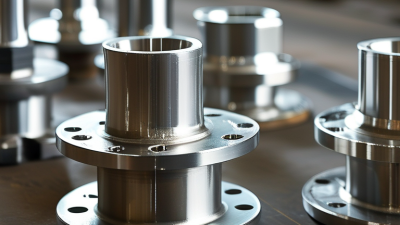
Welding flanges play a crucial role in various industries, connecting pipes, valves, and other equipment. There are multiple types of welding flanges, each tailored for specific applications. The most common types include slip-on, blind, and weld neck flanges. Slip-on flanges are easy to install and provide a reliable seal, making them ideal for low-pressure systems. On the other hand, blind flanges are useful for closing off piping ends and preventing leaks.
Applications of welding flanges are vast, spanning sectors like oil and gas, water treatment, and manufacturing. In oil and gas, flanges ensure safe transport of fluids under high pressure. In water treatment, they connect tanks and valves, maintaining the integrity of the system. Each application requires specific materials and standards to meet safety and efficiency needs.
However, it is essential to note that improper installation can lead to failures. Even qualified professionals sometimes overlook critical factors like flange alignment and torque specifications. Reflecting on past mistakes can provide valuable lessons for future projects. Industry standards are there to guide, yet local conditions may require unique adjustments. Adapting to these variables is key for success.
Key Factors in Selecting the Right Welding Flanges
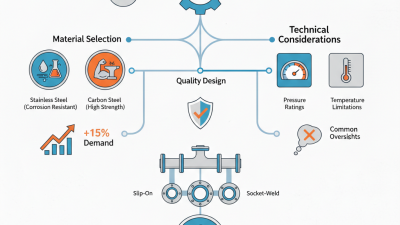
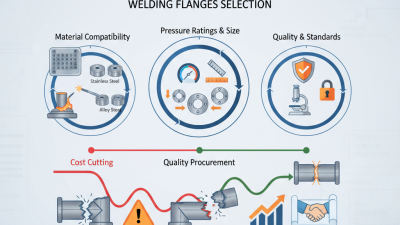
When selecting welding flanges, several key factors come into play. Material selection is crucial. Flanges must withstand specific pressures and temperatures. Common materials include carbon steel, stainless steel, and specialty alloys. Each material offers unique benefits. For example, stainless steel resists corrosion well but might be costlier. Understanding operational contexts helps buyers make informed choices.
Dimension and compatibility are also essential. Flanges should match the pipes or equipment they will serve. Choosing the correct size ensures proper sealing and reduces the risk of leaks. Additionally, consider standards and certifications. These guarantee quality and safety. Many industries follow strict regulations that require compliance.
Buyers often overlook the importance of surface finish. A smoother surface enhances sealing ability and ensures reliability. Keep in mind that inadequate preparation can lead to failures. Consulting with industry experts can provide insights into choosing the best type for your project. Reflect on your specific needs, and remember that proper selection significantly impacts performance and longevity.
Global Standards and Specifications for Welding Flanges
Welding flanges play a crucial role in various industries. They connect pipes, valves, pumps, and other equipment. Understanding global standards and specifications is essential for buyers looking to make informed decisions. Different regions have unique standards. For instance, ANSI, ASME, and ISO are widely recognized worldwide.
Using the right flange standards ensures safety and reliability. Each standard dictates dimensions, materials, and pressure ratings. Buyers need to be aware of these details. Some may find it challenging to choose the correct specifications. Misunderstanding can lead to improper installations or failures. Always consult the latest codes and guidelines.
Additionally, flanges must withstand various environmental conditions. Corrosion resistance is vital in many applications. Not every flange material performs well under extreme conditions. Buyers often overlook this aspect, leading to costly repairs later. It's crucial to evaluate both performance and compliance thoroughly.
Best Practices for Sourcing Welding Flanges Internationally
Sourcing welding flanges internationally can be a complex task. Buyers must navigate various standards, specifications, and quality expectations. Understanding the global landscape is crucial for making informed decisions.
Tip: Research industry standards. Different regions have unique regulations. Know your requirements to avoid costly mistakes.
Selecting reliable suppliers is vital. Look for manufacturers with a proven track record. Verify their certifications and ask for references. Due diligence can save you from unexpected issues.
Tip: Use a checklist when evaluating suppliers. Include factors like production capacity, delivery times, and quality control measures.
Price is important but not the only factor. Cheaper options may compromise quality. Balance cost with reliability for the best outcome. Always request samples if possible. This helps evaluate the flanges before placing bulk orders.
Tip: Construct clear communication channels. Misunderstandings can lead to errors and delays. Don't hesitate to ask questions.
Future Trends in Welding Flange Manufacturing and Design
The future of welding flange manufacturing is evolving rapidly. Advances in materials science play a pivotal role in this transformation. Innovative materials enhance strength and reduce weight. This trend supports industries aiming for more efficient designs.
Automation and robotics are reshaping production lines. These technologies improve precision and cut down labor costs. While embracing automation, manufacturers must ensure skill development for their workforce. Balancing technology with human expertise is essential.
Tip: Regularly assess your welding flange needs. Understanding specific applications can guide material and design choices.
Sustainability is also gaining momentum. Eco-friendly practices in production are becoming a priority. Companies are exploring recycled materials and less harmful processes. The shift towards greener solutions is both a challenge and an opportunity. Adapting to these trends requires flexibility and a willingness to experiment.
Tip: Stay updated on industry trends. Join forums or groups that discuss emerging technologies. Engaging with community insights can spark innovative ideas.