Top Benefits of Using Stainless Steel Reducing Tee in Plumbing Systems?
In modern plumbing systems, the choice of materials is crucial for efficiency and longevity. One standout component is the Stainless Steel Reducing Tee. Industry expert John Smith, a veteran in plumbing technology, remarks, "Using a Stainless Steel Reducing Tee can optimize flow while minimizing resistance." This highlights the importance of such fittings in plumbing design.
Stainless Steel Reducing Tees are not just durable; they contribute to overall system integrity. Their resistance to corrosion ensures longevity, even in harsh environments. Furthermore, these fittings allow for smooth transitions between pipe sizes. This is essential in maintaining consistent water pressure. However, not all installations showcase their advantages. Many plumbers opt for cheaper alternatives, ignoring long-term benefits.
It's crucial to evaluate the impact of choosing the right components. While Stainless Steel Reducing Tees may require a higher initial investment, they often prove more cost-effective over time. Their reliability reflects the quality of plumbing systems. Making informed choices can lead to significant improvements in both performance and safety.
Top Benefits of Using Stainless Steel Reducing Tee in Plumbing Systems
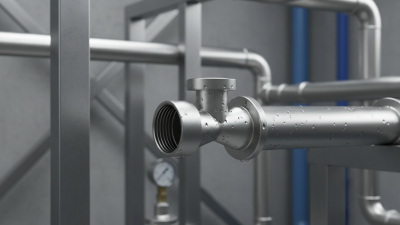
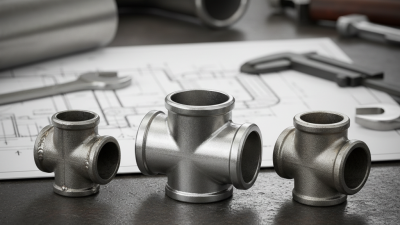
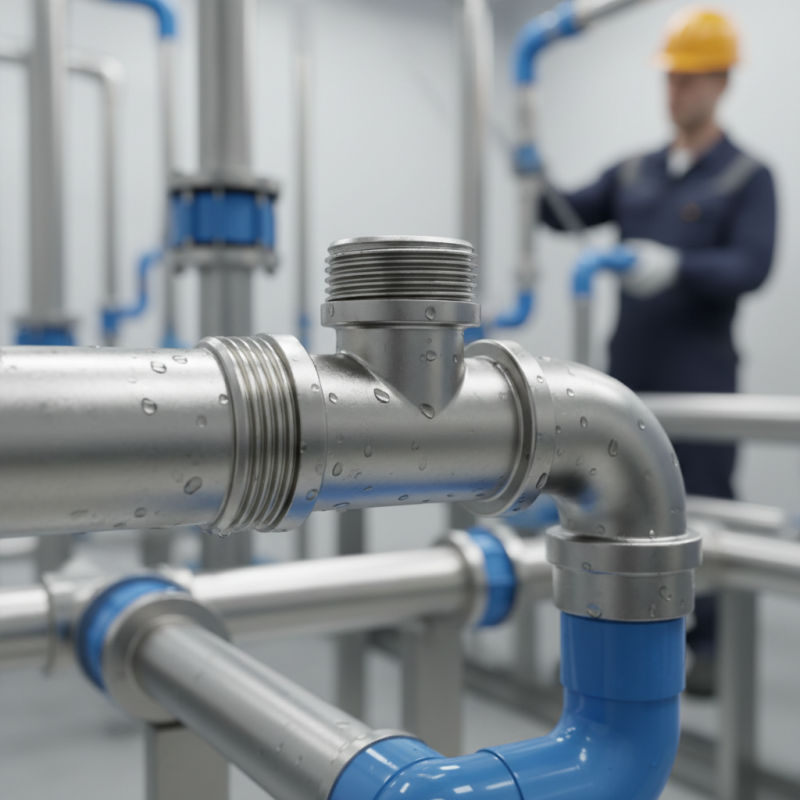
Stainless steel reducing tees are essential components in plumbing systems. These fittings allow for seamless transitions between different pipe sizes. This flexibility is crucial in optimizing flow and minimizing pressure drops. When installed correctly, they enhance system efficiency and durability.
One notable benefit of stainless steel reducing tees is their corrosion resistance. They withstand harsh environments better than many other materials. This property means a longer lifespan for plumbing systems, reducing maintenance needs. Additionally, these fittings are less likely to leak, providing peace of mind to homeowners and contractors alike.
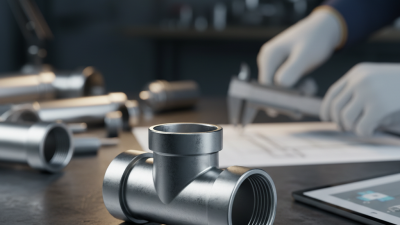
Using these tees requires careful consideration during installation. An incorrect fit can lead to future problems. It’s essential to ensure proper alignment and sizing. While stainless steel is strong, it can still be affected by improper handling. Ensuring all elements are compatible will contribute to the overall effectiveness of the plumbing system.
Durability and Corrosion Resistance: Key Advantages of Stainless Steel
Stainless steel reducing tees are essential components in plumbing systems. Their durability stands out, especially when exposed to harsh environments. According to industry reports, stainless steel products can endure over 100 years of use without major failure. This longevity is largely due to their exceptional corrosion resistance. Unlike traditional materials, stainless steel is less likely to rust, even in damp conditions. This makes it ideal for various plumbing applications.
Corrosion can significantly reduce the lifespan of plumbing systems. A study from the American Society of Mechanical Engineers found that stainless steel reduces corrosion damage by 80% compared to carbon steel. This dramatically decreases maintenance costs and service interruptions. Moreover, the strength of stainless steel allows it to withstand high pressures and temperatures. It is a reliable choice for both residential and commercial plumbing.
While stainless steel offers many advantages, cost can be a concern. It tends to be more expensive than other materials. This raises questions about budget constraints in certain projects. However, the long-term savings and reliability often outweigh the initial investment. Choosing the right material includes weighing upfront costs against potential future expenses. The decision must consider the system's longevity and maintenance needs.
Enhanced Flow Efficiency: How Reducing Tees Improve Water Movement
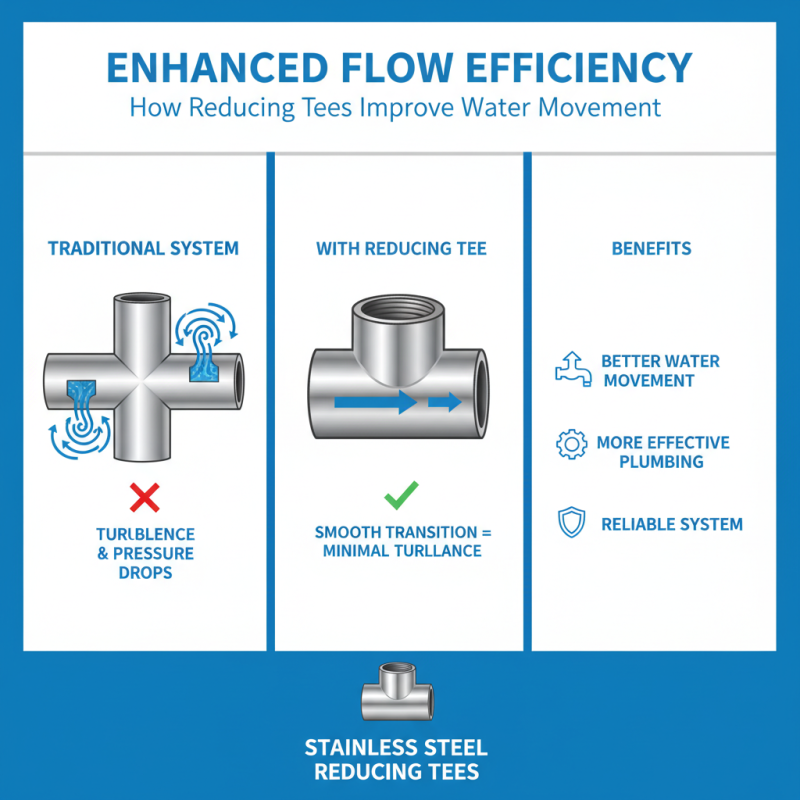
Using stainless steel reducing tees can significantly enhance flow efficiency in plumbing systems. Their design allows for smooth transitions between different pipe sizes. This minimizes turbulence and pressure drops, leading to better water movement. The result is a more effective and reliable plumbing system.
Additionally, these fittings are corrosion-resistant and durable. This means they can withstand harsh conditions for a longer time. However, not every installation is perfect. Improper sizing of the reducing tee can lead to bottlenecks. Always ensure the chosen size matches your flow requirements.
In many cases, users may overlook the importance of precise installation. Improper angles or misalignments can create problems. It's essential to double-check alignments during installation. Attention to detail can prevent future leaks or blockages. While stainless steel is robust, the wrong fitting can still lead to failures over time.
Long-Term Cost Savings: The Financial Benefits of Stainless Steel Fittings
Stainless steel reducing tees offer significant long-term cost savings for plumbing systems. According to industry research by the American Society of Plumbing Engineers, stainless steel fittings can have a longer lifespan than traditional materials. This durability translates into fewer replacements and repairs, saving both time and money for property owners.
Utilizing stainless steel can reduce maintenance costs by up to 30%. Unlike PVC or copper, stainless steel resists corrosion and extreme temperatures. This resilience means fewer leaks and lower water damage risks. The initial investment might be higher, but the reduced operational costs justify the choice over time.
Moreover, stainless steel's recyclability contributes to its long-term value. A study by the Steel Recycling Institute reveals that about 88% of stainless steel is recycled. This feature not only benefits the environment but can also lead to lower material costs in the future. As plumbing systems age, the right materials can significantly enhance efficiency and savings. Choosing robust options may seem expensive initially, but it fosters long-term reliability.
Environmental Impact: Sustainability of Stainless Steel in Plumbing Systems
Stainless steel is increasingly popular in plumbing systems due to its environmental benefits. One key advantage is its recyclability. Unlike plastic, stainless steel can be recycled multiple times without losing its properties. This reduces waste significantly. Moreover, the energy consumption in recycling stainless steel is lower than that for producing new materials.
Sustainable practices are vital in today's world. Stainless steel does not corrode easily, prolonging its lifespan and reducing the need for frequent replacements. This durability means fewer materials end up in landfills. However, the manufacturing process still has environmental impacts. Energy-intensive processes are necessary to create stainless steel. Awareness of these issues is essential for a balanced view.
With the rise of eco-conscious building practices, stainless steel offers both functionality and sustainability. Its long-term benefits may outweigh immediate environmental costs. Choosing the right materials is crucial in plumbing system design. Reflecting on these factors can lead to better choices for the environment and future generations.
Conclusion
The use of Stainless Steel Reducing Tee in plumbing systems offers numerous advantages that enhance both performance and longevity. One of the key benefits is its durability and corrosion resistance, ensuring reliable functionality even in harsh environments. Additionally, the design of reducing tees significantly improves flow efficiency, facilitating better water movement through the system.
In terms of economic impact, opting for stainless steel fittings like the Stainless Steel Reducing Tee translates into long-term cost savings due to reduced maintenance and replacement needs. Furthermore, the sustainability of stainless steel contributes positively to environmental considerations in plumbing. Compliance with industry standards ensures that these fittings meet best practices, making them a smart choice for both new installations and upgrades in any plumbing system.