China Top Welding Flanges Types and Applications Explained
In the world of manufacturing, "Welding Flanges" play a crucial role in ensuring the integrity of various piping systems. Leading industry expert John Smith states, “The reliability of a system often hinges on the quality of its flanges.” With diverse types and applications, welding flanges are essential across numerous sectors, from construction to chemical processing.
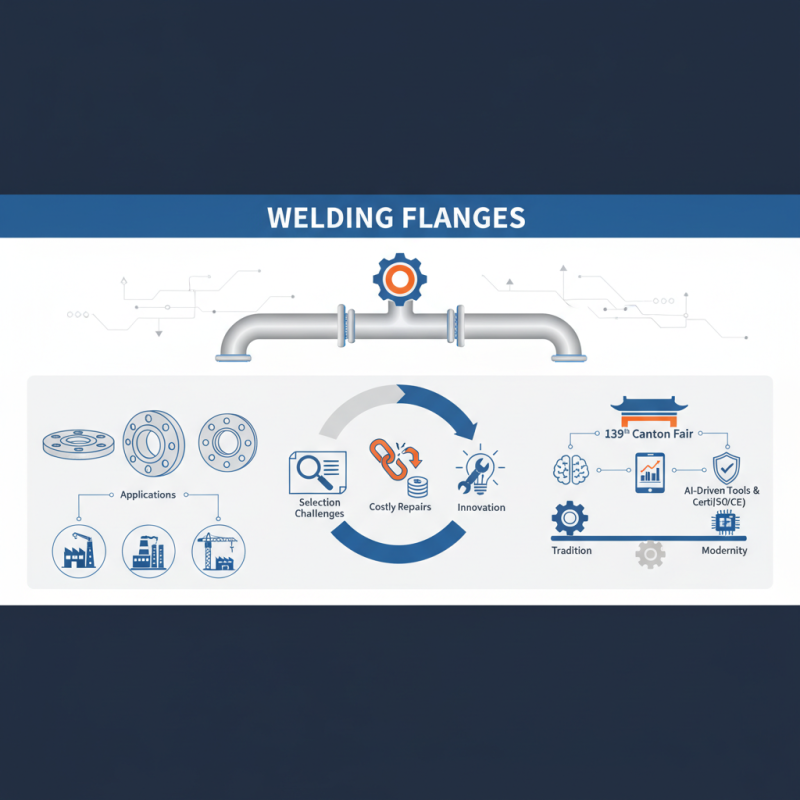
The significance of welding flanges is reflected in their ability to connect pipes securely. Ensuring a leak-proof design is vital. In many projects, however, there can be challenges in selecting the right type for specific applications. Misjudgments in flange choices may lead to costly repairs and operational losses. Recognizing this, manufacturers are continually innovating.
Moreover, the upcoming 139th Canton Fair showcases the welding flange industry’s advancements. Buyers can utilize new AI-driven tools to navigate and find suppliers meeting specific certifications like ISO and CE. This integration of technology will enhance understanding and selection. Yet, how effectively can traditional methods adapt to such innovations? The balance between tradition and modernity in the welding flanges market remains a crucial conversation point.
Overview of Welding Flanges in China
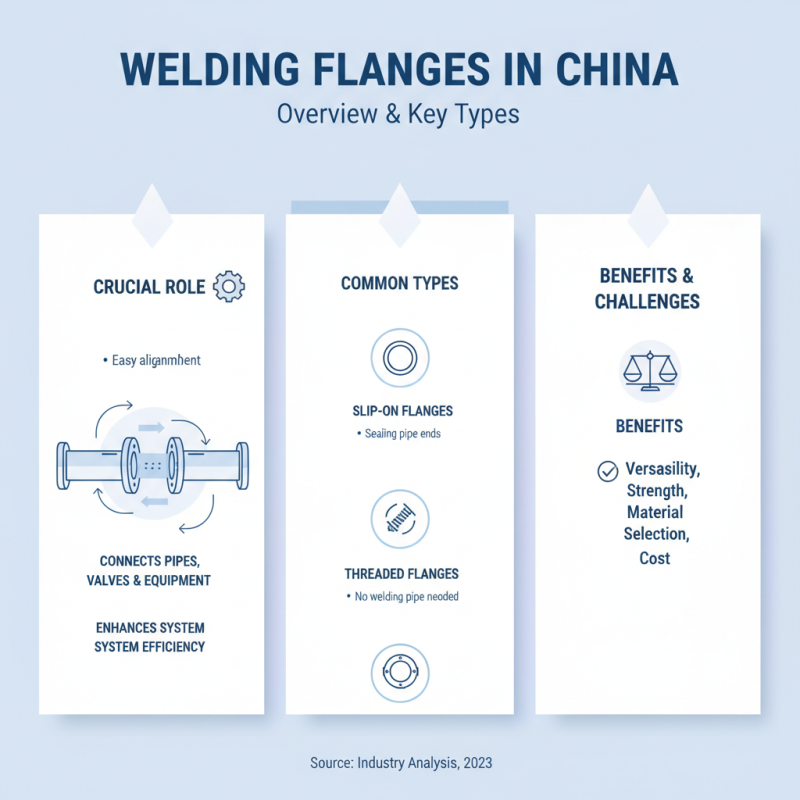
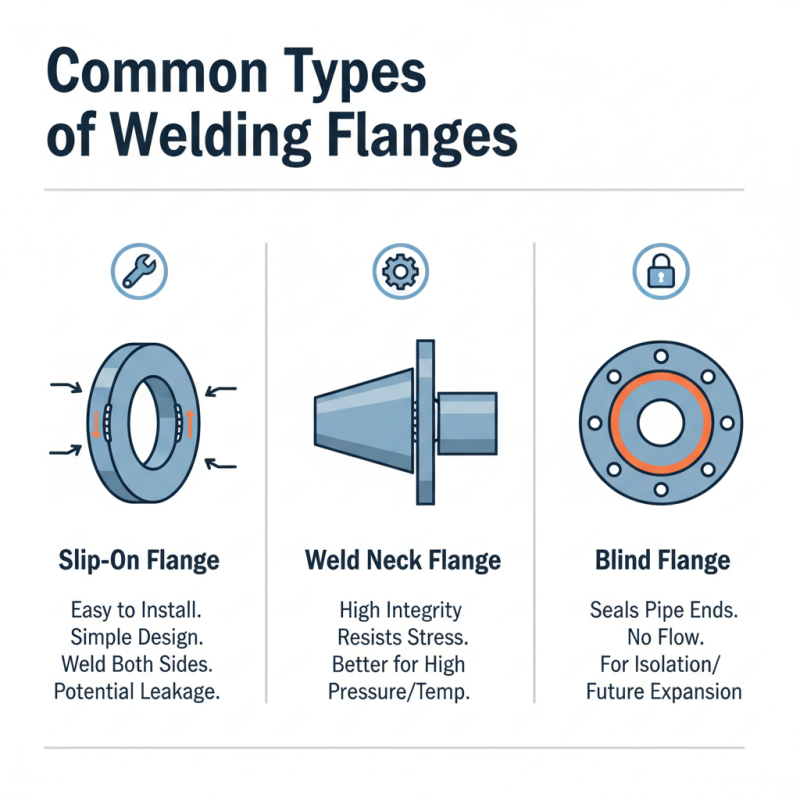
Welding flanges play a crucial role in various industrial applications in China. They serve as connectors between pipes, valves, and other equipment. Different types of flanges are designed for specific purposes, enhancing the overall efficiency of systems. Common types include slip-on, blind, and threaded flanges. Each type offers unique benefits and challenges.
In the Chinese market, the demand for welding flanges is growing. Industries like oil and gas, chemical processing, and construction heavily rely on these components. However, quality issues sometimes arise. Poor manufacturing processes can lead to defects, resulting in system failures. This highlights the need for stringent quality control in production.
One cannot overlook the importance of standards. Various national and international standards govern the production of flanges. Adherence to these standards ensures safety and reliability. Yet, not all manufacturers comply with these regulations. Awareness of this issue is essential for buyers. Understanding the types and their applications can lead to better decision-making in procurement.
Common Types of Welding Flanges and Their Characteristics
When discussing welding flanges, several common types come to mind. Each type has unique characteristics suited for different applications. For example, slip-on flanges are easy to install and align. They have a simple design that accommodates welding on both sides. This simplicity allows for quicker assembly, but it may lead to potential leakage issues if not handled properly.
Another popular option is the blind flange. This type serves to seal a pipe's end. It helps to create a pressure-tight seal. However, installation can be tricky. Ensure proper alignment to avoid future leaks. The blind flange requires careful planning before installation.
Here’s a tip: always assess the specific needs of your project. Consider factors like pressure, temperature, and the type of fluid involved. These details can greatly affect your choice of flange.
For those working with welding flanges, a common mistake is underestimating the importance of material compatibility. Using flanges made from incompatible materials can lead to corrosion. Regular inspections are necessary to ensure reliability. Failing to do so might mean unexpected downtime. It emphasizes the need for careful selection and maintenance of welding flanges, ultimately improving project outcomes.
Applications of Welding Flanges in Various Industries
Welding flanges play a crucial role in various industries. These components join pipes, valves, and equipment together. They help create a secure and leak-proof connection. In the oil and gas industry, for example, they are vital for maintaining high-pressure systems. Flanges facilitate inspections and repairs, making maintenance more manageable.
In the chemical industry, welding flanges are equally important. They provide the necessary strength to withstand corrosive materials. Often, these flanges must resist extreme temperatures. This requirement can complicate manufacturing and design. Engineers must frequently ensure that the chosen flange material aligns with the substances it will encounter.
Tip: Choose flanges that match your industry's specific needs. Material compatibility is key to preventing leaks.
Another essential application is in the
construction sector. Here, welding flanges contribute to building structural integrity. They allow for easy assembly and disassembly, which speeds up projects. However, improper installation can lead to costly failures. Workers must pay close attention to alignment and torque specifications.
Tip: Always conduct regular inspections to catch issues early. This proactive approach minimizes risks and costs.
Materials Used for Manufacturing Welding Flanges
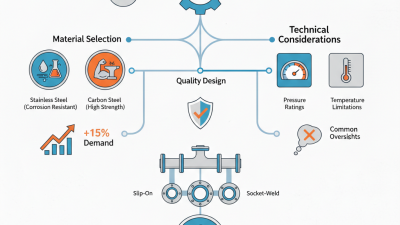
Welding flanges are essential in piping systems, providing a secure connection between pipes and equipment. The materials used for manufacturing these flanges significantly influence their performance and longevity. Common materials include carbon steel, stainless steel, and alloy steel, each having distinct properties suited for various applications.
Carbon steel is widely used due to its strength and cost-effectiveness. It's preferred in industries like oil and gas. However, it lacks corrosion resistance, which can lead to failures in harsh environments. Stainless steel offers excellent corrosion resistance, making it ideal for chemical processing and food industries. Unfortunately, it can be more expensive and less ductile under certain conditions.
Alloy steel flanges, often containing elements like nickel and chromium, provide enhanced mechanical properties. According to industry reports, they can withstand higher temperatures and pressures. Yet, the manufacturing process can be complex. Manufacturers must balance material properties with project requirements. Selecting the right material isn't always straightforward, as each application has unique demands.
China Top Welding Flanges Types and Applications
Factors to Consider When Selecting Welding Flanges
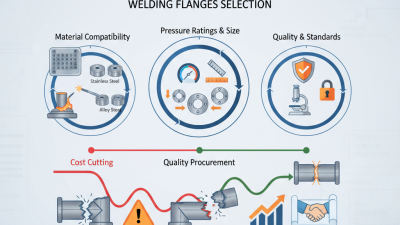
When selecting welding flanges, consider several key factors. The material type is essential. Common materials include stainless steel, carbon steel, and alloy steel. Each type has unique properties. For instance, stainless steel is resistant to corrosion, making it ideal for harsh environments.
Size and pressure rating should also be taken into account. Ensure the flange fits the piping system correctly. Check the pressure rating to match your application needs. Misalignment or pressure mismatches can lead to failures. Attention to detail is crucial here.
**Tips:** Always double-check the compatibility of your flange with the pipe material. Consider the environment where the flange will be used. High temperatures can affect performance.
Another factor is the welding method. Different methods require specific flange designs. For example, some flanges may be better suited for MIG welding. Evaluate if the chosen flange aligns with your welding technique. It’s worth testing a few options before making a final decision.