How to Choose the Right 90 Degree Socket Elbow for Your Project?
Choosing the right 90° Socket Elbow is crucial for any plumbing or HVAC project. Expert Paul Reynolds, a senior engineer with over 20 years of experience in the field, says, "Selecting the correct elbow can make or break the efficiency of your system." This statement underscores the importance of making an informed decision.
The 90° Socket Elbow allows for seamless changes in direction within a pipeline. Yet, not all elbows are created equal. Factors like material, size, and pressure rating must be considered. There are risks involved in choosing poorly. For instance, using a low-grade material can lead to leaks and system failures.
The decision-making process can be complicated. It may be tempting to choose based solely on price. However, reliability and durability should take precedence. Each project presents unique challenges. Assessing these challenges will lead you to the right 90° Socket Elbow. This careful approach ensures long-term success and efficiency in your system.
Understanding the Purpose of 90 Degree Socket Elbows in Plumbing
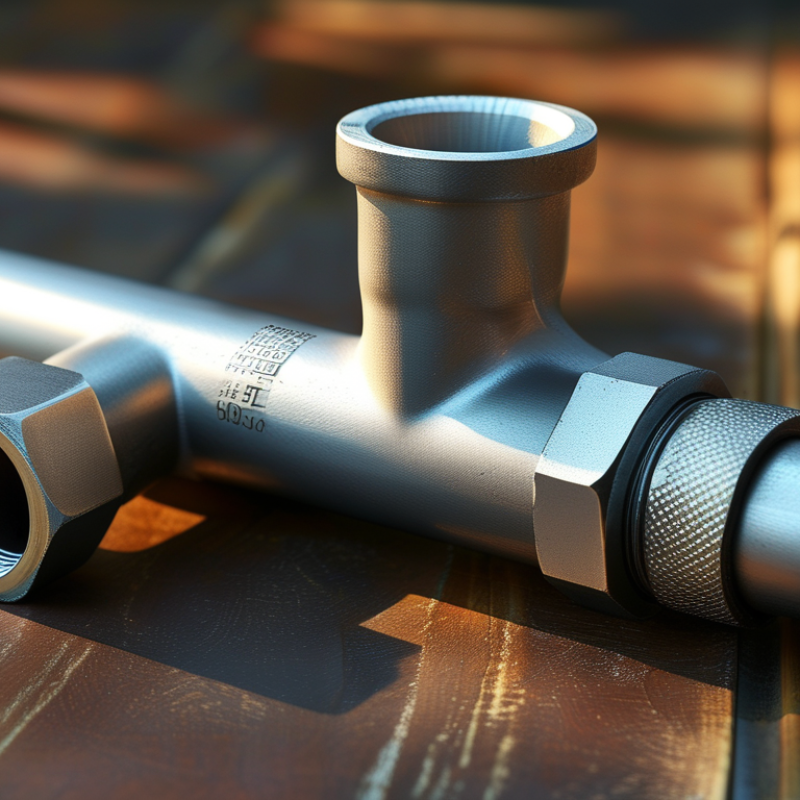
In plumbing, a 90-degree socket elbow is essential for redirecting piping. It allows a smooth transition around corners. This fitting helps maintain the flow of water, ensuring efficiency in your plumbing system. Installing the correct elbow can prevent leaks and pressure loss.
Choosing the right elbow involves understanding your project's specific needs. Consider the pipe size and material. A mismatched fitting can lead to joint failure. Inspect the installation area; adequate space is necessary for proper assembly. Measure accurately to avoid surprises during installation.
Sometimes, DIY projects can lead to mistakes. Miscalculating angles or using incompatible materials can cause problems. Regularly review your choices to ensure they align with best practices. Learning from past experiences can enhance your plumbing skills. Strive for improvement in each project you undertake.
How to Choose the Right 90 Degree Socket Elbow for Your Project?
| Dimension |
Material |
Pressure Rating |
Application |
Compatibility |
| 1/2" (15mm) |
PVC |
150 PSI |
Residential Plumbing |
Standard PVC Pipe |
| 3/4" (20mm) |
Copper |
300 PSI |
Hot Water Systems |
Copper Pipe |
| 1" (25mm) |
Galvanized Steel |
200 PSI |
Industrial Applications |
Steel Pipe |
| 2" (50mm) |
CPVC |
100 PSI |
Chemical Transport |
CPVC Pipe |
Types of 90 Degree Socket Elbows and Their Applications
Selecting the right type of 90-degree socket elbow is crucial for efficient plumbing, HVAC, and industrial projects. These fittings come in various materials, including PVC, copper, and stainless steel. Each material serves specific applications. PVC is lightweight and perfect for residential plumbing. Copper, on the other hand, is durable, suitable for high-pressure systems. A 2022 industry report indicates that demand for PVC is growing, especially in urban areas, due to its cost-effectiveness.
Another point of consideration is the socket elbow's size and compatibility. Standard sizes often range from 1/2 inch to 4 inches. Using an incompatible size leads to leaks and pressure drops. It's essential to measure accurately before purchasing. Some professionals overlook this, resulting in project delays. A survey by the Plumbing Contractors Association found that improper fitting selections accounted for 15% of plumbing failures.
Additionally, the elbow's angle must match your project requirements. An improper angle may cause unexpected flow issues. Many engineers report that a right-angle elbow may create more turbulence than a gentle bend. Disturbances can lead to increased wear on piping. Thus, considering the specific flow characteristics is vital when choosing the right fitting.
Materials Used for 90 Degree Socket Elbows: Pros and Cons
When selecting the right 90-degree socket elbow for your project, understanding the materials is key. Common materials include PVC, copper, and stainless steel. Each has unique advantages and disadvantages.
PVC is lightweight and resistant to corrosion. It’s also cost-effective, making it a popular choice for residential plumbing. However, PVC may not handle high temperatures well. In contrast, copper provides excellent durability and can withstand higher temperatures. Yet, it may be more expensive and prone to corrosion if not installed correctly.
Stainless steel is another option. It is highly durable and corrosion-resistant. It’s ideal for industrial applications. However, its cost can be prohibitive for smaller projects. Consider your budget and the specific needs of your project when choosing.
Tips: Always check the temperature ratings of materials. This can impact the performance of your installation. Choosing the right fittings is equally vital. Misalignment can lead to leaks or failures down the line. Prioritize fitting quality, even if it requires a slightly higher investment.
Materials Used for 90 Degree Socket Elbows: Pros and Cons
Key Factors to Consider When Selecting a 90 Degree Socket Elbow
Choosing the right 90-degree socket elbow is crucial for your project's success. One important factor to consider is the material. Common materials include PVC, brass, and stainless steel. Each material has specific properties, such as durability and resistance to corrosion, that can impact your project. Evaluate your project's environment to determine which material will withstand various conditions.
Another key aspect is the size and compatibility. Measure the pipes you intend to connect. A snug fit prevents leaks and ensures a secure connection. It's easy to overlook this detail, but mismatched sizes can lead to costly mistakes. Take time to double-check your measurements before making a purchase.
Don’t forget about the pressure rating. High-pressure applications require elbows designed to handle such conditions. If the elbow cannot withstand the pressure, it may fail over time. This could lead to disruptions or hazards. Rely on reputable sources for information, and never hesitate to seek expert advice if you're unsure about your choice. Balancing these factors will lead to a more successful outcome.
Installation Tips for 90 Degree Socket Elbows in Your Project
When installing a 90-degree socket elbow, proper techniques are crucial for a successful project. First, ensure that you use the right tools. A pipe cutter and deburring tool are essential for clean edges. These tools reduce potential leaks, which can account for up to 25% of water waste in plumbing systems, according to the American Water Works Association. A precise cut also helps in achieving a tight fit, minimizing the chances of failure.
Next, use appropriate adhesive or sealant. According to plumbing industry standards, a strong bond can enhance the longevity of joints. Many professionals recommend a solvent cement designed for the specific material of your elbow. Read the manufacturer's instructions carefully to ensure compatibility. An inconsistent application of adhesive can cause weak points, which may lead to costly repairs down the line.
Lastly, always test the connection after installation. A simple pressure test can reveal leaks that aren't visible. The National Association of Plumbing Specifications suggests ongoing maintenance checks for installed fittings to avoid unexpected issues. Keeping an eye on these fittings could save time and money in the future. Proper installation and regular checks are key to ensuring durability in any project.