How to Choose the Best Pressure Relief Manholes for Your Needs?
Choosing the right Pressure Relief Manholes is crucial for effective drainage systems. According to the American Society of Civil Engineers, improper drainage leads to 3.5 billion dollars in infrastructure loss annually. This emphasizes the need to select manholes that can handle pressure and prevent failures.
Pressure Relief Manholes help manage excess pressure in sewage and stormwater systems. They are designed to reduce the risk of overflows and backups, protecting the integrity of the system. However, not all models are the same. Factors like material, design, and installation requirements must be carefully considered.
Industry reports indicate that nearly 40% of municipalities are currently facing drainage issues due to outdated infrastructure. This highlights the importance of investing in quality Pressure Relief Manholes as a preventative measure. The right choice can enhance the lifespan of a drainage system and mitigate potential hazards effectively. Reflecting on the choices available can help make a sound decision that benefits the overall functionality of wastewater management.
Understanding Pressure Relief Manholes and Their Importance
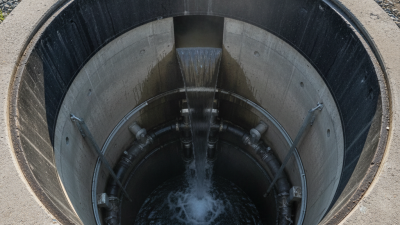
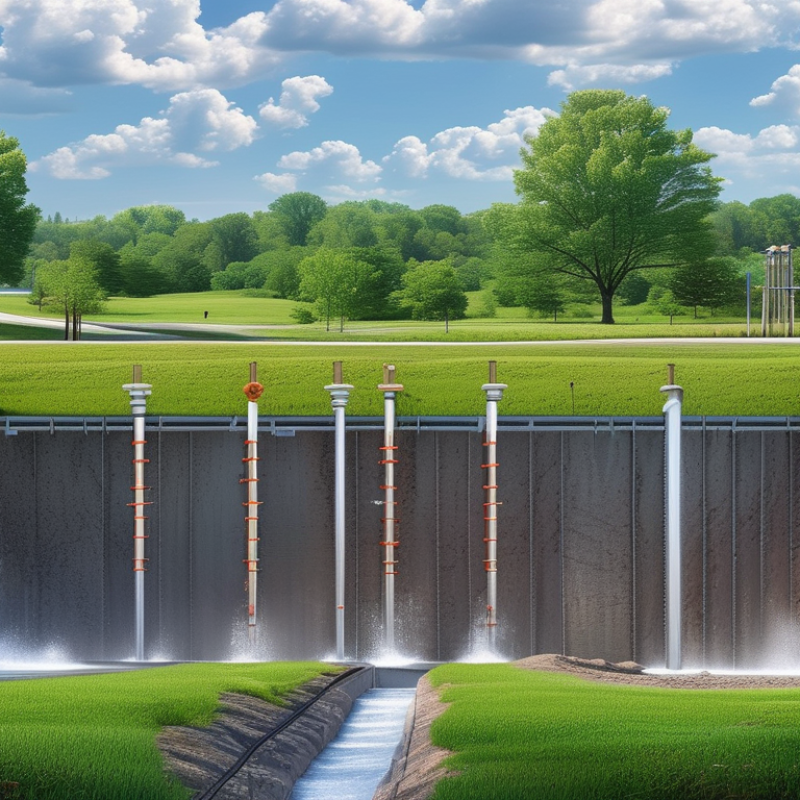
Pressure relief manholes are essential components in drainage systems. They help manage excess pressure that can lead to system failure or flooding. Understanding their function ensures that your infrastructure remains safe and efficient. The importance of choosing the right manhole cannot be overstated. A poorly selected manhole may not provide adequate pressure relief and could result in severe consequences.
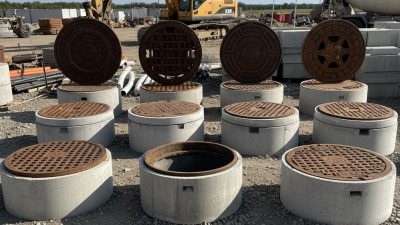
When selecting a pressure relief manhole, consider the material and size. Common materials include concrete, plastic, and metal. Each has its advantages and disadvantages. For instance, concrete might be durable but heavy. Plastic is lighter but may not handle high pressures well. Evaluate the specific needs of your system before making a decision.
Pay attention to installation guidelines. Proper installation is crucial for optimal performance. Following the manufacturer's recommendations ensures that the manhole functions as intended. Neglecting this can lead to operational issues down the line.
Consider consulting with an expert. Their insights can help clarify what is needed for your specific situation. They can guide you on the best practices and common pitfalls. Be open to re-evaluating your choices if issues arise. This reflection can lead to better decisions in the future.
Key Factors to Consider When Choosing Pressure Relief Manholes
When selecting pressure relief manholes, it’s crucial to consider several key factors. The design and size must fit your specific application. Manholes come in various configurations, and choosing the right dimensions will ensure optimal performance. Materials also play a significant role. Common options include plastic and metal, each offering distinct benefits. Think about durability and the environment where the manhole will be installed.
Another aspect to reflect on is the maintenance required for these systems. Some designs are easier to service than others. Regular maintenance is essential to prevent any failures. Assessing the frequency and type of maintenance you are willing to commit to can influence your decision. Additionally, consider the cost-effectiveness over the long term. Investing in quality manholes may seem higher upfront but can save you money through reduced repairs and replacements later.
It’s also worth noting that local regulations may impact your choice. Always ensure that your selected manholes comply with local safety standards. This not only ensures legal compliance but also enhances overall reliability. Ultimately, reflecting on your specific needs and the unique conditions of your site will lead you to the best decision. Remember, every choice has its trade-offs; weigh them carefully before making a final decision.
Comparing Different Types of Pressure Relief Manholes
When selecting pressure relief manholes, understanding the different types available is crucial. These manholes are essential in managing pressure within sewer systems. A recent industry report reveals that improper pressure management can lead to catastrophic system failures and costly repairs.
There are various designs of pressure relief manholes, including standard vented types and advanced automatic systems. Standard manholes rely on gravity and basic venting, while advanced systems utilize pressure sensors to automatically release excess pressure. Studies indicate that automatic systems can reduce failure rates by up to 30%. However, they require more maintenance and monitoring compared to traditional designs.
Each type has its advantages and drawbacks. Standard manholes are easier to install and cost-effective. Yet, they may not handle fluctuating pressures well. Automatic systems, while more reliable under pressure spikes, require a higher initial investment. Choosing between these options requires careful consideration of your specific operational needs and budget constraints. It's important to analyze your existing infrastructure and future expansion plans before making a decision.
Installation Requirements and Best Practices for Pressure Relief Manholes
When it comes to pressure relief manholes, proper installation is crucial. Begin by ensuring the ground is level and stable. This prevents future shifts that could compromise functionality. Digging depth is also essential; it should accommodate the manhole structure without stress. Use approved materials that resist the specific pressures your system generates. This attention to detail can significantly enhance reliability.
Recognize that installation isn’t a one-size-fits-all. Each site presents unique challenges. Adapting to these challenges is part of an effective strategy. Consider environmental factors like soil quality and weather conditions. These can impact performance over time. Regular inspections after installation are vital. They help identify wear and tear and ensure that all components function correctly.
Proper sealing techniques are also important. Leaks can lead to failures and costly repairs. Ensure all joints and seams are secure. Testing the system before full operation is a good practice. Addressing potential issues early can save time and money. Learning from past installations helps improve future projects. Review successes and setbacks alike to refine your approach.
How to Choose the Best Pressure Relief Manholes for Your Needs?
| Feature |
Specification |
Benefits |
Considerations |
| Material |
Polymer, Concrete, Steel |
Durability, Corrosion Resistance |
Cost, Weight |
| Size |
Diameter: 12" to 36" |
Flow Capacity |
Space Availability |
| Pressure Rating |
Up to 150 psi |
Safety Standards |
Environmental Conditions |
| Installation Type |
Above Ground, Below Ground |
Accessibility |
Local Regulations |
| Maintenance Frequency |
Annual Inspection Recommended |
Longevity of Service |
Accessibility for Maintenance |
Maintenance Tips for Ensuring Optimal Performance of Pressure Relief Manholes
Regular maintenance is crucial for pressure relief manholes to ensure optimal performance. Inspect the manhole regularly for signs of wear, such as cracks or corrosion. This can prevent costly repairs down the line. Keep the surrounding area clean and clear of debris. A cluttered space can obstruct access and hinder maintenance efforts.
It’s also important to check the pressure relief mechanisms routinely. Ensure that they operate smoothly and can handle expected loads. If you notice any sluggishness, it may indicate a need for lubrication or replacement parts. Encourage a culture of reporting issues immediately when they arise. This proactive approach often helps in addressing minor problems before they escalate.
Don't forget to keep records of maintenance activities. Documentation creates a reliable history of the manhole's condition and repairs. This data can assist in predicting future needs or planning upgrades. Always involve qualified personnel for inspections. Their expertise can help identify issues that an untrained eye might miss. Consider revisiting your maintenance schedule periodically to make adjustments based on actual usage and wear, rather than sticking to a rigid routine.