How to Choose Welding Flanges for Your Project Needs?
Choosing the right welding flanges for your project is crucial. Expert engineer John Smith once stated, "Selecting the right welding flanges can make or break your project." His insight highlights the importance of proper selection. Welding flanges are integral to the integrity and performance of welded joints. When they are not chosen wisely, they can lead to project failures.
Understanding the specifications of welding flanges is essential. There are various types available, each suited to different applications. Materials, dimensions, and pressure ratings all significantly impact performance. Compromising on these aspects can create unexpected challenges. Additionally, the environment where the flanges will be used should not be ignored. Corrosive environments demand flanges made from specialized materials.
It's also important to consider manufacturing standards. Certain projects require compliance with specific regulations. Knowing these standards can help ensure that the welding flanges meet necessary criteria. An informed decision can save time and resources. However, the process can be complex, and past mistakes might resurface if attention to detail is lacking. Understanding your project's unique needs is key to effective selection.
Understanding the Different Types of Welding Flanges Available
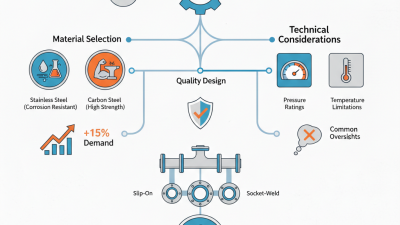
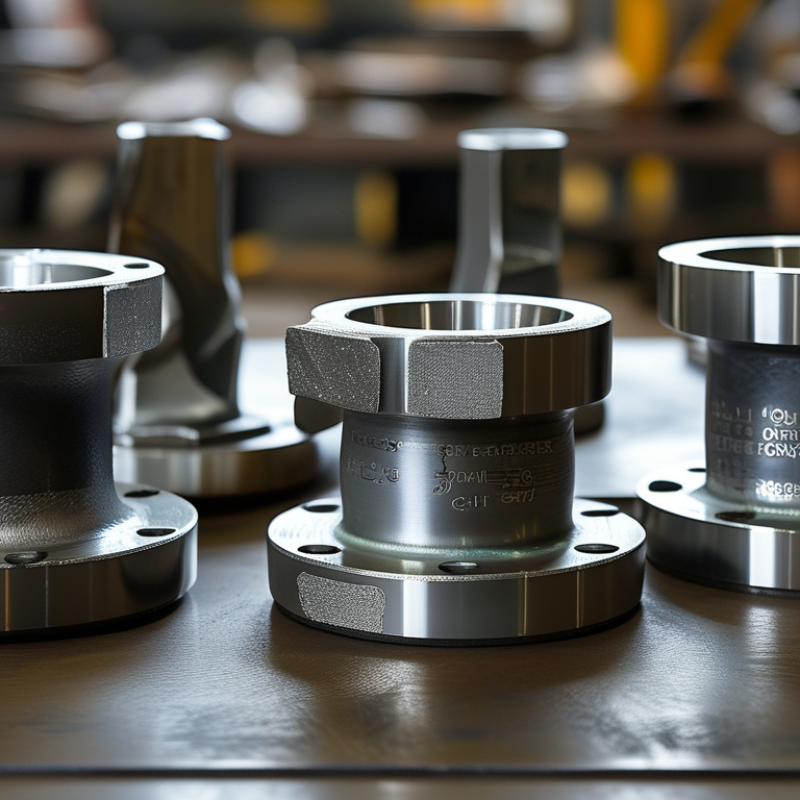
Choosing the right welding flanges is crucial for ensuring the integrity of your project. Different types of welding flanges cater to various applications. Common types include slip-on, blind, and threaded flanges. Slip-on flanges are easy to install and offer a versatile solution for many systems. Blind flanges serve well in situations where a sealed end is needed, but they can be tricky to align.
Each flange type has advantages and drawbacks. Slip-on flanges may require extra welding to secure them properly. Blind flanges can be heavy and cumbersome, making handling difficult. Threaded flanges are convenient for quick assembly, yet they may not support high-pressure applications. Understanding these differences is key to making informed decisions.
Consider the specific needs of your project. Are you dealing with high pressure or temperature? Look beyond aesthetics or ease of use. Evaluate the environment where these flanges will be used. The wrong choice can lead to leaks or failures. Balancing performance and reliability is essential for success in any welding project.
Evaluating Material Options for Welding Flanges
When selecting welding flanges, evaluating material options is crucial. Common materials include carbon steel, stainless steel, and alloy steel. Each material has its benefits and drawbacks. For instance, carbon steel is affordable and widely used. However, it may corrode in moist environments. Stainless steel, while more expensive, offers high corrosion resistance and durability.
When considering material options, factors like temperature and pressure are essential. High-temperature applications often require heat-resistant alloys. On the other hand, low-pressure systems might be fine with regular carbon steel. In some cases, the wrong choice leads to premature failure. Ensuring compatibility with the overall system design is vital.
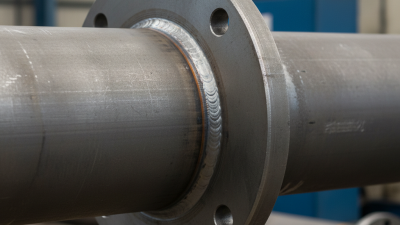
In addition, think about the welding process you will use. Some materials are easier to weld than others. Improper welding can cause weak joints. Choosing the right filler material can also impact the strength of the joint. Reflecting on these elements can help you avoid costly mistakes. Consider consulting a welding specialist for deeper insights.
Assessing Size and Pressure Ratings for Your Project
Choosing the right welding flanges is crucial for any project. Assessing size and pressure ratings can directly affect your work's integrity. Start by determining the diameter and pressure requirements for your application. Different industries have specific standards; not knowing them can lead to significant errors.
Consider the material of the flanges as well. Common options include steel, stainless steel, and plastic. Each material responds differently under pressure and temperature. Understand your operational conditions. In high-pressure environments, select flanges rated for those specific pressures. It’s essential to consult with engineers or industry experts to avoid mismatched components.
Tips: Always check the manufacturer’s specifications to ensure compatibility. Consider future modifications, too; select flanges that allow for easy upgrades. It might be tempting to go for the cheapest option, but this could lead to safety hazards. Evaluate your needs thoroughly to make informed choices.
Considering Joint Design and Application Requirements
When selecting welding flanges, understanding joint design is crucial. The configuration of the flange can impact both strength and functionality. The choice often depends on the type of materials used. For example, stainless steel flanges require different considerations compared to carbon steel. Think about the environment too. High temperatures and pressures can shift your choice significantly.
Application requirements play a vital role as well. The welding process used can determine the type of flange needed. Some methods are more suited for heavy-duty applications, while others work better in lighter setups. Each project carries its own set of challenges that may not fit standard options. A simple oversight here could lead to costly repairs.
Being aware of design factors is necessary. Sometimes, the ideal flange might not exist commercially. Custom solutions may be required. This necessitates a solid understanding of your project’s demands. Don't rush the decision-making process. Reflect on your choices and consult with experts if needed. Real-world applications often bring unique issues to the fore.
Tips for Ensuring Proper Installation of Welding Flanges
Choosing the right welding flanges is crucial for any project. Proper installation ensures safety and durability. Here are some tips that can aid in achieving that.
Ensure you have the correct flange type for your project. Each type serves a different purpose. Check the specifications against your project needs. Misalignment can lead to leaks, wasting materials and effort. Use a level to verify alignment before welding.
When installing, avoid overtightening the bolts. This can damage the flange and impact its performance. Instead, use a torque wrench for accuracy. It helps to maintain uniform pressure. Also, look for any signs of wear or imperfections on the flange before use. A small crack can lead to major issues later on.
Lastly, consider the environment where the flanges will be used. Corrosive substances can weaken the materials. Coatings may be necessary for added protection. Attention to detail can save time and resources in the long run.