What is a Stiffening Plate and How is it Used?
Stiffening plates are essential components in engineering and construction. Their primary role is to enhance the strength and rigidity of structures. These plates are commonly utilized in various applications, including bridges, buildings, and heavy machinery. Understanding the function and benefits of stiffening plates is crucial for engineers and architects alike.
A stiffening plate acts like a backbone. It reinforces sections that may otherwise buckle or deform. By distributing loads more evenly, these plates can significantly improve the durability of materials. They come in different sizes and thicknesses, tailored to specific structural needs. However, improper installation can lead to issues like stress concentration and potentially structural failure.
Collectively, stiffening plates are vital to modern engineering. Their effectiveness hinges on proper design and installation. Manufacturers must make informed choices to ensure reliability. Engineers should also learn from past mistakes to enhance future designs. Continuous evaluation of these techniques is necessary for optimal performance in construction.
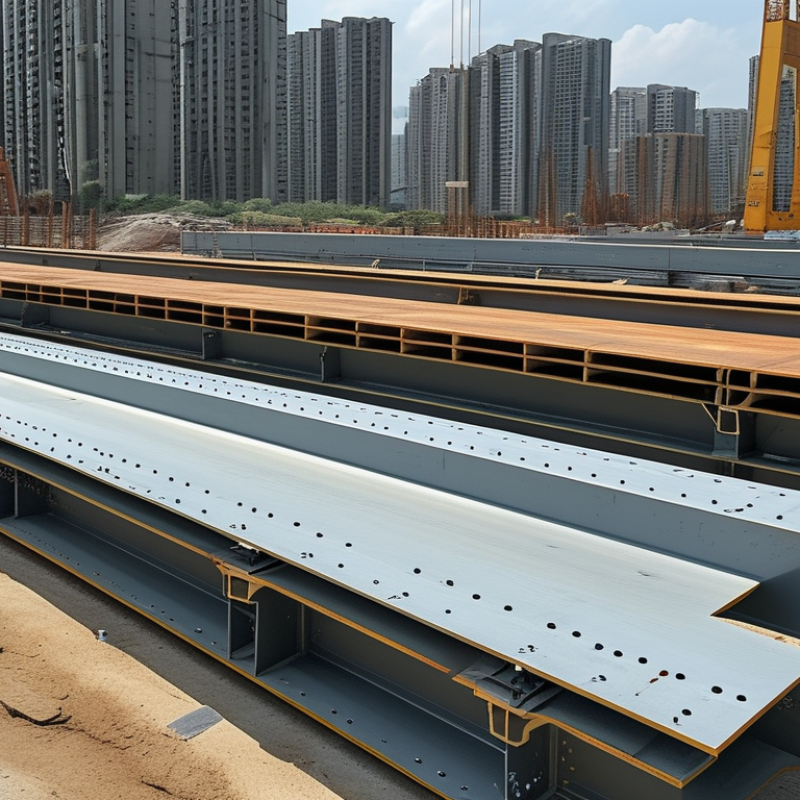
Definition of a Stiffening Plate and Its Purpose
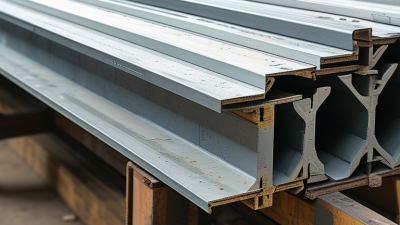
A stiffening plate is a structural element used in construction and engineering. It enhances the strength and rigidity of various components. Typically made from steel or reinforced materials, it supports beams, walls, and other structures. The primary purpose is to resist bending and twisting forces.
These plates distribute loads effectively. Without them, structures risk deformation under pressure. For instance, in bridges or large buildings, stiffening plates stabilize elements that experience heavy stress. Engineers carefully calculate the size and placement of these plates to optimize performance.
Designing stiffening plates can be complex. Engineers must consider factors like load type and location. Sometimes, the initial design may not perform as expected. This calls for adjustments and re-evaluation. Balancing cost and effectiveness remains a challenge in many projects. Proper application of stiffening plates is crucial for long-lasting stability in construction.
What is a Stiffening Plate and How is it Used?
| Dimension |
Description |
Material |
Purpose |
Application Areas |
| 1000mm x 500mm x 10mm |
Square plate used for stiffening beams |
Steel |
To enhance rigidity |
Buildings, bridges |
| 1500mm x 500mm x 15mm |
Long plate utilized for supporting structures |
Aluminum |
To prevent deformation |
Industrial applications, shipbuilding |
| 800mm x 400mm x 8mm |
Compact plate for extra support |
Stainless Steel |
To enhance load-bearing capacity |
Pipelines, machinery |
Common Applications of Stiffening Plates in Engineering
Stiffening plates are essential components in engineering, widely used to enhance structural integrity. These plates are often employed in bridges, buildings, and ship hulls, providing support and rigidity. According to a report by the American Society of Civil Engineers, about 30% of structural failures are due to inadequate bracing, showcasing the necessity of stiffening plates.
In marine applications, stiffening plates help distribute loads across the hull. They reduce stress concentrations, which is crucial for maintaining the integrity of vessels in harsh environments. Similarly, in the construction of high-rise buildings, these plates aid in resisting lateral forces, ensuring safety and durability. A study found that structures reinforced with stiffening plates could withstand 20% more lateral force than those without them.
Tips: When using stiffening plates, consider the material and thickness. They should match the structural requirements. Proper placement and welding are vital for enhancing performance. Regular inspections are necessary to identify and address any potential weaknesses or failures.
Stiffening plates also raise concerns about cost and weight. While they provide strength, they can add significant weight to a structure. This could affect overall stability and increase transportation costs. Balancing the benefits and drawbacks is essential in engineering design. Each application may require a tailored approach.
Materials Used for Manufacturing Stiffening Plates
Stiffening plates are essential components in various engineering applications. They add strength and rigidity to structures, ensuring stability. Several materials are commonly used for manufacturing these plates, each with its unique benefits.
Steel is one of the most prevalent materials. It offers high strength and durability, making it a top choice. However, it can be heavy, which may complicate installation processes.
Aluminum is lighter, providing good strength-to-weight ratios. Its corrosion resistance makes it suitable for harsh environments. On the downside, its cost is often higher than steel.
Some manufacturers explore composite materials. These can combine strength with reduced weight. Their design flexibility is an advantage, yet the production process can be complex. Each material's choice involves trade-offs. Engineers must carefully consider the specific requirements of their projects. This often involves ongoing adjustments and reevaluations throughout the design phase.
Design Considerations for Effective Stiffening Plate Implementation
Stiffening plates are essential in structural design. They provide additional support where rigidity is needed, particularly in beams and frames. When implementing these plates, several design considerations play a vital role.
One critical aspect is the thickness of the stiffening plate. A thicker plate generally offers more strength but can increase the weight of the structure. Engineers must balance weight and strength based on the material used. Additionally, the plate’s shape can impact its effectiveness. Flat plates might be easy to manufacture, but curved or angled plates could offer superior support in certain applications.
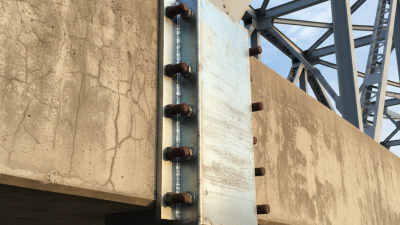
Another factor involves the connection details. How a stiffening plate attaches to the primary structure can affect overall performance. Poor connections can lead to stress concentrations. It’s crucial to ensure that welding or bolting techniques used are appropriate for the specific materials and loads involved. This is where experience and expertise become invaluable. Revisiting design details is beneficial, as initial assumptions might not hold up under real-world conditions. Realizing these aspects can contribute significantly to the reliability of the entire structure.
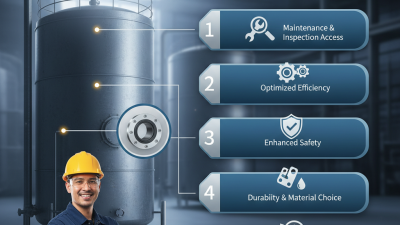
Maintenance and Inspection Practices for Stiffening Plates
Stiffening plates play a crucial role in structural integrity. They are often used in bridges, buildings, and tanks. Proper maintenance and inspection practices are essential to ensure their effectiveness. According to the American Institute of Steel Construction, regular inspections can improve overall safety by 30%. Engineers recommend scheduled assessments every five years.
Inspection involves checking for corrosion, cracks, and deformations. Using non-destructive testing methods like ultrasonic testing can detect hidden defects. This method offers a reliable way to assess thickness and material integrity. Notably, between 2015 and 2020, approximately 25% of failures in structures were linked to inadequate maintenance of stiffening plates.
Documentation of findings is vital. Engineers should maintain detailed records of inspections and repairs. This documentation is essential for understanding the lifespan of stiffening plates. Moreover, industry surveys show that 40% of professionals consider historical data crucial for future planning. Continuous training on inspection techniques can help maintain standards. The reality is, many structures still lack proper inspection schedules. This raises concern about safety and long-term performance.