How to Use Stiffening Plate for Enhanced Structural Support?
In the world of construction, structural integrity is essential. The use of a Stiffening Plate can provide enhanced support in various applications. Stiffening Plates are essential components, often made of metal, added to structures to prevent bending and deformation. They distribute loads evenly, reinforcing weak areas.
When integrating a Stiffening Plate, attention to detail is key. Placement and dimensions can impact its effectiveness. The choice of materials also matters. A poorly chosen Stiffening Plate may not provide the desired support. Construction professionals need to consider the specific requirements of each project to ensure optimal performance.
Despite their benefits, challenges exist in using Stiffening Plates. Miscalculations can lead to structural failures. Regular evaluations are necessary to maintain structural integrity over time. Understanding both the advantages and limitations of Stiffening Plates is crucial for any builder seeking long-term stability.
Understanding the Purpose of Stiffening Plates in Construction
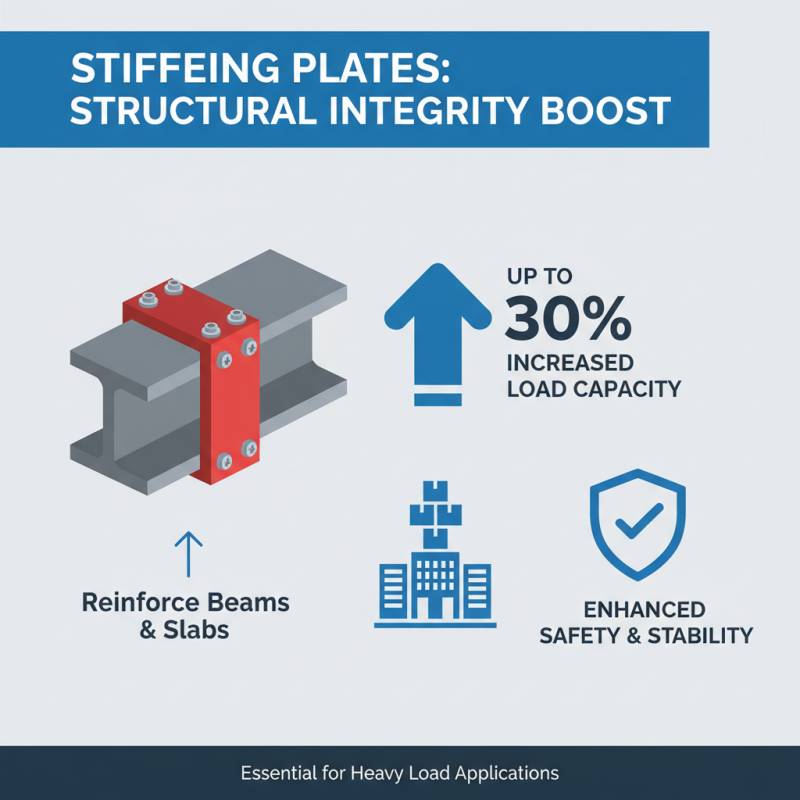
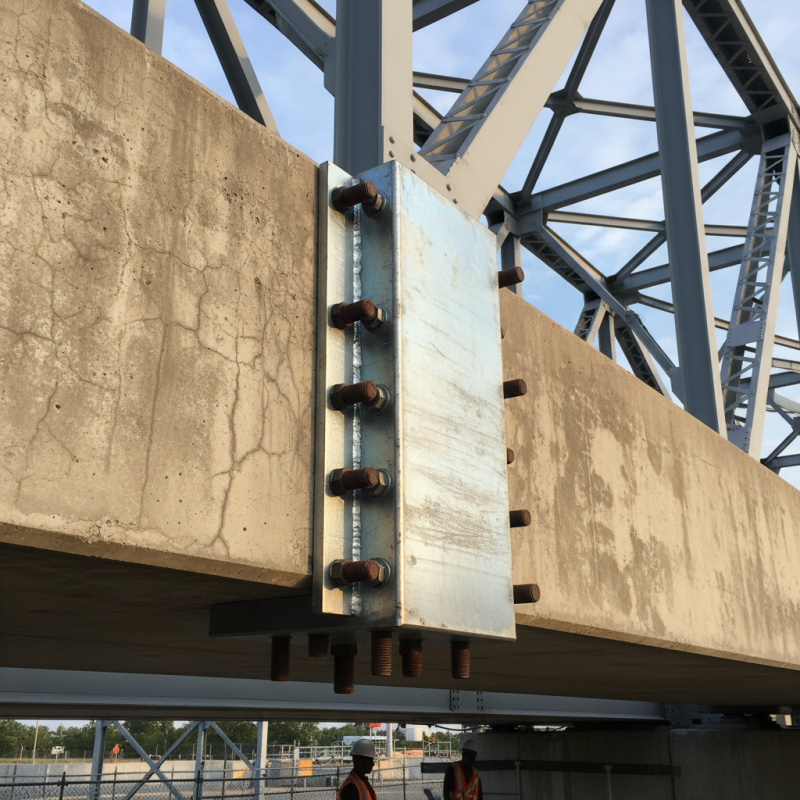
Stiffening plates play a crucial role in enhancing the structural integrity of various construction projects. These plates are essential components that provide additional support to beams, slabs, and other structural elements. According to industry reports, the use of stiffening plates can increase the load-bearing capacity of structures by up to 30%. This is particularly beneficial in areas where heavy loads are anticipated, ensuring safety and stability.
Utilizing stiffening plates effectively requires careful consideration of placement and material. Engineers must assess the specific needs of each project. Often, the choice of metal thickness directly impacts its performance. A report by the Structural Engineering Institute highlights that improper installation can diminish the effectiveness of these plates. A mere miscalculation can lead to costly repairs and potential safety hazards. Adjustments in design can also be necessary, reflecting the ongoing need for innovation in the field.
The complexity of using stiffening plates also brings challenges. Engineers may face issues with welding or connections. These problems can weaken the overall structure. An analysis of several construction failures indicates that often overlooked details lead to significant structural failures. Continuous education in new materials and methods is vital for professionals in this field. Regular updates to building codes also push the industry towards more rigorous standards.
Types of Stiffening Plates and Their Applications in Structural Support
Stiffening plates enhance structural support in various applications. They provide stability and help resist bending and buckling. Different types exist, with each serving specific functions.
For example, rectangular stiffening plates are widely used in beams and girders. These plates improve load distribution and reduce stress concentrations. L-shaped stiffening plates are ideal for corners and joints, adding strength where it's needed most. They help connect different structural elements, minimizing weak points.
However, not all designs are flawless. Overlooking the thickness of the plates can lead to failure. Also, improper placement may negate the advantages of stiffening plates. Regular assessment of the structure can reveal these issues. Adjustments may be necessary to optimize performance and safety.
Design Considerations for Effective Stiffening Plate Integration
Stiffening plates play a critical role in enhancing structural support across various applications. When integrating these plates, several design considerations must be addressed to ensure optimal performance and stability. First, material selection is paramount. Steel and composite materials can offer improved strength-to-weight ratios. According to a report by the American Institute of Steel Construction, appropriate material choice can enhance structural integrity by up to 30%.
Load distribution is another key factor. The placement of stiffening plates should distribute stress evenly across the structure. Misalignment can lead to unexpected failures. A design that considers shear forces and bending moments can minimize risk.
Tips: Always conduct a thorough analysis of load paths. Use software simulations to predict potential weaknesses. Regularly check your design against updated engineering standards.
Furthermore, consider the environmental impact. Plates may corrode over time, affecting their performance. Utilizing protective coatings can extend their life. However, this adds to costs and must be accounted for in budget estimates. It's evident that while stiffening plates improve support, they require careful planning and consideration. A rushed design can result in costly errors and structural failures. Reflection on these elements is essential for successful implementation.
Stiffening Plate Impact on Structural Support
Installation Techniques for Stiffening Plates in Structural Systems
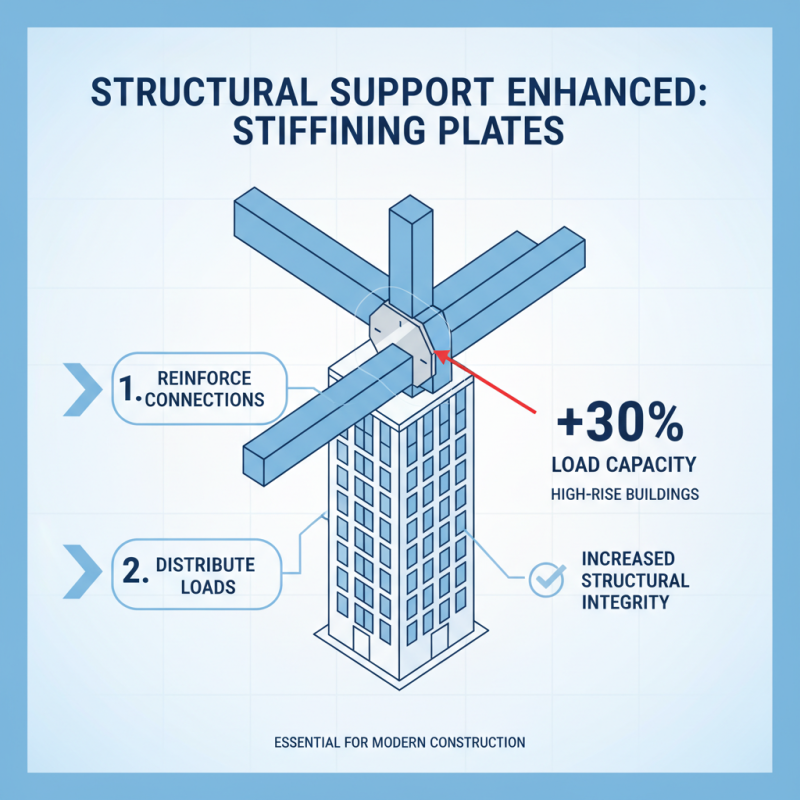
Installing stiffening plates is essential for enhancing structural support. These plates are designed to reinforce connections and distribute loads more evenly. In high-rise buildings, for example, a study shows that integrating stiffening plates can increase load capacity by up to 30%. This makes them invaluable in maintaining structural integrity.
When installing stiffening plates, consider alignment carefully. Misalignment can lead to reduced performance. It is crucial to ensure that the plates are positioned correctly during installation. Additionally, using the appropriate fasteners is vital. A report indicates that using subpar fasteners can decrease the strength of the entire system. Regular inspections post-installation can help identify potential weaknesses.
Spacing between the plates also plays a significant role. Inadequate spacing can cause stress concentrations, leading to failure over time. It's essential to refer to current engineering guidelines when planning the layout. Omitting this step may result in costly repairs later. Engaging with skilled labor is another key factor. Their expertise can dramatically influence the success of the installation process. Proper training is often overlooked, but it is crucial for optimal results.
Maintenance and Inspection of Stiffened Structures for Longevity
Maintaining stiffened structures is crucial for ensuring their longevity. Regular inspections can identify signs of wear and damage. Look for rust, cracks, or corrosion that might weaken the support. These issues can develop over time, especially in harsh environments. They often go unnoticed until significant damage is done.
Inspection is not just a routine task; it requires attention to detail. Documenting each inspection helps track changes over time. It's also essential to maintain the proper alignment of stiffening plates. Misalignment can lead to increased stress and potential failure. Sometimes, it may be tempting to overlook minor repairs. However, delayed fixes can lead to larger, costlier problems down the road.
Cleaning and painting stiffened structures can also improve their durability. Removing debris and applying protective coatings makes a difference. Regular maintenance schedules can help prevent issues from escalating. However, keeping track of these schedules can be challenging. Often, it is easy to forget until an urgent problem arises. A proactive approach to maintenance can enhance the structure’s performance and lifespan significantly.
How to Use Stiffening Plate for Enhanced Structural Support? - Maintenance and Inspection of Stiffened Structures for Longevity
| Dimension |
Value |
Unit |
Notes |
| Plate Thickness |
12 |
mm |
Optimal for load distribution |
| Welding Quality |
80 |
% |
Must pass inspection standards |
| Load Capacity |
3000 |
kg |
Estimated under typical conditions |
| Inspection Frequency |
6 |
months |
For optimal safety and maintenance |
| Lifespan |
30 |
years |
Assuming proper maintenance |