Best Stiffening Plate Options for Global Buyers?
When considering construction and engineering projects, the choice of a stiffening plate can greatly influence structural integrity. A stiffening plate plays a critical role in reinforcing structures, improving load distribution, and enhancing durability. Buyers around the globe seek the best options to meet their specific needs.
Choosing the right stiffening plate requires expertise and understanding of various materials and designs. Not all plates are created equal. Some may perform well under specific conditions, while others may fall short. It's essential to evaluate factors like material composition and thickness. Cost-effectiveness is also a key consideration.
In this increasingly competitive market, knowing the different stiffening plate options is crucial. Buyers should scrutinize product specifications and manufacturer reliability. The market is filled with choices, so making informed decisions can be overwhelming. However, understanding the essential attributes of stiffening plates will guide you toward the best selection for your project.
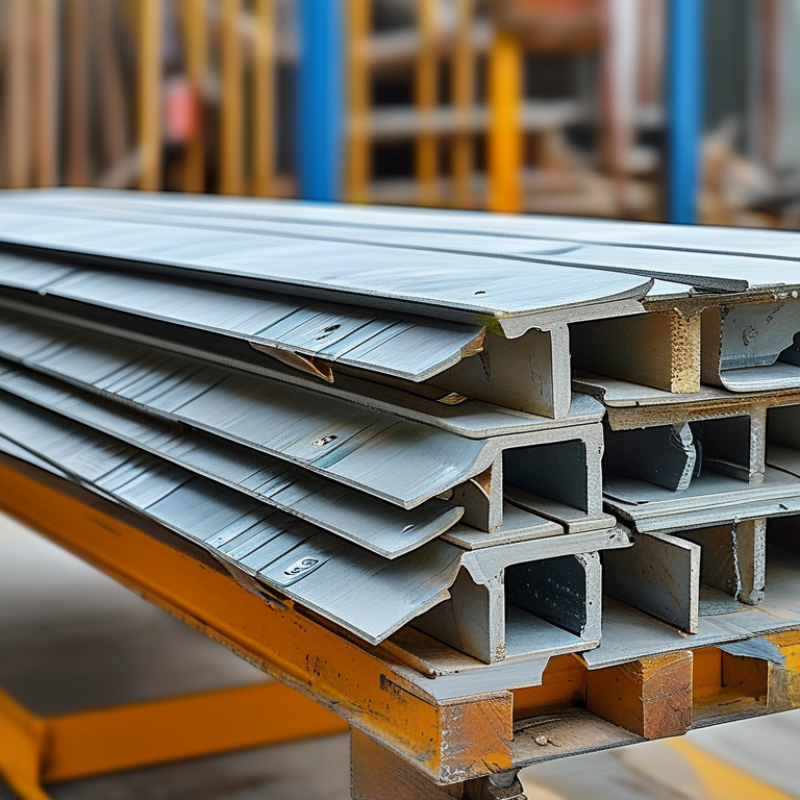
Understanding the Role of Stiffening Plates in Structural Design
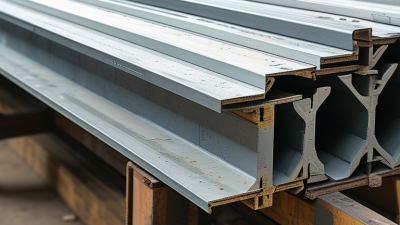
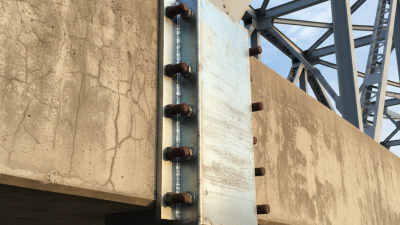
Stiffening plates play a crucial role in structural design. They enhance the load-bearing capacity of beams and frames. Commonly used in bridges and buildings, these plates help maintain structural integrity. Designers often overlook the implications of inadequate stiffening. This can lead to structural failures over time.
Choosing the right material for stiffening plates is vital. Steel is preferred for its strength and durability, yet other materials exist. Each offers unique benefits and drawbacks. Engineers must evaluate these options carefully. Hidden issues like corrosion can undermine their effectiveness. Regular assessments are necessary to ensure reliability.
The design process is not without challenges. Engineers must balance stiffness with weight and cost. Sometimes, excessive stiffening leads to increased loads. This can lead to unexpected expenses and delays. Striving for perfection in design often reveals new questions. Ultimately, stiffening plates should reflect an understanding of their importance in overall stability.
Types of Stiffening Plates: Materials and Applications
Stiffening plates are crucial in various structural applications, ensuring stability and strength. They are often made from materials like steel, aluminum, and composite materials. Each of these materials has distinct properties that suit different environments and loads. Steel plates, for example, offer high tensile strength and durability but can be prone to corrosion if not properly treated. In contrast, aluminum is lighter and resistant to oxidation but may not support heavy loads as effectively.
Recent industry reports have shown that the demand for aluminum stiffening plates has increased by 15% in the last year. This rise is attributed to their application in lightweight structures. Composite stiffening plates are gaining traction too. Their ability to combine multiple materials leads to enhanced performance in specific applications. Yet, using them can pose challenges in manufacturing and cost.
When selecting a stiffening plate, buyers often overlook the environmental impact. The production and disposal of some materials can have significant ecological footprints. It’s essential to consider sustainable options, even if they come at a higher initial cost. Many experts encourage buyers to balance performance and environmental responsibility, leading to a more informed choice. This reflects an evolving understanding of material use in construction and design.
Factors to Consider When Choosing Stiffening Plates
When choosing stiffening plates, several factors play a crucial role. The material is fundamental. Steel and aluminum are popular choices due to their high strength. Each material has its own benefits. For instance, aluminum plates are lighter but may not handle heavy loads as well as steel. Consider the thickness as well. Thicker plates generally provide better support, yet they may add extra weight.
Tips: Always assess the specific requirements of your project. If strength is critical, opt for a thicker steel plate. For lightweight applications, aluminum might be preferable. Also, evaluate the environment where the plate will be used. Corrosion resistance is vital in harsh conditions.
Another important factor is the design of the stiffening plate. The shape and configuration affect how forces are distributed. Plates that are properly designed can significantly improve structural integrity. Evaluate how the stiffening plate fits with other components in your project. Proper alignment is necessary for maximum effectiveness.
Tips: Create a checklist of compatibility with existing structures. Mock-ups can help visualize the fit and effectiveness. Remember, it's essential to rethink your choices based on feedback from testing. Adjustments may lead to a more durable final product.
Top Manufacturers of Stiffening Plates for Global Markets
When exploring the market for stiffening plates, several top manufacturers stand out globally. These companies specialize in producing high-quality plates that ensure structural integrity. Their expertise lies in understanding diverse customer needs and industry standards. This adaptability makes them vital suppliers for various sectors, such as aerospace, automotive, and construction.
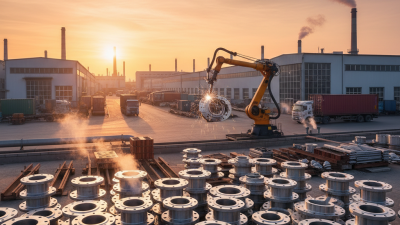
Many manufacturers utilize advanced materials and innovative techniques. They focus on optimizing the strength-to-weight ratio of their products. These plates are designed to withstand harsh conditions while maintaining performance. Investing in research and development sets industry leaders apart. They are often at the forefront of new technologies, striving for continuous improvement.
However, challenges remain in sourcing reliable suppliers. Communication can sometimes be an issue. Language barriers and cultural differences may affect negotiations. Additionally, not all manufacturers provide the same level of quality assurance. Buyers should conduct thorough research before making decisions. Understanding the certification processes and testing methods of potential suppliers is crucial for success.
Comparative Analysis of Stiffening Plate Options Worldwide
When exploring the best stiffening plate options globally, buyers should consider various materials and design features. Stiffening plates provide crucial support in structures, enhancing strength and stability. Among the wide array of options, steel and aluminum plates are prominent for their robustness and lightweight properties. Each material has its unique advantages, demanding a thorough understanding of project requirements.
Tips: Always assess the specific load-bearing needs of your project. Underestimating these requirements can lead to structural failures. Opting for a stiffening plate that balances strength and weight is key.
In some regions, local availability may limit choices. This can affect project timelines and costs. Buyers must factor in shipping or sourcing delays when deciding. Additionally, the manufacturing processes differ. Some plates might be prone to quality inconsistencies, revealing the need for diligent supplier selection. It’s essential to request samples and conduct evaluations to ensure reliability.
Tips: Research potential suppliers thoroughly. Look for reviews or case studies of their past work. Transparency in material sourcing and production techniques is vital for informed decisions.