China Top 10 Tank Wall Manholes Manufacturers?
Choosing reliable China Top 10 Tank Wall Manholes Manufacturers requires more than comparing product photographs or advertised prices. Tank Wall Manholes affect vessel access, sealing performance, inspection safety, and long-term maintenance. This introduction presents a practical way to assess leading Chinese suppliers through manufacturing experience, engineering capability, quality controls, and customer support.
The evaluation should consider stainless steel or carbon steel options, plate thickness, opening dimensions, flange design, hinge strength, gasket materials, and surface finishing. Weld quality matters, especially around curved tank walls where poor alignment can create leakage points. Buyers should also review material certificates, dimensional inspection reports, pressure or leakage test records, and traceability procedures. A dependable manufacturer can explain its design process clearly and provide drawings before production begins.
A polished catalog is not proof.
Supplier comparisons should include customization experience for food, beverage, pharmaceutical, chemical, and water-treatment tanks. Relevant standards may differ by application and destination, so buyers must confirm applicable technical and safety requirements independently. Factory audits, sample inspections, and clear communication can reveal more than online claims. Delivery history, replacement gasket availability, packaging quality, and after-sales response also deserve attention. Some rankings may remain subjective because public data is incomplete. That limitation should be acknowledged rather than hidden. The manufacturers discussed in this guide are therefore considered through transparent criteria, practical evidence, and the needs of real tank operators.
What Are Tank Wall Manholes and What Applications Do They Serve?
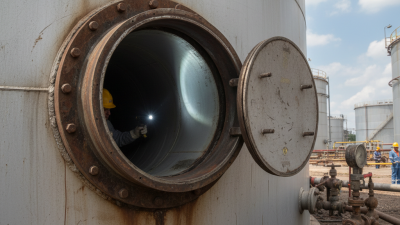
A tank wall manhole is a framed opening installed through a tank shell. It provides controlled access for inspection, cleaning, sampling, and maintenance. The assembly usually includes a cover, gasket, bolts, neck ring, and reinforcement pad. Larger units may include hinges, davits, or lifting arms. API 650 design practices emphasize shell strength, welding quality, and leak control. Access is controlled.
These manholes serve water, food-processing, chemical, petroleum, and agricultural storage systems. In municipal water facilities, operators inspect internal coatings and remove sediment without replacing the whole tank. The U.S. EPA’s 2023 Drinking Water Infrastructure Needs Survey estimates $625 billion in needs over the next 20 years. The UN World Water Development Report 2024 also notes that agriculture uses about 70% of global freshwater withdrawals. Storage access therefore affects many practical systems, not only heavy industry.
When comparing China’s top ten tank wall manhole manufacturers, buyers should check material compatibility, flange thickness, gasket selection, and documented pressure testing. Stainless steel may suit hygienic service, while carbon steel can support larger industrial tanks. A poorly positioned opening can interfere with ladders, mixers, or internal coils. That mistake is easy to make. Manufacturers should provide drawings, weld records, inspection data, and clear maintenance instructions. However, a catalog alone proves little; field installation, corrosion exposure, and cleaning routines can change actual performance.
Safety procedures must also address confined-space hazards before anyone considers internal entry.
Top 10 Tank Wall Manhole Manufacturers in China
China’s top 10 tank wall manhole manufacturers are selected for engineering depth, production consistency, and documented quality control. Leading suppliers usually serve food processing, beverage, pharmaceutical, chemical, and water-treatment projects. Their designs may include round, oval, hinged, bolted, insulated, and pressure-rated manholes.
Material choice matters. Stainless steel 304 suits many general applications, while 316L performs better against chlorides and corrosive media. Carbon steel can reduce cost for compatible tanks. Reliable manufacturers provide accurate plate thickness, smooth internal polishing, uniform welds, and suitable gasket materials such as EPDM, silicone, or PTFE. A 400–600 millimetre opening is common, but access requirements should guide the final size.
Look for manufacturers with traceable raw-material certificates, controlled welding procedures, and documented dimensional inspections. Pressure or leak testing should match the tank’s operating conditions. Some suppliers offer sample approval before mass production, which helps prevent expensive fitting problems. Factory visits can reveal practical details, including storage cleanliness and welding discipline.
The ranking is not permanent. A supplier may produce excellent standard doors but struggle with unusual pressure requirements. Another may offer strong customization but weaker delivery control. Ask for drawings, test records, surface-finish data, and installation references before ordering. Small gaps in communication can become large site problems.
Product Types, Materials, Standards, and Customization Options
China Top 10 Tank Wall Manholes Manufacturers: Product Types, Materials, Standards, and Customization Options
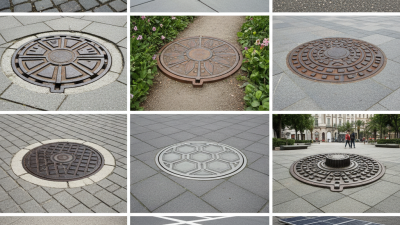
A reliable top-ten list should compare engineering evidence, not catalogue photographs. China’s tank-wall manhole suppliers commonly offer bolted, hinged, quick-opening, rectangular, and pressure-rated designs. Round covers suit standard vessels, while rectangular openings improve internal access. The choice depends on cleaning frequency, vessel diameter, working pressure, and operator space.
Material selection changes durability. Stainless steel 304 fits many water and food applications; 316L performs better against chlorides and acidic cleaning agents. Carbon steel lowers cost but needs coating control. Duplex stainless steel can improve strength, although welding demands stricter procedures. The International Stainless Steel Forum reported about 60.5 million tonnes of stainless crude steel production in 2023, showing the material’s broad industrial relevance.
Standards deserve closer attention. Pressure vessels may require ASME Section VIII or EN 13445 compliance, while atmospheric storage tanks often follow API 650 principles. Manufacturers should provide weld procedures, material certificates, pressure-test records, gasket specifications, and dimensional drawings. Custom options include 300–1200 mm openings, raised or flush frames, PTFE or EPDM seals, sight windows, insulation collars, polished interiors, and safety grilles. Surface roughness matters in hygienic service. A practical review should also inspect lead times and after-sales documentation. I would not rank suppliers from price alone; that shortcut often hides weak testing, inconsistent flatness, or poorly fitted hinges.
How to Select and Verify the Right Manufacturer for Your Project
Choosing among China’s top tank wall manhole manufacturers requires more than comparing prices. The right supplier should understand tank diameter, wall thickness, operating temperature, and access frequency. Request a detailed drawing before discussing production. Check flange dimensions, gasket materials, bolt patterns, surface finish, and corrosion protection. A reliable manufacturer should explain each choice clearly.
Ask for material certificates, welding procedures, inspection records, and pressure or leak-test results. Verify that documents match the actual factory and product model. Video calls can help, but an independent factory audit provides stronger evidence. Contact recent customers with similar tanks and ask about delivery accuracy, fit-up problems, and after-sales support. A polished catalog is not proof. I would still question unusually low quotations.
Tips: Compare three to five suppliers using the same technical specification. Request a sample or inspection piece when practical. Confirm tolerances in writing, especially for bolt holes and sealing surfaces. Review packaging details, because damaged flanges can delay installation. Clarify who pays for corrections if the manhole fails inspection. Also check production capacity during your required delivery month. Some suppliers promise confidently, then revise schedules later. That risk deserves attention. Keep every drawing revision, test report, and approval email in one project file. Small omissions often become expensive installation problems.