Top 10 Stainless Steel Reducing Tee Suppliers?
Choosing a Stainless Steel Reducing Tee supplier is not just a price comparison. The fitting must connect different pipe sizes while maintaining a dependable flow path under specified service conditions. Small details matter: alloy grade, wall thickness, end preparation, dimensional tolerances, and documented inspection. A polished catalogue image cannot confirm any of them.
Market scale offers useful context, but not proof of supplier quality. World Stainless’s Stainless Steel in Figures 2024 reports global stainless-steel melt-shop production of about 58.4 million tonnes in 2023. That figure signals a substantial materials industry; it does not measure reducing-tee output or verify any vendor. Technical checks remain essential. ASTM A403 addresses wrought austenitic stainless-steel piping fittings, while ASME B16.9 covers factory-made wrought buttwelding fittings. Buyers should confirm the applicable specification, grade, dimensions, certificates, and testing scope directly with each manufacturer. Ask how heat numbers link to material test reports. Check whether quoted lead times include inspection and packaging. Then compare responses, not slogans. This Top 10 guide is a starting point, not an endorsement; supplier capabilities can vary by product, facility, and order. One uncomfortable point: public listings rarely reveal enough to judge consistency. Independent verification still matters.
What a Stainless Steel Reducing Tee Is and Where It Is Used
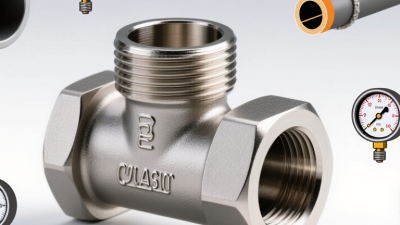
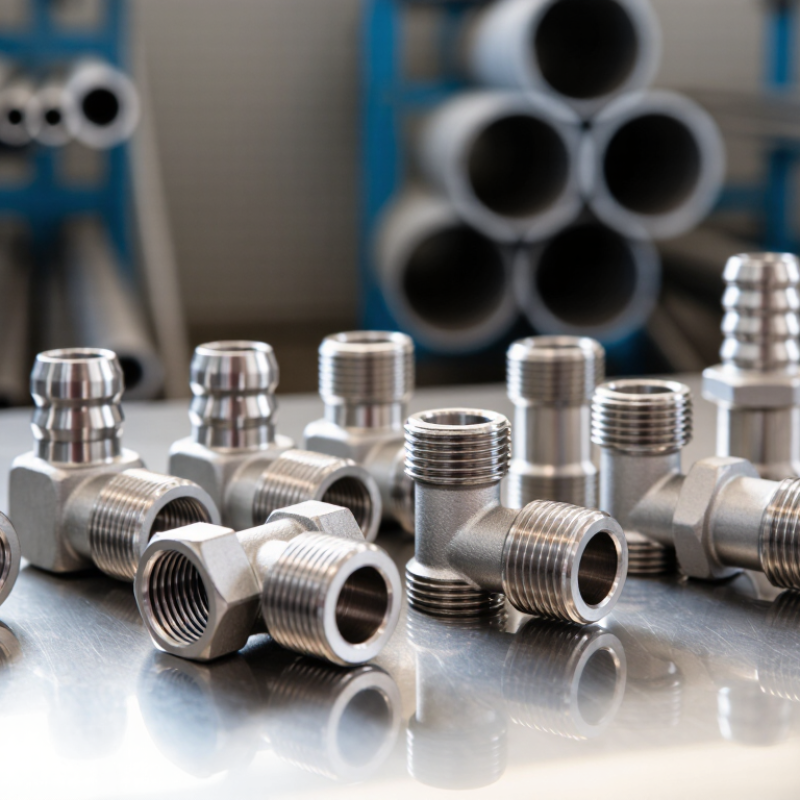
A stainless steel reducing tee is a pipe fitting with one smaller branch and two larger, straight-through openings. It lets a line carry flow along its main run while connecting to a smaller branch pipe. The fitting may split flow or bring streams together, depending on the system layout. Simple in shape. Important in service.
These tees appear in water treatment, food processing, heating systems, and chemical lines. Stainless steel can resist corrosion, but performance depends on the grade, fluid, temperature, and cleaning conditions. Connection type and dimensions matter too. Check the branch size, wall schedule, pressure rating, and end preparation against the piping design. A reducing tee cannot fix poor pipe support or an unsuitable flow layout; that part deserves a second look before installation.
Tips: Measure the pipe outside diameters, then confirm the fitting dimensions with a reliable drawing or product specification. Inspect weld ends for damage, and keep the inside clean before joining. For hygienic service, ask whether the internal finish and weld details suit the cleaning process. Do not assume every stainless grade works with every fluid. A small mismatch can cause leakage, difficult maintenance, or unexpected wear.
Key Criteria for Evaluating Reducing Tee Suppliers
Key Criteria for Evaluating Reducing Tee Suppliers
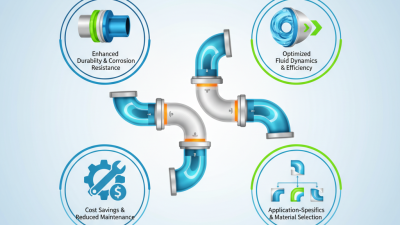
A reliable supplier should provide clear material and dimensional documentation for each stainless steel reducing tee. Check the stated grade, wall thickness, end preparation, and branch dimensions against your project specifications. Ask how material identity is tracked from receipt to shipment. Records should be easy to match to the delivered parts. Small mismatches matter. A branch opening that is slightly off-center can complicate fit-up and increase installation time. Request inspection reports, applicable test records, and details about how dimensional checks are performed. Pressure suitability depends on the complete piping system, not a fitting’s description alone. Confirm requirements with a qualified engineer.
Experience is best judged through evidence, not confident sales language. Ask whether the supplier has handled comparable sizes, quantities, and service conditions. A sample inspection can reveal surface marks, uneven welds, or rough edges before a larger order arrives. Check lead times, packaging, and the process for handling nonconforming parts. Details matter. Pricing deserves scrutiny, but the lowest quote may exclude testing, documentation, or protective packing. Supplier communication is also worth testing: send a specific technical question and note whether the answer is prompt and supported. I would still verify critical details independently; a tidy data sheet is useful, but it cannot show every production variation.
Profiles of Ten Stainless Steel Reducing Tee Suppliers
These ten supplier profiles reflect different strengths in the stainless steel reducing tee market. A mill-integrated producer can offer traceable material and consistent heats. A forging specialist may suit thick-wall, high-pressure service. A welded-fitting shop can provide flexible dimensions, but weld records need review. A machining-focused supplier often delivers accurate branch alignment. A regional stockist can shorten lead times for common sizes. An export-oriented fabricator may handle custom packaging and documentation. A sanitary-fittings maker emphasizes smooth internal surfaces. A project supplier coordinates fittings with pipe schedules. A small-batch workshop can accommodate unusual dimensions. A broad-line distributor offers convenient sourcing, though technical depth varies.
Scale matters, but it is not proof of fit. World Stainless reported global stainless-steel crude production of 58.4 million tonnes in 2023, up 4.6% from 2022. That industry figure describes raw production, not reducing-tee output or supplier quality. Ask each candidate for material certificates, dimensional inspection records, pressure-rating details, and the applicable manufacturing standard. Check that the tee’s branch and run dimensions match your drawings. Small mismatches can complicate installation.
Tips: Request a sample report before ordering. Confirm alloy grade, wall thickness, and delivery tolerance in writing. A polished catalogue is useful, but it cannot replace inspection. I would still verify every critical detail.
Comparing Supplier Products, Standards, and Capabilities
When comparing stainless steel reducing tee suppliers, examine the actual product range, not just catalog photos. A useful supplier can provide clear branch and run dimensions, wall thickness, end preparation, and material grades such as 304 or 316. Check whether the fitting suits the pipe schedule and service conditions. Small dimensional differences can complicate alignment during welding.
Standards help make comparisons more objective. Ask whether tees are manufactured to relevant requirements such as ASME B16.9 and ASTM A403, and request supporting documentation for the specific order. Material test reports, heat numbers, and inspection records provide practical evidence of traceability. Still, a certificate alone does not prove every fitting was inspected carefully. Ask how the supplier checks dimensions, surface condition, and weld quality.
Capabilities matter when specifications are unusual. Compare available sizes, reduction combinations, production lead times, and options for third-party inspection. A supplier with consistent stock may suit routine maintenance, while a manufacturer offering controlled custom production may handle less common dimensions. Request sample drawings or a dimensional report before approving a large order. Price deserves attention, but it can hide differences in documentation or inspection scope. That part is easy to overlook. Ask direct questions, then compare written answers against the project specification.
How to Verify a Supplier for Your Project
Before shortlisting suppliers, match the reducing tee to your project specification: grade, schedule, end preparation, dimensions, and service conditions. ASTM A403 covers wrought austenitic stainless steel piping fittings, while ASME B16.9 sets dimensions and tolerances for factory-made butt-welding fittings. Ask for a sample material test report and confirm its heat number matches the product marking. For critical service, request positive material identification records and inspection results. A tidy certificate is not enough.
Use production records as context, not proof of supplier quality. The International Stainless Steel Forum’s Stainless Steel in Figures 2024 reports 58.4 million tonnes of global stainless steel production in 2023, up from 55.3 million tonnes in 2022. That growing supply makes traceability worth checking. Review the supplier’s quality-system certificate, verify its scope and validity with the issuing body, and ask how nonconforming fittings are segregated. Request dimensional inspection records for the tee’s branch and run, plus evidence that packing prevents dents and contamination. I would still inspect a sample. Paperwork can look cleaner than reality. Where possible, compare a delivered fitting with its report before approving a full order.